


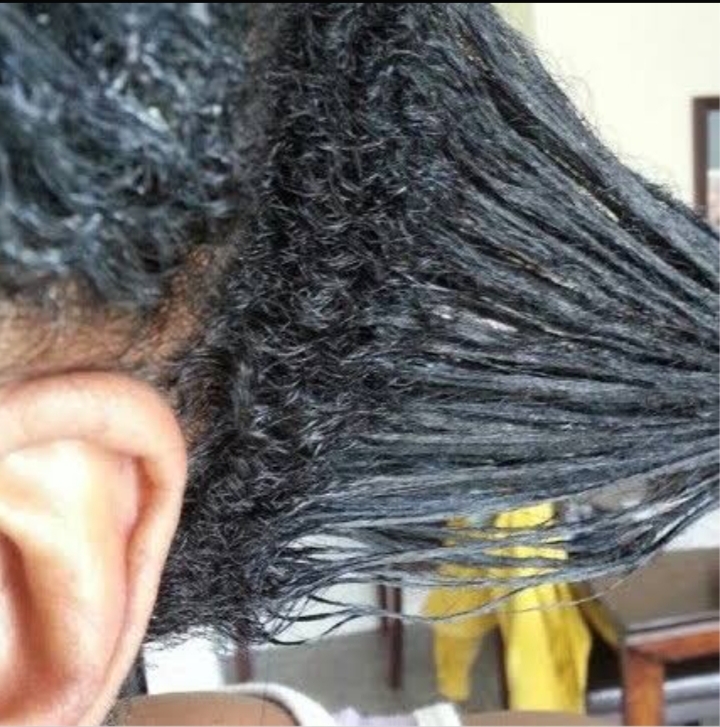
When transitioning from chemically relaxed hair to natural hair, the line of demarcation is where the two textures meet. Because natural hair and relaxed hair have different levels of strength and flexibility, this section is especially delicate and more likely to break. Caring for it properly is essential if you want to maintain healthy hair and retain your length throughout the transition.
Keep Your Hair Well Hydrated
Moisture plays a key role in preventing breakage. Use a water-based moisturizer or leave-in conditioner regularly, then apply a natural oil or butter to help seal in hydration. Soft, moisturized hair is more elastic and less likely to snap.
Make Deep Conditioning a Routine
Deep conditioning treatments help strengthen the hair and improve its elasticity. Using one weekly can reinforce the fragile area where your natural and relaxed hair connect, making it better able to withstand daily styling.
Be Gentle During Hair Care
Rough handling can weaken the line of demarcation even further. Whether you’re shampooing, styling, or drying your hair, work gently to avoid unnecessary pulling or tension.
Detangle Slowly and in Sections
Always detangle hair when it’s damp and coated with conditioner or a detangling product. Separate your hair into manageable sections and begin detangling from the ends, gradually working toward the roots. A wide-tooth comb or your fingers can help reduce breakage.
Wear Low-Tension Protective Styles
Protective styles reduce the amount of daily manipulation your hair experiences. Twists, loose braids, buns, and similar styles can help protect the line of demarcation, as long as they aren’t installed too tightly.
Limit Heat Exposure
Frequent use of flat irons, curling wands, and blow dryers can weaken both hair textures, increasing the risk of breakage. If heat styling is necessary, use a heat protectant and keep the temperature as low as possible.
Trim Weak Ends as Needed
Relaxed ends may become thin and damaged as your natural hair grows. Trimming worn or split ends periodically can prevent further damage and help your hair look healthier during the transition.
Protect Your Hair Overnight
Reduce friction while you sleep by wearing a satin or silk bonnet or scarf, or by sleeping on a satin pillowcase. Putting your hair into loose twists or braids before bed can also help prevent tangles and breakage.
Stay Consistent
Transitioning to natural hair is a gradual process that requires patience. Consistently following a healthy hair care routine will help protect the line of demarcation and improve your chances of retaining length.
Conclusion
The line of demarcation is the most fragile part of transitioning hair, but careful maintenance can greatly reduce breakage. By keeping your hair moisturized, deep conditioning regularly, minimizing manipulation, and using protective styles, you can support healthy growth and successfully transition while preserving as much length as possible.