


Introduction
The harmful effects of environmental pollution extend beyond the lungs and overall health they can also take a toll on the skin. Every day, the skin comes into contact with pollutants such as vehicle emissions, industrial smoke, cigarette smoke, and microscopic airborne particles. Over time, these contaminants can damage the skin’s natural protective barrier and contribute to a variety of skin problems, including premature aging. Understanding how pollution affects the skin and taking preventive measures can help keep it healthy and resilient.
How Pollution Affects the Skin
- Weakens the Skin’s Protective Barrier
The outer layer of the skin serves as a shield against harmful environmental substances. Continuous exposure to pollution can damage this barrier, making the skin more vulnerable to irritation, dryness, and sensitivity.
- Promotes Oxidative Stress
Pollutants encourage the formation of free radicals, which are unstable molecules that damage healthy skin cells. This process can break down collagen and elastin, reducing the skin’s firmness and elasticity and contributing to the development of wrinkles and fine lines.
- Causes Skin Inflammation
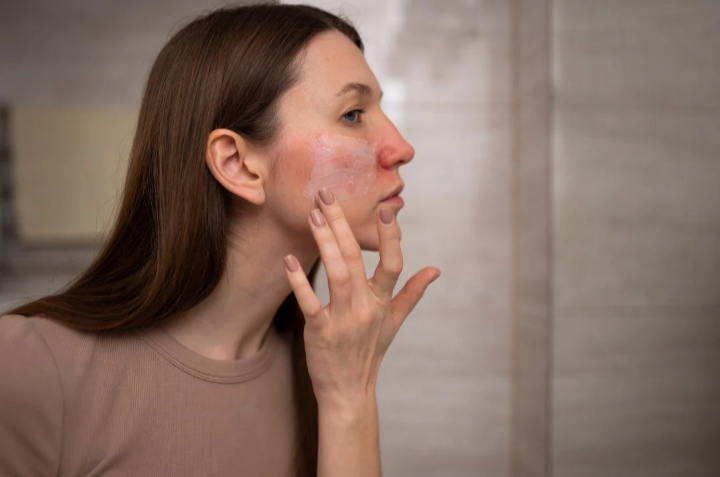
Exposure to polluted air may trigger inflammation, resulting in redness, irritation, and discomfort. Individuals with skin conditions such as eczema, acne, or rosacea may experience worsening symptoms when exposed to high levels of pollution.
- Leads to Uneven Skin Pigmentation
Long-term exposure to environmental pollutants can stimulate excess melanin production, increasing the risk of dark spots and uneven skin tone. These effects may become more noticeable when combined with prolonged sun exposure.
- Increases the Risk of Clogged Pores
Fine particles from polluted air can settle on the skin and combine with sweat, oil, and dead skin cells. This buildup may block pores, leading to blackheads, whiteheads, and acne breakouts.
How to Protect Your Skin
Cleanse Your Skin Properly
Wash your face morning and evening with a mild cleanser to remove dirt, excess oil, and pollutants that collect on the skin throughout the day. Gentle cleansing helps maintain the skin’s natural balance while reducing the buildup of harmful particles.
Use Antioxidant-Rich Skincare Products
Skincare products containing ingredients such as vitamin C, vitamin E, niacinamide, and green tea extract can help protect the skin by neutralizing free radicals and reducing environmental damage.
Keep the Skin Moisturized
Applying a moisturizer regularly helps strengthen the skin’s protective barrier, prevents moisture loss, and improves the skin’s ability to defend itself against environmental stressors.
Apply Sunscreen Daily
Daily use of a broad-spectrum sunscreen protects the skin from harmful ultraviolet (UV) rays, which can worsen the damaging effects of pollution. Applying sunscreen consistently is an essential part of maintaining healthy skin.
Maintain Healthy Habits
A nutritious diet rich in fruits, vegetables, and healthy fats supports skin repair and overall health. Drinking adequate water, getting enough sleep, exercising regularly, and avoiding smoking also help keep the skin in good condition.
Reduce Exposure to Pollution
Although avoiding pollution completely is difficult, limiting time spent in heavily polluted areas whenever possible can reduce its effects. Cleansing the skin after outdoor activities also helps remove harmful particles before they cause further damage.
Conclusion
Environmental pollution can affect the skin in several ways, including weakening its protective barrier, increasing oxidative stress, triggering inflammation, causing uneven pigmentation, and clogging pores. While complete avoidance of pollution is not always possible, adopting a consistent skincare routine, using antioxidant-rich products, wearing sunscreen every day, and maintaining a healthy lifestyle can significantly reduce its impact. These simple yet effective habits can help preserve healthy, radiant, and youthful-looking skin over time.