


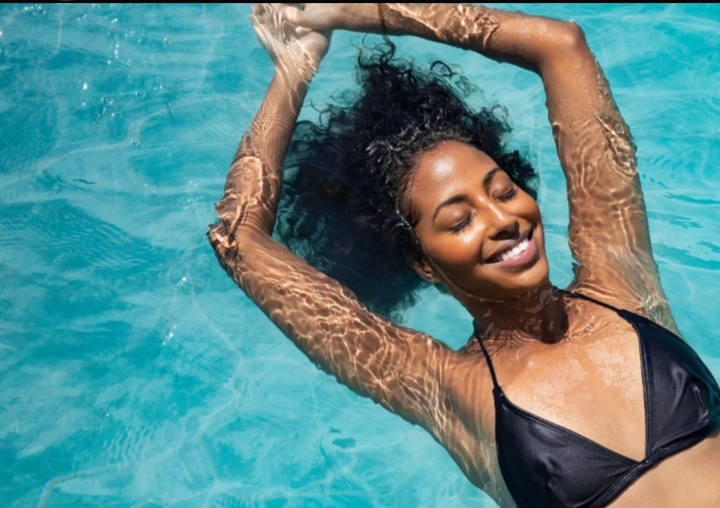
Swimming is an enjoyable way to exercise, relax, and spend time outdoors, but regular contact with pool chemicals and seawater can affect the health of your hair. Chlorine and salt can remove moisture, weaken strands, and leave hair feeling dry, rough, and difficult to style.
With a proper hair care routine before and after swimming, you can reduce damage and keep your hair healthy while enjoying your time in the water.
The Effects of Chlorine and Salt on Hair
How Chlorine Affects Hair
Chlorine helps keep swimming pools clean, but it can also remove the natural oils that protect your hair. When these oils are stripped away, hair may become:
Dry and brittle.
More likely to break.
Frizzy and difficult to control.
Dull or faded, especially if it has been colored.
People with curly, chemically treated, or naturally dry hair may notice the effects of chlorine more quickly because their hair requires more moisture.
How Salt Water Affects Hair
Ocean water contains salt and minerals that can pull moisture from the hair. After swimming in the sea, hair can become stiff, tangled, and less smooth.
Frequent exposure to salt water may contribute to:
Increased dryness.
Rough texture.
More tangles.
Weakened ends and split ends.
Preparing Your Hair Before Swimming
A few protective steps before entering the water can help reduce the effects of chlorine and salt.
Rinse Your Hair Before Getting In
Wet your hair with fresh water before swimming. Since already-wet hair absorbs less water, this helps limit how much chlorine or salt your strands take in.
Add Moisture and Protection
Apply a leave-in conditioner, protective spray, or a small amount of hair oil before swimming. These products help create a protective barrier between your hair and the water.
Ingredients such as coconut oil, argan oil, and moisturizing creams can help maintain hydration.
Use a Swim Cap
A swimming cap can reduce direct exposure to pool chemicals and seawater. Although it may not completely prevent water from reaching your hair, it provides an extra layer of protection and helps reduce friction.
Caring for Your Hair After Swimming
Post-swim treatment is just as important as preparation.
Wash Away Chlorine and Salt
Rinse your hair with clean water immediately after swimming to remove leftover chemicals and salt before they cause more dryness.
Choose a Mild Shampoo
Use a gentle shampoo that cleans the hair without removing too much moisture. If you swim regularly in pools, a chlorine-removing shampoo can help eliminate buildup.
Avoid washing too harshly, as excessive cleansing can make hair even drier.
Restore Moisture With Conditioner
Condition your hair after every swim to replace lost moisture. Adding a deep conditioning treatment once a week can help strengthen and repair hair exposed to frequent swimming.
Look for moisturizing ingredients such as:
Shea butter.
Aloe vera.
Natural oils.
Keratin.
Glycerin.
Hair Protection Tips Based on Hair Type
For Curly Hair
Curly hair often needs extra hydration because it can become dry easily. Use moisturizing products, leave-in conditioners, and gentle cleansing methods to maintain healthy curls.
For Color-Treated Hair
Chlorine can affect dyed hair by causing fading and dryness. Use products made for colored hair and take extra care to rinse and condition after swimming.
For Natural Hair
Moisturizing regularly, using protective hairstyles, and deep conditioning can help prevent dryness and breakage caused by water exposure.
Swimming Hair Mistakes to Avoid
To keep your hair in good condition, avoid:
Entering the pool or ocean with dry, untreated hair.
Leaving chlorine or salt water on your hair for long periods.
Using too much heat styling after swimming.
Skipping conditioning treatments.
Roughly brushing tangled wet hair.
Final Thoughts
Swimming and healthy hair can go together with the right care routine. Preparing your hair before entering the water, removing chlorine and salt afterward, and maintaining proper moisture levels can help prevent long-term damage.
A few simple habits such as rinsing, protecting, and conditioning regularly can help keep your hair smooth, strong, and healthy while you enjoy every swim.