


Introduction
An itchy or flaky scalp does not always mean you have dandruff. Sometimes, these symptoms can be caused by a fungal infection known as scalp ringworm, or tinea capitis.
Despite its name, ringworm is not caused by a worm. It is a fungal infection that can affect the scalp and hair. It can spread through close contact with an infected person or animal, as well as through shared items such as combs, towels, hats and hairbrushes.
Recognizing the signs early is important because scalp ringworm usually requires different treatment from ordinary dandruff.
Signs of a Possible Fungal Infection
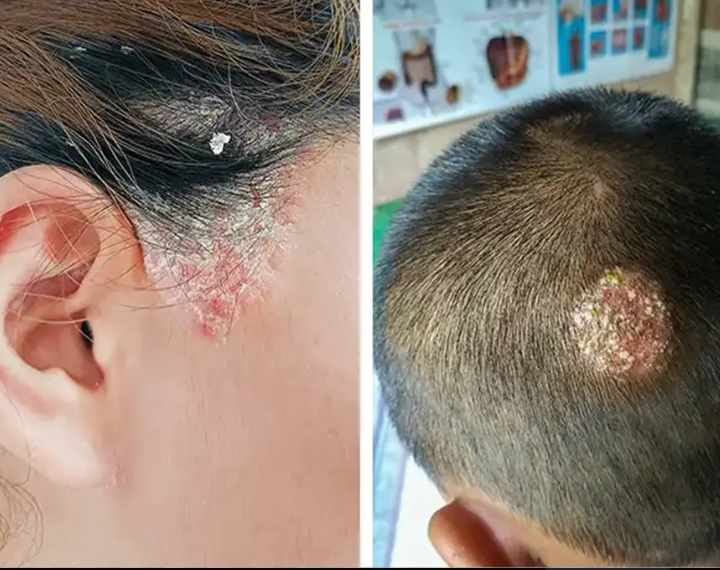
Scalp fungal infections can appear differently from one person to another. Common symptoms include:
Persistent Itching
A fungal infection may cause persistent or intense itching. Redness, irritation and scaling may occur at the same time.
However, itching by itself does not necessarily mean that you have a fungal infection because many other scalp conditions can cause similar symptoms.
Scaling and Flaking
The affected areas may become dry, flaky or scaly. This can make a fungal infection look similar to ordinary dandruff.
Patchy Hair Loss
One important warning sign is hair loss in specific areas. Hair may become brittle, break close to the scalp or fall out in patches.
Redness and Inflammation
Some infections can cause red, irritated areas. More serious cases may result in swollen or pus-filled bumps.
Tenderness and Swelling
As an infection progresses, parts of the scalp may become painful, swollen or sensitive to touch.
An Itchy Scalp Is Not Always Fungal
Not every itchy or flaky scalp is caused by fungus.
Other possible causes include:
Dandruff
Seborrheic dermatitis
Psoriasis
Eczema
Allergic reactions to hair products
Head lice
Other scalp conditions
Because several scalp problems can look similar, persistent or unusual symptoms may require professional evaluation.
What OTC Products Can Help?
OTC means over the counter, referring to products that can be purchased without a prescription.
Medicated dandruff shampoos can help manage some forms of dandruff and seborrheic dermatitis. Depending on the product, active ingredients may include ketoconazole, selenium sulfide, zinc pyrithione, salicylic acid, sulfur or coal tar.
However, suspected scalp ringworm is different.
OTC antifungal creams should not be relied upon to cure scalp ringworm. The infection can affect the hair and follicles, meaning treatment that only reaches the surface of the skin may not be sufficient.
Can Antifungal Shampoo Treat Scalp Ringworm?
A healthcare professional may recommend an antifungal shampoo as part of treatment.
However, shampoo alone is generally not enough to eliminate an established scalp ringworm infection. It may be used alongside prescription medication to help reduce the amount of fungus and limit its spread.
If you suspect scalp ringworm, it is better to seek medical advice rather than repeatedly trying different OTC products.
Prescription Treatment May Be Required
Scalp ringworm often requires oral antifungal medication. Depending on the diagnosis, a healthcare professional may prescribe medicines such as terbinafine or griseofulvin.
The appropriate medicine and treatment duration depend on factors such as the person’s age, health and the type of fungus involved.
These medications should be used under appropriate medical supervision.
Be Careful With Steroid Creams
Some creams can reduce itching and inflammation, but steroid-containing products may make fungal infections worse or make them harder to recognize.
If you suspect a fungal infection, avoid treating it with steroid creams unless a healthcare professional has recommended them.
How Scalp Fungal Infections Spread
Scalp ringworm can spread through direct contact or contaminated objects.
Potential sources include:
Combs and brushes
Towels
Hats and caps
Bedding
Clothing
Hair accessories
Close head-to-head contact
Pets can also carry fungal infections and potentially pass them to people.
How to Reduce the Risk of Spreading It
If you suspect a fungal infection, take steps to reduce transmission.
Avoid sharing combs, brushes, towels, hats and other personal items. Keep frequently used items clean and avoid close head-to-head contact until appropriate treatment has started.
If another person in the household develops similar symptoms, they may also need to be evaluated.
Good hygiene can reduce the risk of spreading the infection, but it does not replace medical treatment.
When Should You See a Doctor?
Seek professional medical advice if you notice:
Patchy hair loss
Expanding bald spots
Severe itching
Painful or swollen areas
Pus-filled bumps
Significant inflammation
Persistent scaling
Symptoms that are getting worse
Symptoms spreading to other areas
Children are particularly susceptible to scalp ringworm, although adults can also develop the infection.
What If It Is Dandruff?
If you have mild itching and flaking without hair loss, swelling or severe inflammation, dandruff or seborrheic dermatitis may be more likely.
OTC medicated shampoos can help control these conditions. Follow the instructions on the product and discontinue use if it causes significant irritation.
If symptoms do not improve or become more severe, seek professional advice.
Conclusion
Fungal infections of the scalp can initially look like ordinary dandruff, making them difficult to identify. Persistent itching, scaling, inflammation and especially patchy hair loss are signs that deserve attention.
While certain fungal infections affecting the skin can be treated with OTC antifungal products, scalp ringworm generally requires prescription treatment.
Getting the correct diagnosis early can help prevent worsening infection, reduce the risk of hair loss and limit transmission to other people.