


Scalp massage has become a popular hair-care practice, with many people believing that regularly massaging the scalp can stimulate hair growth, improve circulation, and make thinning hair appear fuller. But does it actually work, or is it simply another beauty trend?
The truth lies somewhere in between. Scalp massage may offer benefits for the scalp and overall well-being, but there is not enough scientific evidence to say that it can significantly regrow lost hair. It can be a useful addition to a hair-care routine, but it should not be considered a standalone treatment for hair loss.
How Does Scalp Massage Work?
Scalp massage involves gently moving the scalp with your fingertips, usually using slow, circular motions. This can temporarily increase blood flow around the scalp and may help remove some oil, dead skin, and product residue.
Another potential benefit is relaxation. Stress can contribute to temporary hair shedding in some people, so activities that promote relaxation may indirectly support overall hair health.
However, keeping the scalp healthy is not the same thing as stimulating new hair growth.
Can Massaging Your Scalp Make Hair Grow?
There is some early evidence that regular scalp massage may influence hair thickness. A small study found that participants who received consistent scalp massages experienced an increase in hair thickness over a period of several months.
However, the research is still limited. There have not been enough large, high-quality studies to establish scalp massage as a dependable treatment for hair loss.
Hair growth is influenced by many factors, including genetics, hormones, age, nutrition, medications, health conditions, and inflammation. Simply increasing blood flow through massage cannot necessarily overcome problems affecting the hair follicles.
Where Does the Circulation Theory Come From?
One of the most common claims about scalp massage is that it improves blood circulation to the hair follicles. Massage can indeed affect local blood flow, but that does not mean increased circulation automatically results in hair growth.
Hair follicles are complicated biological structures. For example, hormonal changes can cause follicles to gradually become smaller in people with certain types of hair loss. Massage does not directly address those hormonal or genetic processes.
This is why people experiencing noticeable or progressive hair loss should not depend solely on scalp massage.
So, Is Scalp Massage a Waste of Time?
Not at all.
If you enjoy scalp massage, there is little reason to stop. It can be relaxing, make your hair-washing routine more enjoyable, and help you pay closer attention to the condition of your scalp.
The concern is when massage is treated as a replacement for treatments that have stronger scientific support.
Someone experiencing ongoing hair loss could potentially lose valuable time by relying exclusively on massage instead of investigating the underlying cause.
A better way to think about scalp massage is as a supportive self-care practice rather than a guaranteed hair-growth treatment.
How Should You Massage Your Scalp?
If you decide to try it, gentle is better.
Use your fingertips instead of your fingernails and move them across the scalp using small, circular motions. You can work from the front of your head toward the sides and back.
There is no convincing evidence that harder or longer massage produces better results, so there is no need to aggressively rub the scalp.
A few minutes can be enough for a relaxing routine.
If your scalp is sore, irritated, inflamed, or infected, however, massage could make the problem worse. In such cases, it is better to identify and treat the underlying issue.
Do Hair Oils Make Massage More Effective?
Many people combine scalp massage with oils, including coconut oil, rosemary oil, and other plant-based products. However, it is important to separate the potential effects of the oil from those of the massage itself.
Some natural ingredients have been studied for their possible effects on hair, but the quality of evidence differs significantly between products. Natural products can also cause irritation or allergic reactions in some people.
Therefore, using an oil does not automatically make scalp massage more effective.
What If You’re Already Losing Hair?
Persistent hair thinning or shedding deserves more attention than simply adding massage to your routine.
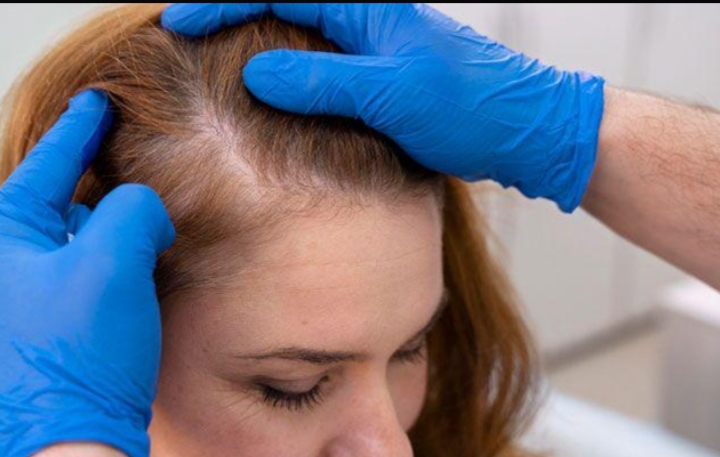
Changes such as a widening hair part, receding hairline, bald patches, or unusually heavy shedding can have many different causes. Identifying the cause is important because the appropriate treatment depends on the type of hair loss involved.
A dermatologist or qualified healthcare professional can help determine what is causing the problem and whether a proven treatment may be appropriate.
Final Verdict
Scalp massage is not completely useless, but it is not a miracle solution for hair loss either.
It may help with relaxation and scalp comfort, and preliminary research suggests that regular massage could potentially have some effect on hair thickness. However, the current evidence is not strong enough to recommend scalp massage as a reliable treatment for significant hair loss.
If you enjoy massaging your scalp, make it part of your routine but keep your expectations realistic.
Rather than focusing only on how to stimulate hair growth, pay attention to why the hair is thinning or shedding in the first place. Understanding the underlying cause is usually far more important than finding another technique to add to your hair-care routine.