


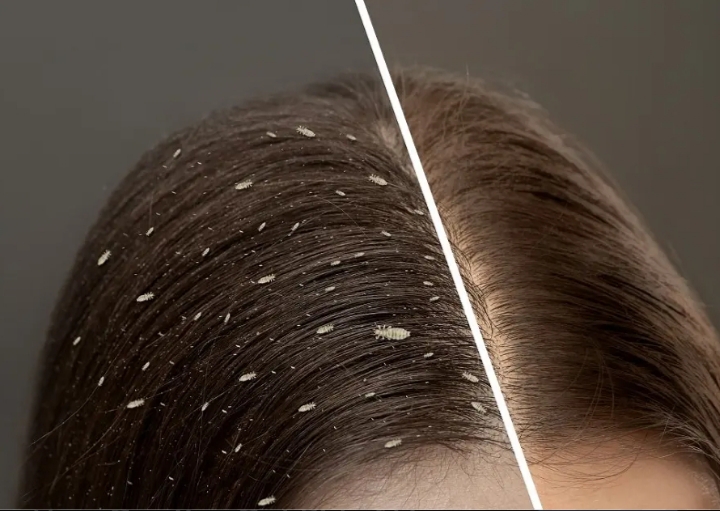
Discovering head lice can be upsetting, but shaving or cutting your hair is rarely necessary. With the right treatment and consistent care, you can successfully remove lice and their eggs while keeping your hair the same length. The process requires patience, but most infestations can be cleared without drastic measures.
What Are Head Lice?
Head lice are tiny, wingless insects that live on the scalp and survive by feeding on small amounts of blood. They spread mainly through direct head-to-head contact, making them common among children, although people of any age can get them. Having lice is not related to poor hygiene or unclean hair.
Common symptoms include:
- Frequent scalp itching
- A sensation that something is moving through the hair
- Small eggs (nits) attached firmly to the hair shaft
- Tiny lice crawling near the scalp
- Skin irritation caused by scratching
Is Hair Cutting Necessary?
No. Removing your hair is not an effective or required treatment for head lice. The combination of appropriate medication and careful combing is usually enough to eliminate both live lice and their eggs.
Steps to Remove Head Lice
Apply a Lice Treatment
Choose a clinically approved over-the-counter or prescription treatment and follow the instructions carefully. Some products kill only live lice, so a second application may be needed several days later to destroy newly hatched insects.
Use a Fine-Toothed Lice Comb
After treatment, comb the hair section by section using a lice comb. Start close to the scalp and work toward the ends of the hair. Clean the comb after each stroke and repeat the process every few days until you can no longer find lice or nits.
Treat Everyone Who Is Affected
If multiple members of your household have head lice, treat them during the same period. Treating everyone together helps prevent lice from spreading back and forth.
Wash Personal Belongings
Clean recently used clothing, bedding, towels, hats, and pillowcases using hot water, then dry them on a high heat setting if the care label allows. Soak combs, brushes, and hair accessories in hot water for several minutes. Items that cannot be washed can be sealed in a plastic bag for about two weeks.
Continue Checking the Hair
Examine the scalp regularly after treatment. Finding and removing any remaining lice or eggs early reduces the risk of another infestation.
Are Natural Remedies Effective?
Many people try natural options such as coconut oil, olive oil, or tea tree oil. While these remedies are popular, research has not consistently shown that they eliminate head lice. If you choose to use them, they should complement—not replace—an approved lice treatment and regular combing.
Mistakes to Avoid
To improve your chances of success, avoid these common errors:
- Skipping the follow-up treatment if one is recommended
- Neglecting to remove nits after using lice medication
- Sharing combs, hats, or hair accessories during treatment
- Spraying insecticides around the home, which are not recommended for head lice
- Believing that cutting or shaving the hair is the only solution
Preventing Head Lice
Although head lice cannot always be avoided, you can lower the chances of getting them by:
- Limiting direct head-to-head contact
- Avoiding the sharing of personal hair items
- Checking children’s hair regularly, particularly during school outbreaks
- Treating infestations as soon as they are discovered
Conclusion
Head lice can usually be treated successfully without cutting your hair. By using an appropriate lice treatment, combing the hair thoroughly, cleaning personal belongings, and checking the scalp regularly, you can eliminate lice while preserving your hairstyle. Staying consistent with the treatment plan is the best way to ensure the infestation is completely cleared.