


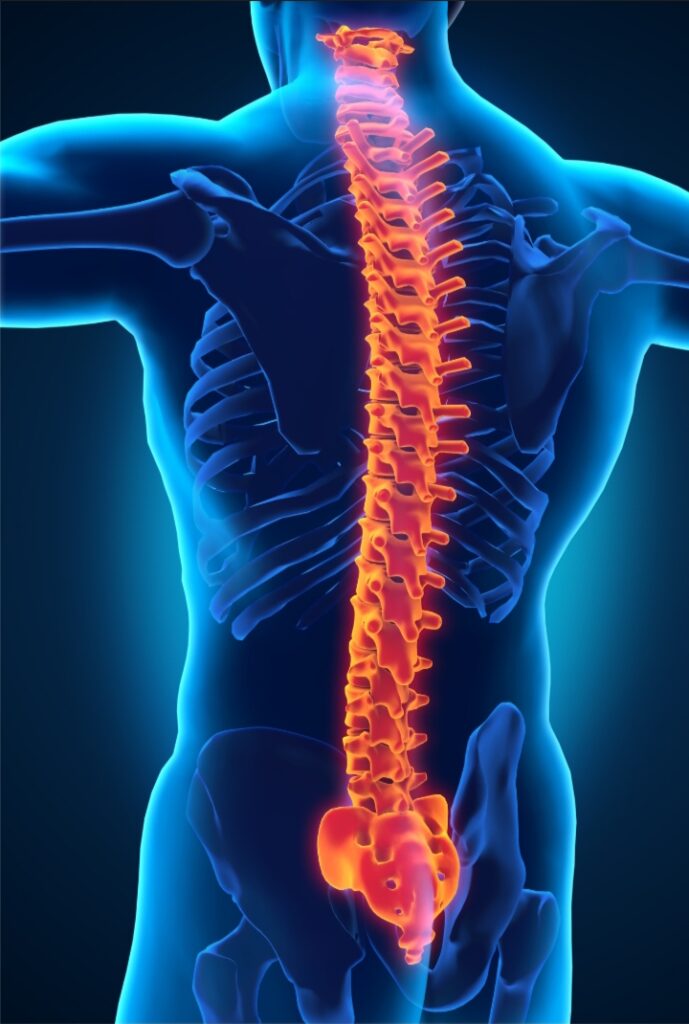
A spinal cord injury (SCI) refers to damage to the spinal cord that interrupts the flow of messages between the brain and the body. Since the spinal cord controls movement, sensation, and several automatic body functions, any injury can result in partial or complete loss of function below the affected area.
Role of the Spinal Cord
The spinal cord is a major nerve pathway that runs from the brain down the spine. It is responsible for:
- Controlling muscle movement
- Transmitting sensations like pain, touch, and temperature
- Managing reflex actions
- Regulating automatic functions such as bladder, bowel, and blood pressure control
Causes of Spinal Cord Injury
SCI can occur suddenly or develop from medical conditions. Common causes include:
- Road accidents
- Falls (especially among older individuals)
- Sports-related injuries
- Acts of violence such as gunshots or stabbings
- Diseases like tumors or infections affecting the spine
Types of Spinal Cord Injury
Complete Injury
- Total loss of movement and sensation below the injury level
- No nerve signals pass through the damaged section
Incomplete Injury
- Some level of movement or feeling remains below the injury site
- Degree of function varies depending on the extent of damage
Injury Levels and Their Effects
The location of the injury on the spinal cord determines its impact:
- Cervical (neck region): May affect arms, legs, and breathing
- Thoracic (upper/mid back): Typically affects the chest and lower body
- Lumbar (lower back): Mainly impacts hips and legs
- Sacral (base of spine): Can affect bladder, bowel, and some leg functions
Common Symptoms
Symptoms vary but may include:
- Paralysis or weakness
- Numbness or reduced sensation
- Tingling feelings
- Breathing difficulties in severe cases
- Loss of bladder or bowel control
- Pain near the injury site
Immediate Complications
Right after injury, patients may experience:
- Spinal shock (temporary loss of reflex activity)
- Swelling around the spinal cord
- Breathing problems in severe cases
- Blood pressure or heart rate instability
Long-Term Effects
Depending on severity, long-term effects may include:
- Partial or total paralysis (paraplegia or quadriplegia)
- Muscle stiffness or spasms
- Pressure sores due to reduced mobility
- Bladder and bowel dysfunction
- Emotional challenges such as anxiety or depression
Treatment and Rehabilitation
While there is no definitive cure for SCI, treatment focuses on stabilization and improving quality of life.
Emergency Care
- Keeping the spine immobilized
- Surgery to relieve pressure or repair damage if needed
- Medications to reduce inflammation and swelling
Rehabilitation
- Physiotherapy to improve strength and mobility
- Occupational therapy for daily living skills
- Use of assistive devices like wheelchairs or braces
- Training for bladder and bowel management
Recovery Outlook
Recovery depends on several factors:
- Severity and type of injury
- Location of damage
- How quickly treatment is received
- Quality of rehabilitation
People with incomplete injuries may recover some function, while complete injuries often result in permanent loss of movement and sensation.
Summary
Spinal cord injury is a serious medical condition that disrupts communication between the brain and body. Early treatment, consistent rehabilitation, and supportive care play a major role in improving outcomes and helping individuals adapt to life after injury.