


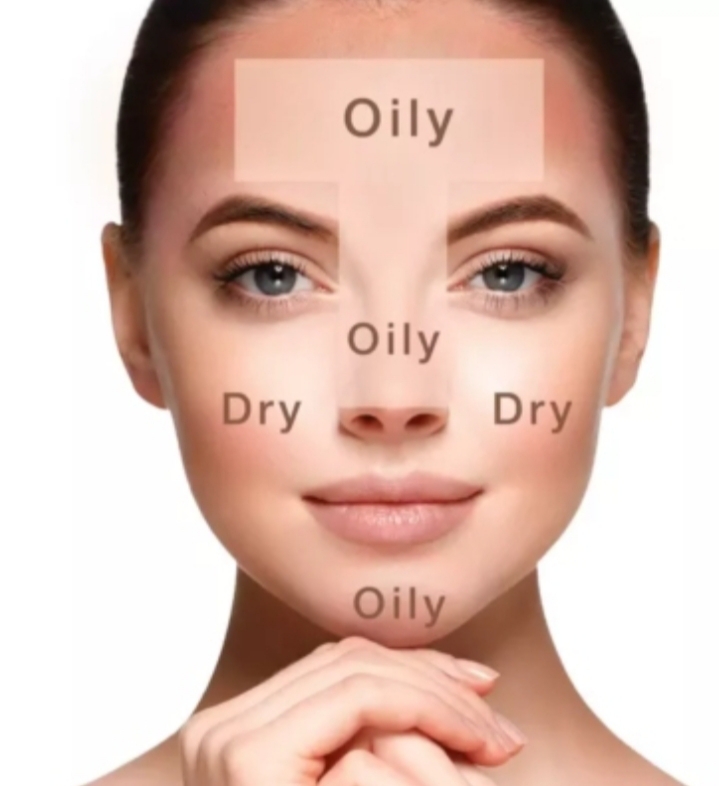
Combination skin can be tricky because it behaves like two different skin types at once. Typically, the T-zone (forehead, nose, and chin) produces excess oil, while the cheeks feel dry or sometimes tight. The key to managing this is balance—controlling shine where needed while maintaining moisture where it’s lacking.
Instead of treating the entire face the same way, it’s more effective to adjust your routine based on different areas of the skin.
Understanding Combination Skin
This skin type occurs when oil production is uneven across the face. The T-zone tends to be more active due to higher sebaceous gland activity, while the cheeks often have a weaker moisture barrier.
In simple terms:
- T-zone = oil control needed
- Cheeks = hydration and barrier support needed
Using one uniform approach can worsen either dryness or oiliness.
Morning Routine: Hydrate and Protect
1. Mild Cleanser
Begin with a gentle cleanser that removes excess oil without stripping moisture from the skin. Avoid harsh cleansers that leave your face feeling tight.
A lightweight cleanser such as CeraVe Foaming Cleanser can help keep oil in check while maintaining the skin barrier.
2. Lightweight Moisturizer
Apply a light moisturizer across the face, focusing extra hydration on the cheeks. The goal is to keep skin comfortable without adding heaviness to oily areas.
Look for ingredients like:
- Hyaluronic acid for hydration
- Ceramides for barrier repair
- Niacinamide for oil regulation
3. Sunscreen
Use a non-greasy, lightweight sunscreen every morning. Gel or fluid-based formulas are usually best for combination skin because they won’t feel heavy on oily areas.
Night Routine: Cleanse and Restore
1. Gentle Cleansing
At night, remove sunscreen, oil, and impurities with a mild cleanser. If your skin feels dry or tight afterward, the cleanser may be too strong.
2. Targeted Treatments
At this stage, you can address different concerns:
- T-zone: niacinamide or salicylic acid for oil and clogged pores
- Cheeks: hydrating serums like hyaluronic acid or panthenol
Products from The Ordinary are often used for simple, focused treatments that target specific skin issues.
3. Moisturizing by Area
Apply moisturizer evenly, but adjust based on skin needs:
- Use a lighter layer on the T-zone
- Apply a richer layer on dry cheeks if necessary
Zone-Based Skincare Approach
Instead of treating your face as one uniform surface, think in zones:
- Oily areas need oil control
- Dry areas need extra hydration
This method helps maintain balance without over-drying or overloading the skin.
Key Ingredients to Look For
Products designed for combination skin often include:
- Niacinamide – helps regulate oil production
- Ceramides – strengthen and repair the skin barrier
- Hyaluronic acid – provides lightweight hydration
- Salicylic acid – helps unclog pores in oily areas
Brands such as La Roche-Posay and Bioderma are commonly recommended for their gentle, dermatologist-developed formulations.
Common Mistakes to Avoid
- Using strong cleansers that strip all areas equally
- Skipping moisturizer because the T-zone feels oily
- Applying heavy creams all over the face
- Over-exfoliating to “fix” oiliness
These habits can disrupt the skin barrier and make imbalance worse.
Optional Weekly Care
Once or twice a week, you can tailor treatments:
- Clay masks on the T-zone to reduce excess oil
- Hydrating masks on dry cheeks to restore moisture
Final Thoughts
Managing combination skin is about targeted balance rather than one-size-fits-all care. By controlling oil in the T-zone and supporting hydration in the cheeks, the skin becomes more stable and comfortable over time. A simple, consistent routine works better than overly complex treatments.