


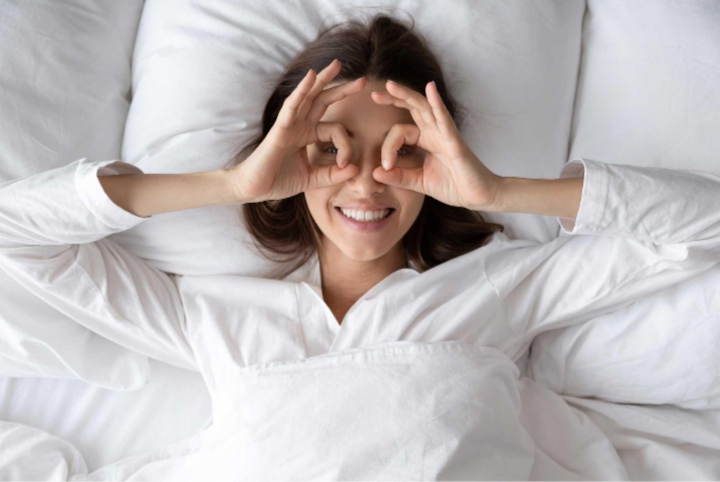
Many people rely on makeup to create a fresh and energized appearance, but even the best beauty products have their limits. If you often look tired despite applying foundation, concealer, and other cosmetics, a lack of quality sleep may be the underlying cause.
Sleep plays a crucial role in maintaining healthy skin, and its effects are often visible on the face. When the body doesn’t get enough rest, signs of fatigue can become difficult to conceal.
The Connection Between Sleep and Skin
While you sleep, your body enters a recovery phase. During this time, skin cells regenerate, collagen production is supported, and daily environmental damage begins to repair itself.
Consistent, quality sleep helps the skin appear:
More radiant
Better hydrated
Smoother
More balanced
Without sufficient rest, these natural processes may be disrupted, affecting the skin’s overall appearance.
Dark Circles and Tired Eyes
One of the most noticeable effects of poor sleep is the development of dark circles under the eyes. Sleep deprivation can make the delicate skin around the eyes appear darker and more hollow.
Although concealer can reduce their visibility, it often cannot completely erase the tired appearance associated with inadequate sleep.
Puffiness Can Be Difficult to Conceal
Lack of sleep may contribute to fluid buildup around the eyes and face, leading to puffiness. This swelling can alter facial features in ways that makeup alone cannot fully correct.
As a result, even a carefully applied makeup routine may not create the refreshed look you’re aiming for.
Dull Complexion and Reduced Glow
A good night’s sleep often contributes to a healthy, natural glow. When sleep is lacking, the skin can appear dull, tired, and less vibrant.
While makeup products can temporarily brighten the complexion, they cannot fully replace the refreshed appearance that comes from proper rest.
Fine Lines May Appear More Noticeable
Sleep deprivation can affect skin hydration levels, making the skin appear drier and less smooth. This can cause fine lines and uneven texture to become more visible.
In some cases, makeup may settle into these areas, drawing attention to them instead of concealing them.
Sleep, Stress, and Skin Problems
Insufficient sleep can increase stress hormone levels in the body. Elevated stress levels may contribute to various skin concerns, including:
Breakouts
Excess oil production
Redness
Irritation
These issues can make it more challenging to achieve a flawless makeup finish.
Why Healthy Skin Makes Makeup Look Better
Makeup generally performs best on skin that is well-rested and properly cared for. Healthy skin provides a smoother surface, allowing products to blend more evenly and appear more natural.
When the skin is affected by fatigue, makeup can enhance appearance but may not fully mask the underlying signs of exhaustion.
Habits That Support Better Sleep and Skin
Improving sleep quality can have a positive impact on both skin health and overall appearance. Helpful habits include:
Getting 7 to 9 hours of sleep regularly
Following a consistent bedtime routine
Limiting screen exposure before bed
Staying hydrated
Managing daily stress
Creating a comfortable sleep environment
These practices can contribute to healthier, more refreshed-looking skin over time.
Conclusion
Makeup can help minimize signs of fatigue, but it cannot completely replace the benefits of quality sleep. Dark circles, puffiness, dullness, and skin texture changes often reflect a lack of adequate rest.
For a naturally refreshed appearance, focusing on healthy sleep habits is just as important as maintaining a good skincare or makeup routine. When the body is well-rested, the skin often looks brighter, healthier, and more vibrant making it easier for makeup to enhance your natural beauty.