


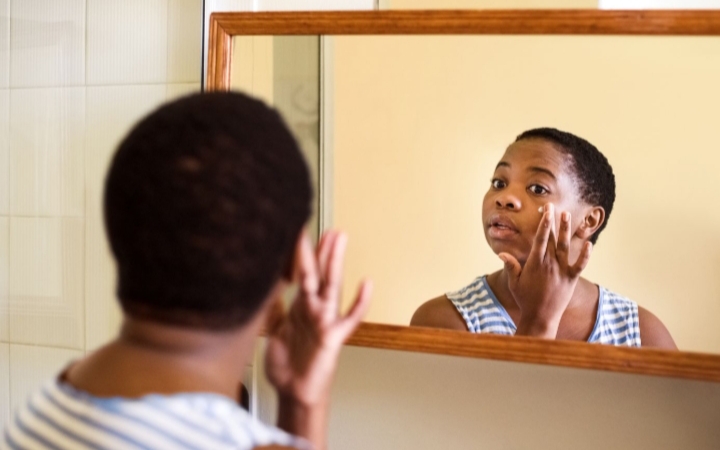
Bleaching creams are often used to lighten dark spots or even out skin tone, but when they are used too much or contain strong chemicals, they can damage the skin. This may lead to sensitivity, irritation, dryness, and a weakened skin barrier.
After stopping such products, the skin needs gentle care and time to heal rather than more harsh treatments.
How Bleaching Creams Can Affect the Skin
Some skin-lightening products contain ingredients like hydroquinone, steroids, or other strong chemicals. Over time, they can harm the skin’s natural protection, leading to:
- Redness and irritation
- Dry or flaky skin
- Burning or stinging sensations
- Increased sensitivity to products
- Uneven skin texture
- Sun sensitivity
In many cases, the skin becomes thinner and more reactive.
Signs Your Skin Is Damaged or Sensitive
You may notice:
- Itching or burning when applying skincare products
- Constant redness
- Dry or rough patches
- Tight feeling on the face
- Breakouts after using mild products
- Skin reacting easily to sunlight or creams
If these symptoms persist, it may be important to seek medical advice.
How to Care for Sensitive Skin After Bleaching
1. Stop Using Harsh Lightening Products
The first step is to discontinue any strong bleaching or skin-lightening creams that irritate the skin.
Avoid products with:
- Strong bleaching agents
- Harsh exfoliating chemicals
- High alcohol content
- Unregulated or unsafe ingredients
Allowing the skin to rest is essential for recovery.
2. Switch to a Gentle Cleanser
Use mild, fragrance-free cleansers that clean the skin without stripping its natural oils.
Choose products designed for:
- Sensitive skin
- Dry or irritated skin
- Barrier repair
Avoid washing the face too frequently, as this can worsen dryness.
3. Focus on Hydration and Moisturizing
Moisturizers help rebuild the skin barrier and reduce discomfort.
Look for ingredients like:
- Ceramides
- Hyaluronic acid
- Glycerin
- Shea butter
- Colloidal oatmeal
Apply regularly to keep the skin soft and protected.
4. Protect Skin From Sun Exposure
After bleaching, the skin becomes more sensitive to sunlight.
Use sunscreen daily:
- SPF 30 or higher
- Suitable for sensitive skin
- Reapply when outdoors for long periods
Sun protection helps prevent further damage and dark spots.
5. Avoid Strong Exfoliation
Scrubs, acids, and aggressive exfoliating products can worsen irritation.
Instead:
- Reduce exfoliation frequency
- Avoid harsh scrubbing
- Let the skin heal naturally
6. Use Soothing Ingredients
Gentle ingredients can help calm the skin, such as:
- Aloe vera
- Niacinamide
- Panthenol
- Chamomile
- Centella asiatica
Introduce new products slowly to avoid reactions.
7. Maintain Healthy Lifestyle Habits
Skin healing is also supported by daily habits:
- Drink enough water
- Eat balanced meals
- Get enough rest
- Reduce stress
- Avoid smoking or harsh chemicals
Ingredients to Avoid During Recovery
While the skin is healing, avoid:
- Strong fragrances
- High-strength acids
- Retinoids
- Alcohol-based products
- Mercury-containing creams
- Harsh bleaching agents
These can slow down recovery or worsen irritation.
Simple Routine for Healing Sensitive Skin
Morning
- Gentle cleanser
- Moisturizer
- Sunscreen
Night
- Gentle cleanser
- Hydrating moisturizer
- Optional barrier-repair cream
Keeping the routine simple helps the skin recover faster.
When to See a Dermatologist
Seek medical help if you notice:
- Severe or ongoing irritation
- Painful burning sensations
- Swelling or infection
- Worsening dark patches
- Extreme dryness or peeling
A dermatologist can recommend safe treatments tailored to your skin condition.
Final Thoughts
Skin that becomes sensitive after using bleaching creams needs gentle and consistent care. The main focus should be repairing the skin barrier rather than trying to lighten it further.
With mild products, proper hydration, sun protection, and patience, the skin can gradually recover and become healthier over time.