


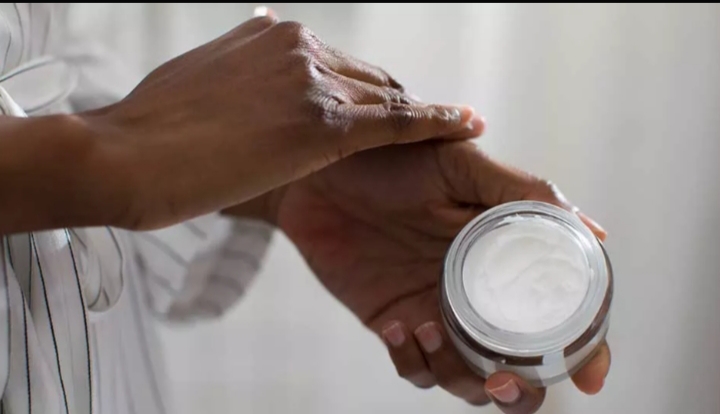
Eczema, medically referred to as eczema or atopic dermatitis, is a long-term skin condition marked by dryness, redness, itching, and irritation. While it cannot be permanently cured, the right skincare routine can greatly reduce symptoms and help prevent flare-ups. Effective management focuses mainly on strengthening the skin barrier and avoiding irritants.
How Eczema Affects the Skin
In eczema-prone skin, the protective barrier is weakened. This makes it easier for moisture to escape and for irritants to enter, leading to dryness, inflammation, and itching. As a result, the skin becomes more reactive to environmental triggers such as soaps, heat, dust, and allergens.
Because of this sensitivity, skincare must be simple, soothing, and protective.
Cleansing Gently Without Stripping the Skin
Proper cleansing is important, but harsh products can worsen irritation. A gentle routine should include:
- Mild, fragrance-free cleansers
- Lukewarm water instead of hot water
- Short bathing times to prevent dryness
- Light patting of the skin instead of rubbing
This helps preserve natural oils that protect the skin barrier.
Moisturizing as the Foundation of Care
Moisturizing is the most essential step in eczema care. Well-hydrated skin is less prone to cracking, itching, and inflammation.
Good moisturizers should:
- Be thick and rich, such as creams or ointments
- Be free from fragrance and irritating additives
- Contain barrier-repairing ingredients like ceramides or glycerin
- Be applied immediately after bathing to lock in moisture
Frequent application, especially twice daily or more, helps maintain skin comfort.
Ingredients That Help Soothe the Skin
Some ingredients are particularly helpful for calming irritated skin:
- Colloidal oatmeal: Reduces itching and soothes irritation
- Aloe vera: Provides a cooling and calming effect
- Ceramides: Help rebuild and strengthen the skin barrier
- Shea butter: Offers deep moisturization and protection
Even though these are generally gentle, patch testing is still important for sensitive skin.
Things to Avoid
Certain products and materials can trigger or worsen eczema symptoms, including:
- Fragranced skincare and perfumes
- Alcohol-heavy products
- Rough scrubs or strong exfoliants
- Artificial dyes and harsh preservatives
- Itchy fabrics like wool directly on skin
Avoiding these triggers helps reduce flare-ups significantly.
Controlling Itching Safely
Itching can be intense, but scratching often damages the skin further. To manage it safely:
- Apply moisturizers regularly
- Use cool compresses on irritated areas
- Keep fingernails short to prevent skin damage
- Wear soft, breathable clothing such as cotton
These steps help reduce discomfort without worsening inflammation.
Supporting Skin Through Lifestyle
Healthy skincare habits work best when combined with supportive lifestyle choices:
- Drinking enough water to maintain hydration
- Managing stress, which can trigger flare-ups
- Eating a balanced, nutrient-rich diet
- Avoiding extreme temperatures when possible
These factors can help improve overall skin resilience.
When Professional Help Is Needed
Mild eczema can often be controlled at home, but medical advice is necessary if:
- Flare-ups occur frequently or become severe
- There are signs of infection such as crusting or oozing
- Itching interferes with sleep or daily life
- Symptoms do not improve despite consistent care
Dermatologists may recommend prescription treatments when needed.
Final Thoughts
Caring for eczema requires patience and consistency. A gentle skincare routine focused on hydration and protection can significantly improve comfort and reduce symptoms.
Although eczema is a chronic condition, careful daily management can help keep the skin calmer, healthier, and less prone to irritation over time.