


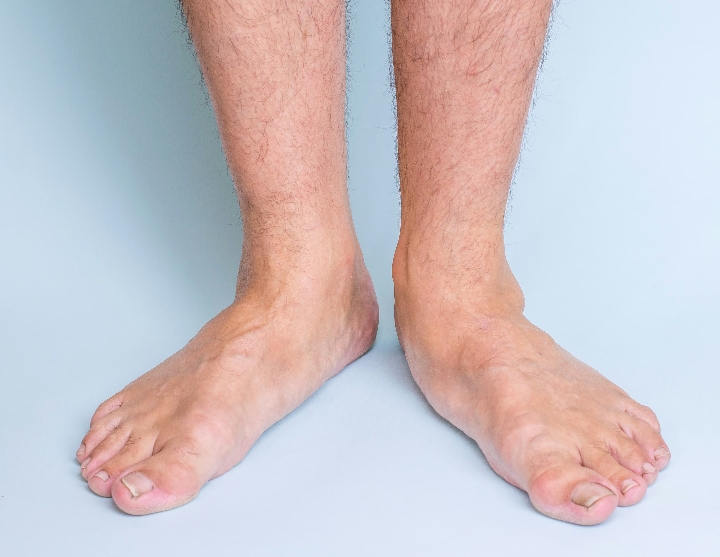
Flat feet, known medically as Pes planus, are very common and often harmless. Many people either develop low arches naturally or experience gradual flattening over time. In most cases, this is simply a normal variation in foot structure rather than a medical issue.
Normal flat feet
A large number of people with flat feet experience no problems at all. They can walk, run, and carry out daily activities without discomfort. In such cases, flat feet do not require treatment because they do not affect function.
When flat feet may need attention
Concern usually arises only when symptoms appear, such as:
- Pain in the heel, arch, or inner side of the ankle
- Fatigue or soreness after standing or walking for long periods
- Discomfort in the knees, hips, or lower back related to foot posture
- Swelling along the inner ankle area
- Difficulty balancing or standing on tiptoe
Pain or functional limitation is the main reason to investigate further.
Children vs adults
In children, flat feet are typically normal because the arch develops gradually with age. Most cases improve naturally over time.
In adults, however, new or worsening flat feet can be more significant, especially if they were previously symptom-free.
Flexible and rigid flat feet
- Flexible flat feet: The arch appears when not standing or when on tiptoe. This type is usually harmless unless it causes discomfort.
- Rigid flat feet: The arch is absent even when not bearing weight. This form is more likely to be linked with underlying issues and may require medical evaluation.
Possible underlying causes
In some cases, flat feet may be associated with:
- Weak or damaged tendons in the foot
- Previous injuries
- Arthritis or joint problems
- Structural or neurological conditions
Painful adult flat feet can sometimes be related to tendon dysfunction that may worsen if untreated.
When to seek medical advice
It is advisable to consult a healthcare professional if:
- Pain persists or increases over time
- One foot becomes noticeably flatter than the other
- Walking becomes difficult or uncomfortable
- Shoes wear unevenly in a short time
- There is visible swelling or changes in foot shape
Early assessment can help prevent progression in conditions that require treatment.
Treatment options if necessary
If flat feet are problematic, management may include:
- Supportive shoes or orthotic inserts
- Exercises to strengthen foot and calf muscles
- Physical therapy
- Weight management when relevant
- Surgery in rare and severe cases
Most people improve with simple, non-invasive measures.
Key takeaway
Flat feet are usually not a cause for concern. What matters most is not the shape of the arch, but whether it leads to pain, fatigue, or reduced mobility. If there are no symptoms, treatment is rarely needed.