


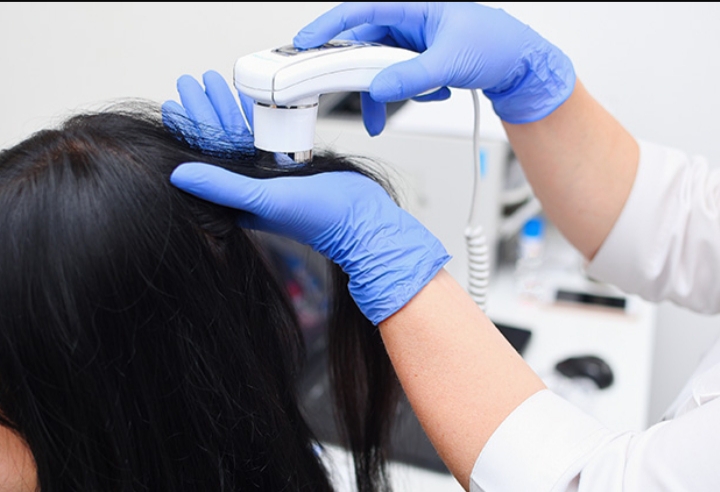
Hair and scalp issues can arise for many reasons, from everyday styling damage to underlying medical conditions. Choosing the right specialist is an important step toward finding an effective solution. Although dermatologists and trichologists both deal with hair concerns, they have different qualifications and provide different types of care.
The Role of a Dermatologist
A dermatologist is a medical doctor trained to diagnose and treat disorders affecting the skin, hair, and nails. Because hair loss and scalp problems can sometimes be linked to health conditions, dermatologists are qualified to investigate the underlying cause and recommend appropriate medical treatment.
You should consider making an appointment with a dermatologist if you notice:
Rapid or unexplained hair loss
Circular or patchy bald spots
A painful, swollen, or itchy scalp
Persistent dandruff that doesn’t improve with standard products
Scalp infections or sores
Hair loss that may be related to hormonal, autoimmune, or other medical conditions
Depending on the diagnosis, a dermatologist may prescribe medication, recommend laboratory tests, or provide specialized treatments to address the condition.
The Role of a Trichologist
A trichologist is a professional who specializes in hair and scalp health, with an emphasis on non-medical concerns. Their work often involves assessing hair quality, identifying factors that may contribute to thinning or damage, and suggesting ways to improve overall hair care.
A trichologist may be able to help with:
Mild hair thinning
Hair breakage caused by styling or chemical treatments
Dry, oily, or flaky scalp concerns
Excessive shedding not linked to a medical condition
Personalized hair care routines
Advice on nutrition and lifestyle habits that support healthy hair
Although trichologists can offer valuable guidance, they do not diagnose medical diseases or prescribe prescription medications.
Understanding the Difference
The main distinction between these specialists lies in the type of care they provide.
A dermatologist is medically trained to diagnose diseases, prescribe treatments, and manage health conditions affecting the hair and scalp.
A trichologist focuses on improving hair and scalp health through education, care recommendations, and lifestyle advice rather than medical treatment.
Situations Where Both Can Help
Some people may benefit from seeing both professionals. For example, a dermatologist can treat the medical cause of hair loss, while a trichologist can recommend daily hair care practices that help protect existing hair and support healthy growth.
Working with both specialists can provide a more comprehensive approach to managing hair concerns.
How to Decide
If your symptoms include pain, inflammation, sudden hair loss, infections, or noticeable scalp abnormalities, it’s best to consult a dermatologist first. These signs may indicate a medical condition that requires professional diagnosis and treatment.
If your goal is to improve hair quality, manage minor thinning, reduce breakage, or maintain a healthier scalp, a trichologist may offer practical advice and personalized care strategies.
Final Thoughts
Understanding the difference between a dermatologist and a trichologist can help you seek the most appropriate support for your hair concerns. Medical issues are generally best handled by a dermatologist, while non-medical hair care and maintenance can often be addressed by a trichologist. Choosing the right professional can lead to more effective treatment and healthier hair in the long run.