


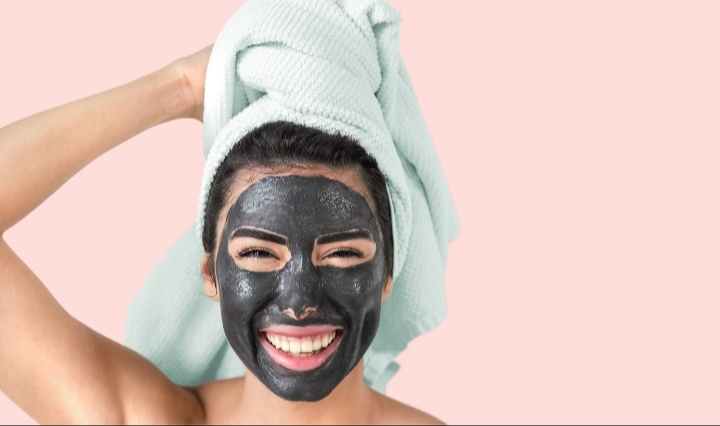
Charcoal has gained considerable popularity as an ingredient in beauty and skincare products. It is commonly included in facial masks, cleansers, soaps, and other products, especially those intended for people with oily or blemish-prone skin. Its popularity is largely linked to the properties of activated charcoal, which can attract and hold certain substances on its surface.
Although charcoal may provide some useful skincare benefits, many claims made about it are not strongly supported by scientific evidence. Therefore, it is best regarded as an additional skincare ingredient rather than a treatment for every skin problem.
What Is Activated Charcoal?
Activated charcoal is a specially treated form of carbon. Its processing gives it a porous structure with a large surface area. This allows certain substances to stick to its surface, a process called adsorption.
In skincare, activated charcoal is usually added to products such as face masks, cleansers, and soaps. It should not be confused with ordinary charcoal used for cooking or heating, which is not intended for use on the skin.
Benefits of Charcoal for the Skin
- Helps Control Excess Oil
One of the reasons charcoal is popular in skincare is its ability to interact with substances on the skin’s surface. Charcoal-containing products may help remove some excess oil, making the skin feel less greasy and cleaner.
This can be particularly appealing to people who naturally have oily skin.
- Helps Remove Surface Impurities
Charcoal is often used in cleansing products because it can help remove certain substances from the surface of the skin. A charcoal cleanser or mask may help get rid of excess oil, dirt, and other buildup.
However, charcoal is not necessary for effective cleansing. A gentle cleanser can also adequately clean the skin.
- Can Improve the Appearance of Congested Skin
Oil and debris around pores can make them appear more noticeable. Using a suitable charcoal product may help remove some of this buildup and leave the skin looking cleaner and smoother.
Charcoal cannot permanently reduce the size of pores, but keeping them clean may make them appear less prominent.
- May Benefit Oily Skin
Charcoal products can be useful as an occasional addition to a skincare routine for people with oily skin. By helping remove excess surface oil, they may leave the skin feeling fresh.
However, removing too much natural oil can cause dryness and irritation. For this reason, charcoal products should not be overused.
- May Support Acne-Prone Skin
Charcoal is frequently advertised as an ingredient for acne because it can help remove oil and surface impurities. However, there is limited evidence that charcoal itself is an effective acne treatment.
Well-established acne ingredients, including salicylic acid, benzoyl peroxide, topical retinoids, and azelaic acid, have stronger evidence supporting their use. (aad.org
)
Therefore, charcoal products may be included in a skincare routine, but they should not replace proven acne treatments when these are necessary.
- Gives the Skin a Fresh Feeling
Many people enjoy charcoal masks because of the clean and refreshed feeling they provide after use. Depending on the formulation, a charcoal product may leave the skin feeling smoother and less oily.
This makes charcoal masks appealing as an occasional self-care treatment.
Does Charcoal Detoxify the Skin?
The word “detox” is frequently used when marketing charcoal skincare products. However, the term can be misleading.
Activated charcoal can adsorb certain substances, but this does not mean that applying a charcoal mask removes toxins from the entire body. There is limited evidence that topical charcoal can perform the broad detoxifying effects sometimes claimed in advertisements.
It is more accurate to say that charcoal may help remove certain substances from the surface of the skin.
Possible Problems With Charcoal Products
Charcoal is not necessarily suitable for everyone. Some charcoal masks and cleansers can make the skin dry or irritated, particularly when they contain other strong ingredients.
Peel-off charcoal masks may also be uncomfortable or irritating for some people. Those with sensitive or dry skin should be especially careful.
Using charcoal products too frequently can remove excessive amounts of surface oil and leave the skin uncomfortable.
How to Use Charcoal Products Properly
If you choose to use charcoal in your skincare routine, select a product specifically formulated for use on the skin and follow the manufacturer’s directions.
For safer use:
Test new products on a small area before applying them widely.
Avoid applying them to cuts, wounds, or irritated skin.
Do not scrub aggressively.
Avoid using charcoal products too often.
Apply moisturizer afterward if the skin feels dry.
Stop using the product if it causes significant irritation.
If you have acne-prone skin, choosing non-comedogenic skincare products may also help reduce the likelihood of clogged pores. (ncbi.nlm.nih.gov
)
Charcoal Does Not Replace Medical Treatment
Although charcoal can be a useful cosmetic ingredient, it should not be considered a cure for skin diseases.
People with severe or persistent acne, eczema, unexplained rashes, skin infections, or other continuing skin problems should consult a dermatologist or another qualified healthcare professional.
Scientific evidence for many alternative ingredients marketed for acne remains limited, so treatments with established evidence are generally preferable for persistent skin conditions. (pmc.ncbi.nlm.nih.gov
)
Conclusion
Charcoal can be a helpful addition to certain skincare products, particularly those designed to cleanse the skin and reduce excess surface oil. It may leave oily skin feeling cleaner, fresher, and smoother.
However, some popular claims about charcoal, especially claims that it can completely detoxify the skin or cure acne, are not strongly supported by scientific evidence. For healthy skin, charcoal should be used as an optional skincare ingredient rather than a miracle solution. A gentle cleanser, suitable moisturizer, sunscreen, and evidence-based treatments for specific skin concerns remain more important components of an effective skincare routine.