


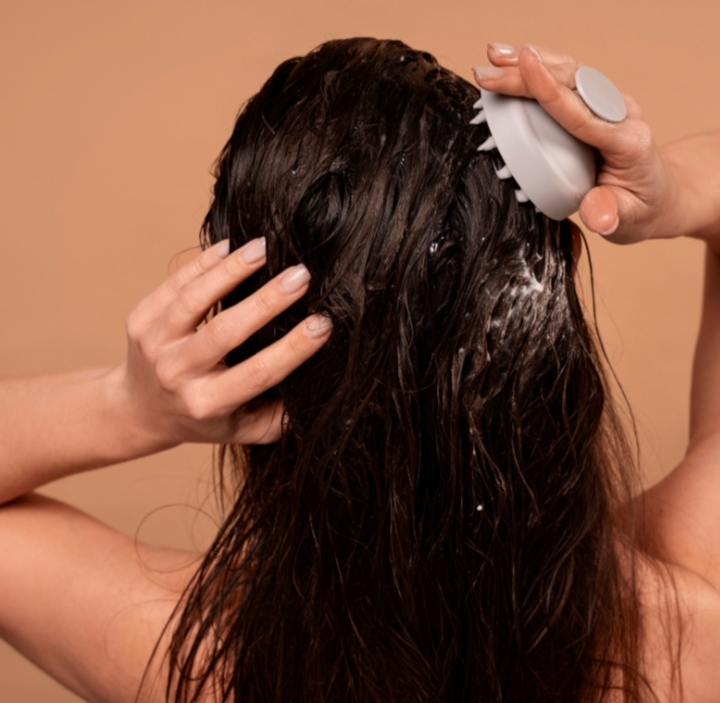
A healthy scalp plays a major role in maintaining healthy hair. Over time, dead skin cells, excess oil, dirt, and styling product residue can accumulate on the scalp, leading to discomfort and buildup. Scalp exfoliation is an effective way to remove these impurities and support a cleaner, healthier foundation for hair growth.
While exfoliation offers several benefits, it’s important to do it correctly. Using harsh techniques or exfoliating too often can cause irritation and damage the scalp’s natural barrier.
What Does Scalp Exfoliation Mean?
Scalp exfoliation involves removing dead skin cells, excess sebum, and product buildup from the surface of the scalp. This process helps keep the scalp clean and can improve the overall effectiveness of your hair care routine.
Potential benefits include:
- Eliminating buildup from hair products.
- Reducing flakes and mild dandruff.
- Managing excess oil production.
- Refreshing the scalp.
- Improving the penetration of hair treatments.
- Supporting a healthier scalp environment.
When Should You Exfoliate Your Scalp?
Your scalp may benefit from exfoliation if you notice:
- Excess oil between washes.
- Persistent product residue.
- Mild itching caused by buildup.
- Visible flakes.
- A heavy or congested feeling on the scalp.
People with certain scalp conditions, such as eczema, psoriasis, or severe dandruff, should seek professional advice before adding exfoliation to their routine.
Different Types of Scalp Exfoliation
Physical Exfoliation
This method removes buildup through gentle scrubbing.
Common tools and products include:
- Scalp scrubs.
- Silicone scalp massagers.
- Specialized scalp cleansing brushes.
The goal is to loosen and remove debris without irritating the skin.
Chemical Exfoliation
Chemical exfoliants work by breaking down dead skin cells and excess oil.
Ingredients commonly found in scalp treatments include:
- Salicylic acid.
- Glycolic acid.
- Lactic acid.
These ingredients help cleanse the scalp without the need for vigorous scrubbing.
How to Exfoliate Your Scalp Safely
Wet Your Hair and Scalp
Begin by thoroughly dampening your scalp with lukewarm water. This softens buildup and makes exfoliation more effective.
Apply the Exfoliating Product
Use a scalp scrub or chemical exfoliant according to the manufacturer’s instructions. Focus the application on the scalp rather than the hair itself.
Massage Carefully
Using your fingertips or a silicone scalp brush, gently massage the product into your scalp using circular motions.
Avoid scratching with your nails, as this can cause irritation and damage.
Rinse Completely
Wash away all traces of the exfoliating treatment to prevent residue from remaining on the scalp.
Cleanse With Shampoo
Follow up with a mild shampoo to remove any remaining buildup and leave the scalp feeling refreshed.
Restore Moisture
Finish with a conditioner or moisturizing scalp treatment to help maintain hydration and comfort.
How Frequently Should You Exfoliate?
The ideal frequency varies depending on your scalp type.
- Oily scalp: Every one to two weeks.
- Normal scalp: Every two to four weeks.
- Dry or sensitive scalp: Once monthly or as needed.
Excessive exfoliation can lead to dryness, irritation, and increased sensitivity.
Mistakes to Avoid
Overdoing It
Exfoliating too often can weaken the scalp’s natural protective barrier and cause discomfort.
Choosing Abrasive Products
Avoid rough scrubs that may create small scratches on the scalp.
Scrubbing Too Aggressively
Gentle pressure is enough to remove buildup. Harsh scrubbing can cause redness and inflammation.
Ignoring Signs of Irritation
Stop using an exfoliating product if you experience burning, excessive itching, or persistent redness.
When Scalp Exfoliation May Not Be Appropriate
It is generally best to avoid scalp exfoliation if you have:
- Cuts or open sores on the scalp.
- Active infections.
- Severe inflammation.
- Ongoing flare-ups of scalp conditions such as eczema or psoriasis.
A dermatologist can provide personalized recommendations if you have concerns about your scalp health.
Conclusion
Scalp exfoliation can be a beneficial addition to your hair care routine when performed with care. By clearing away dead skin, excess oil, and product residue, it helps create a cleaner and healthier scalp environment.
The key to safe exfoliation is moderation. Use gentle products, avoid excessive scrubbing, and pay attention to how your scalp responds. With the right approach, regular scalp exfoliation can contribute to improved scalp comfort and healthier-looking hair over time.