


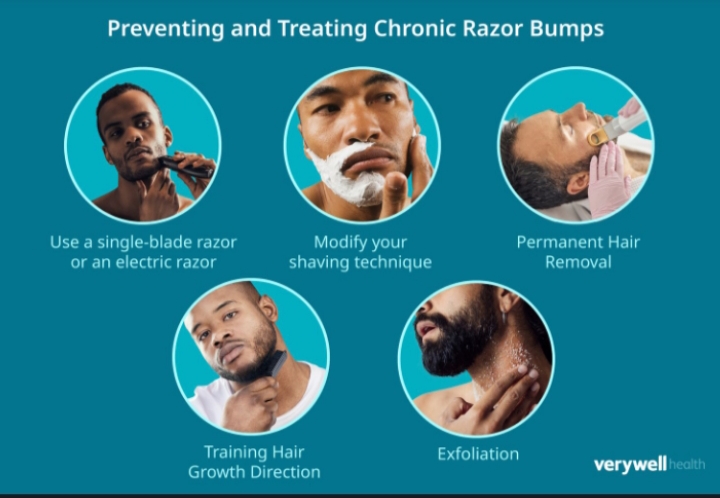
Razor bumps are a common skin issue that can develop after shaving, leaving the skin irritated, inflamed, and covered with small raised bumps. They occur when shaved hairs grow back into the skin rather than emerging through the surface. Although razor bumps can affect anyone, they tend to be more common in people with curly or coarse hair.
Fortunately, adopting the right shaving practices and skincare habits can help reduce the risk of razor bumps and speed up recovery when they occur.
Understanding Razor Bumps
Medically known as pseudofolliculitis barbae, razor bumps form when cut hairs curl back and become trapped beneath the skin. This triggers an inflammatory response, leading to redness, swelling, and discomfort.
Several factors can contribute to their development, including:
- Shaving too closely
- Using worn-out or dull blades
- Shaving against the natural direction of hair growth
- Insufficient skin preparation before shaving
- Naturally curly or coarse hair textures
Tips to Prevent Razor Bumps
Prepare Your Skin Before Shaving
Proper preparation can make a significant difference. Cleanse the skin with warm water to soften the hair and open the pores. Applying a quality shaving cream or gel a few minutes before shaving can further reduce friction and irritation.
Choose a Clean, Sharp Razor
Sharp blades cut hair more effectively and are less likely to pull or tug on the skin. Regularly replacing your razor and keeping it clean can help minimize irritation and ingrown hairs.
Follow the Direction of Hair Growth
Shaving with the grain reduces the likelihood of hairs curling back into the skin. While shaving against the grain may provide a closer shave, it often increases the risk of razor bumps.
Use Gentle Strokes
Avoid pressing the razor too firmly against the skin. Light, controlled strokes help prevent excessive irritation and reduce the chance of cutting hairs below the skin’s surface.
Avoid Going Over the Same Area Repeatedly
Multiple passes can irritate the skin and increase the likelihood of inflammation. Aim to shave each section with as few strokes as possible.
Exfoliate Consistently
Regular exfoliation removes dead skin cells that can block hair follicles and trap hairs beneath the skin. Gentle exfoliation several times a week can help prevent ingrown hairs from forming.
How to Treat Razor Bumps
Pause Shaving Temporarily
If razor bumps appear, consider taking a short break from shaving. This gives the skin time to recover and allows trapped hairs to grow out naturally.
Use Warm Compresses
Applying a warm compress to the affected area can soften the skin and help release ingrown hairs. This simple step may also reduce discomfort.
Keep the Skin Moisturized
Hydrated skin heals more efficiently. Using a gentle moisturizer can calm irritation and support the skin’s recovery process.
Try Exfoliating Ingredients
Products containing salicylic acid or glycolic acid can help remove excess skin cells and encourage trapped hairs to surface. These ingredients may also help reduce inflammation.
Reduce Inflammation
For mild redness and itching, over-the-counter hydrocortisone cream may offer temporary relief. Always follow usage instructions and consult a healthcare professional if symptoms persist.
Avoid Touching or Picking at the Bumps
Picking at razor bumps can worsen irritation, increase the risk of infection, and potentially cause scarring. Allow the skin to heal naturally whenever possible.
When Professional Advice May Be Needed
While most cases improve with proper care, it may be time to consult a dermatologist if:
- The bumps become painful or show signs of infection
- Symptoms do not improve over time
- Scarring develops
- Razor bumps occur frequently despite preventive measures
A dermatologist can recommend specialized treatments or alternative hair-removal options that may be better suited to your skin type.
Conclusion
Razor bumps can be uncomfortable and frustrating, but they are often manageable with the right approach. Preparing your skin properly, using correct shaving techniques, and following a consistent skincare routine can help prevent them from occurring. If they do develop, early treatment and patience can promote healing and restore smoother, healthier-looking skin.