


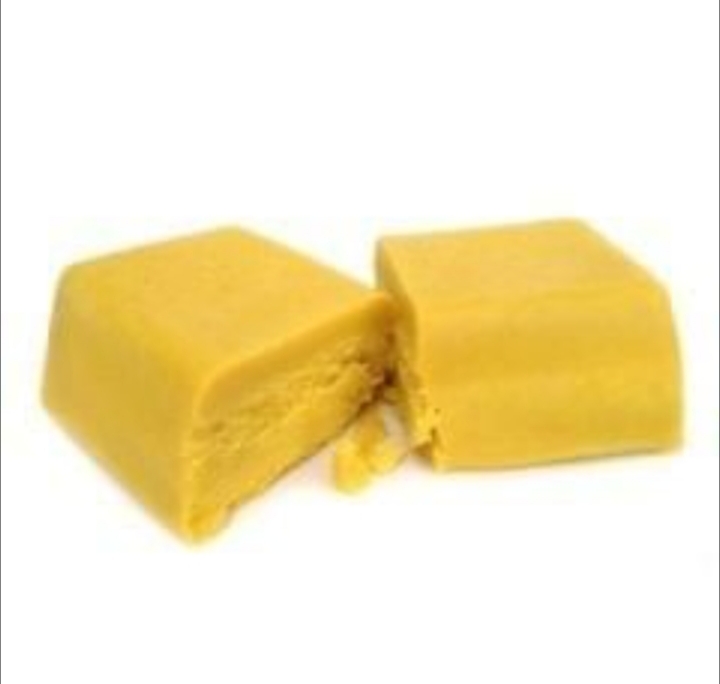
Shea butter is often debated in skincare because of its rich texture. In general, it is considered low to moderately comedogenic, meaning it does not usually clog pores for most people, but reactions can vary depending on skin type and usage.
Does it actually clog pores?
For many users, shea butter does not directly clog pores. It is typically rated low on the comedogenic scale, so it is unlikely to cause breakouts when used appropriately.
However, for some individuals especially those with oily or acne-prone skin it may contribute to breakouts because it is very thick and occlusive.
Why reactions differ
The effect of shea butter depends on how your skin responds to rich oils and butters.
For people with dry or sensitive skin, it can be beneficial because it:
- helps seal in moisture
- soothes irritation
- strengthens the skin barrier
But for others, especially with oily skin, it may:
- feel heavy on the skin
- trap sweat and dead skin cells
- indirectly increase the chance of clogged pores
So the issue is not the ingredient alone, but how it interacts with your skin.
Texture and usage matter
Raw shea butter is dense and slow to absorb, which means it can sit on the skin surface for longer periods.
This makes it more suitable for:
- very dry skin areas
- body use rather than facial use
- nighttime moisturising in small amounts
Processed or blended versions are usually lighter and less likely to feel greasy.
When it works well
Shea butter is often most effective when used:
- on dry skin conditions
- during harsh, dry weather like Harmattan
- on areas like hands, feet, and elbows
- as a sealing layer over lighter moisturisers
When to be careful
You may want to avoid using it heavily on your face if:
- your skin is oily or acne-prone
- you notice breakouts after applying it
- you prefer lightweight, fast-absorbing skincare products
A small patch test is usually the best way to know how your skin reacts.
Conclusion
Shea butter is not naturally pore-clogging for most people, but its heavy texture can be too rich for some skin types, especially on the face. Whether it causes breakouts depends less on the ingredient itself and more on your individual skin response and how it is applied.