


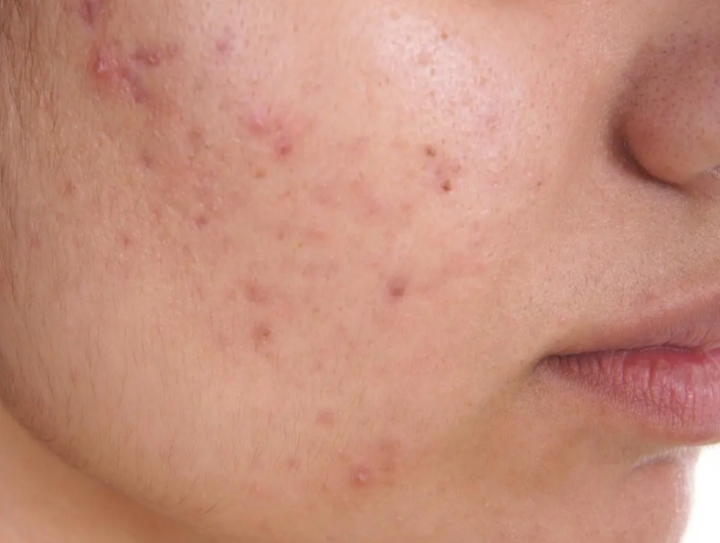
Breakouts that show up after the Harmattan season are quite common. The dry, dusty winds during this period can leave the skin stressed, and that often shows up later as Acne. It usually results from a mix of dryness, irritation, and oil imbalance rather than a single cause.
How Harmattan affects the skin
During Harmattan, the air becomes very dry and filled with fine dust. This combination disrupts the skin’s normal balance.
A key issue is moisture loss. When the skin becomes dehydrated, it may respond by producing more oil, which can clog pores and trigger breakouts.
Another factor is dust accumulation. Tiny particles from the environment settle on the skin throughout the day and can block pores if not properly washed off.
The season also weakens the skin barrier, making it more sensitive and prone to irritation. This can worsen inflammation and make acne more likely.
In addition, using harsh skincare products during this period can strip the skin further, increasing dryness and triggering excess oil production as a reaction.
Why acne often appears after the season ends
Breakouts may not happen immediately during Harmattan but can show up afterward. This is because the skin is still recovering from weeks of dryness and stress.
When humidity returns, oil production may remain high while the skin barrier is still weak, leading to clogged pores.
Increased sweating after the dry season can also mix with oil and dead skin cells, contributing to breakouts.
Ways to treat and prevent post-Harmattan acne
Managing this type of acne focuses on restoring balance and repairing the skin.
1. Use a mild cleanser
Choose a gentle face wash that removes dirt and oil without drying out the skin.
2. Replenish moisture
Apply a light, non-comedogenic moisturizer to restore hydration and support the skin barrier.
3. Exfoliate gently
Use mild chemical exfoliants like salicylic acid once or twice weekly to clear clogged pores. Avoid harsh scrubbing.
4. Strengthen the skin barrier
Products containing ingredients like ceramides or niacinamide can help repair and calm the skin.
5. Clean the skin after exposure
Wash your face after being outdoors to remove dust and prevent buildup in pores.
6. Avoid excessive washing
Over-cleansing can worsen dryness and trigger more oil production, so stick to a simple routine.
7. Keep skincare minimal
Limit the use of too many active products at once, as this can irritate the skin further.
When acne persists
If breakouts become severe, painful, or leave marks, stronger treatments or professional dermatological care may be needed.
Conclusion
Post-Harmattan acne is mainly caused by dryness, dust exposure, and an imbalanced skin barrier. Instead of aggressive treatment, the best approach is gentle care, proper hydration, and barrier repair.
With a simple and consistent routine, most skin gradually returns to normal after the season changes.