


Finding the right moisture routine can be challenging when you have low porosity hair. Because the cuticles are tightly packed, water and hair products may take longer to penetrate the strands. As a result, heavy products can easily build up on the hair and leave it feeling greasy or weighed down.
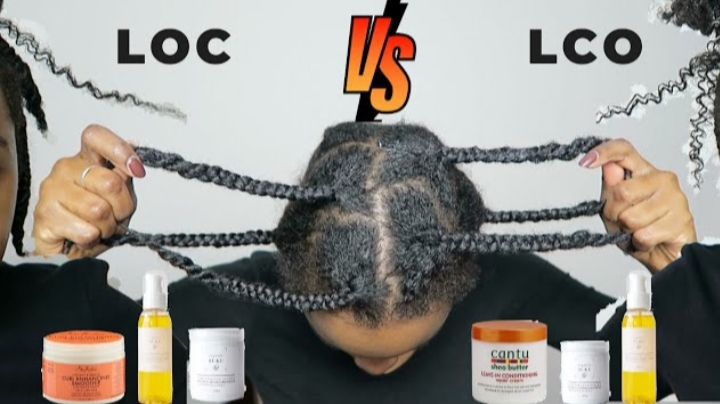
Two popular techniques for layering hair products are the LOC method and the LCO method. Although both aim to keep hair moisturized, they differ in the order in which products are applied.
For many people with low porosity hair, LCO may be a better option to start with, but the best method ultimately depends on how your own hair responds.
Understanding Low Porosity Hair
Hair porosity refers to the ability of your hair to absorb and retain moisture. With low porosity hair, the cuticle layers are closely packed, which can make it harder for moisture and products to enter the hair shaft.
Some common signs include:
- Hair takes a long time to become fully wet.
- Products may remain on the surface of the hair.
- Heavy creams and oils can cause buildup.
- Hair may feel dry despite having several products applied.
- Lightweight, water-based products may be easier for the hair to handle.
Having low porosity hair does not mean your hair is damaged or unhealthy. It simply means your moisturizing routine may need to be adjusted.
What Does LOC Mean?
LOC stands for Liquid, Oil, and Cream.
With this technique, you begin with water or another liquid-based product. Oil is applied next, followed by a cream or butter-based moisturizer.
The liquid provides moisture, while the oil is intended to help slow moisture loss. The final cream adds softness, moisture, and sometimes hold for styling.
LOC can be useful for hair that struggles to retain moisture. However, applying oil before cream may feel too heavy for some people with low porosity hair.
What Does LCO Mean?
LCO stands for Liquid, Cream, and Oil.
The first step is similar to LOC: you begin with water or a water-based product. Instead of applying oil immediately afterward, you use a moisturizing cream as the second layer. A small amount of oil is then applied last.
The major difference is therefore the position of the oil.
The LCO sequence is:
Liquid → Cream → Oil
This approach may allow the moisturizing product to be applied before the sealing layer.
Why LCO May Be Suitable for Low Porosity Hair
Low porosity hair can sometimes become easily coated with products. When oil is applied too early, it may create a layer that makes subsequent products feel like they are sitting on top of the hair.
With LCO, the cream goes on before the oil. This can make the routine feel lighter for some people and may reduce the temptation to use large quantities of product.
The final oil layer can then help reduce moisture loss without requiring excessive amounts of oil.
Choosing Products for Low Porosity Hair
The product formula matters just as much as the application method.
Begin With a Water-Based Product
Water should be the main source of moisture in the routine. You can use plain water, a moisturizing spray, or a water-based leave-in conditioner.
Applying products while the hair is damp can also help spread them more easily.
Use a Light Moisturizer
Instead of reaching immediately for thick creams and heavy butters, try a lightweight moisturizing product. Start with a small amount and increase it only if necessary.
A product that leaves your hair soft without making it feel coated is usually a better choice.
Be Careful With Oils
Oil can help reduce moisture loss and provide shine and lubrication, but it does not replace water as a source of hydration.
When dealing with low porosity hair, using too much oil can leave the strands greasy or contribute to buildup. A small amount is often sufficient.
Can You Still Use LOC?
Absolutely. Having low porosity hair does not automatically mean you must avoid the LOC method.
If LOC leaves your hair moisturized, soft, and manageable without creating buildup, you can continue using it.
However, if your hair consistently feels heavy, greasy, coated, or stiff after following LOC, changing to LCO may be worth experimenting with.
Finding the Method That Works for You
Hair porosity is a useful starting point, but it does not determine exactly which routine will work for everyone.
Pay attention to how your hair behaves after moisturizing. A routine may be working well if your hair feels:
- Soft and flexible.
- Moisturized without feeling greasy.
- Easy to comb or detangle.
- Light rather than weighed down.
- Free from excessive product residue.
If your hair feels coated or heavy, consider reducing the amount of product, choosing lighter formulas, cleansing away buildup when needed, or changing the order of application.
Which Method Should You Choose?
If you have low porosity hair and are unsure where to begin, LCO is worth trying first. Applying the liquid, followed by cream and then a small amount of oil, may provide moisture without making the hair feel overly coated.
Nevertheless, there is no single routine that works for everyone. Hair thickness, density, climate, styling practices, and the products you use can all influence the results.
Some people with low porosity hair may prefer LOC, while others may discover that LCO works better. You may even find that you do not need all three steps.
Keep Your Routine Simple
More products do not necessarily mean more moisture. In fact, using too many products can make low porosity hair feel heavy and encourage buildup.
For some people, a simple combination of water and a lightweight leave-in conditioner may be enough. Others may benefit from adding a small amount of oil or cream.
The purpose of LOC or LCO is not to follow a complicated routine perfectly. It is to find a practical way to keep your hair moisturized and manageable.
Final Thoughts
Both LOC and LCO can be useful techniques for retaining moisture, but LCO is often a good starting point for low porosity hair because the cream is applied before the oil.
Still, there is no universal answer. If LOC works well for your hair, there is no need to switch. If it leaves your strands greasy or weighed down, try LCO with lightweight products and smaller quantities.
The best routine is the one that leaves your hair comfortable, moisturized, and manageable. Pay attention to how your hair responds, make gradual changes, and avoid using more product than your strands actually need.