


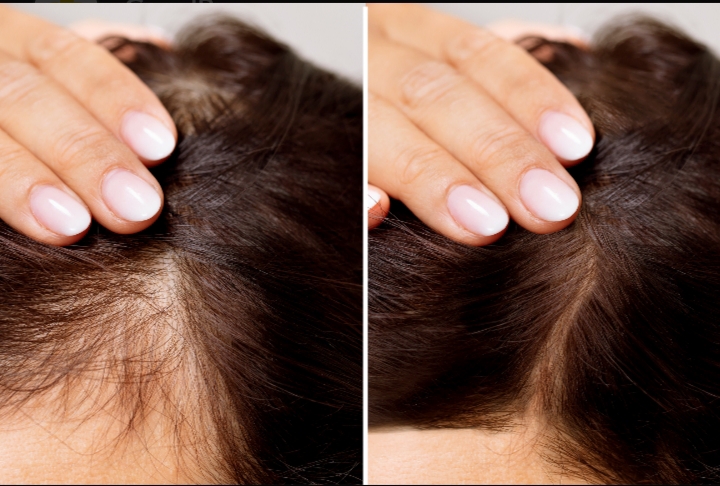
A receding hairline is a common concern for many people, especially men, though women can also experience it. It may be triggered by genetics, aging, stress, hormonal changes, poor nutrition, or damaging hair practices. While it can affect confidence, there are several ways to manage and improve hairline thinning, ranging from simple home care methods to advanced medical procedures.
Choosing the right approach depends on the cause and extent of hair loss, personal budget, and desired results.
What Causes Hairline Recession?
Hairline thinning does not happen for one reason alone. Common contributing factors include:
- Hereditary pattern baldness
- Tight hairstyles that pull on the scalp
- Hormonal imbalances
- Nutritional deficiencies
- High stress levels
- Excessive use of heat or chemical products
- Natural aging process
- Certain illnesses or medications
Understanding the cause is important in deciding whether natural care is enough or if medical intervention is needed.
Natural Home Remedies for Hairline Support
Home-based treatments are widely used because they are affordable and easy to try. While they may not fully restore lost hair in severe cases, they can help improve scalp health and slow down early thinning.
1. Scalp Stimulation
Massaging the scalp regularly can boost blood circulation around hair follicles, which may support healthier hair growth over time.
Pros:
- Encourages blood flow
- Helps reduce stress
- May strengthen existing hair
Cons:
- Requires consistency
- Limited effect on advanced hair loss
2. Natural Oils
Certain plant-based oils are believed to promote hair health, such as rosemary oil, peppermint oil, coconut oil, and castor oil.
Advantages:
- Affordable and natural
- Easy to use at home
Limitations:
- Scientific evidence is limited
- Possible skin irritation for some users
3. Onion Extract
Onion juice is sometimes used because it contains sulfur, which may support hair follicle activity and circulation.
Benefits:
- Low-cost remedy
- Some evidence of mild effectiveness
Downsides:
- Strong odor
- Results are inconsistent
4. Nutrition and Supplements
Healthy hair depends heavily on diet. Lack of key nutrients such as iron, protein, zinc, or vitamins can contribute to thinning.
Helpful foods include:
- Eggs
- Fish
- Nuts
- Leafy greens
- Beans
Supplements may help if a deficiency exists, but should be used carefully.
5. Aloe Vera and Herbal Masks
Aloe vera is commonly applied to soothe the scalp and reduce irritation or dandruff.
Possible effects:
- Improves scalp condition
- Reduces dryness
However, it is more supportive for scalp health than direct regrowth.
How Effective Are Home Remedies?
Natural methods can:
- Improve scalp condition
- Slow early-stage hair loss
- Strengthen existing strands
But they usually cannot:
- Regrow fully inactive follicles
- Restore significant baldness
- Produce fast or dramatic results
Consistency over time is key for any visible improvement.
Medical and Clinic-Based Treatments
Professional treatments are generally more effective for moderate to severe hairline recession because they directly target hair follicles.
1. Topical Treatment
Minoxidil is a commonly used solution for hair thinning.
It works by increasing blood flow to the scalp and extending the hair growth phase.
Pros:
- Clinically approved for hair loss
- Can stimulate regrowth and slow shedding
Cons:
- Must be used continuously
- Effectiveness varies between individuals
2. PRP (Platelet-Rich Plasma) Therapy
This procedure uses a person’s own blood, processed to concentrate growth factors, which is then injected into the scalp.
Advantages:
- Natural healing-based treatment
- Non-surgical approach
Disadvantages:
- Can be costly
- Requires repeated sessions
It often improves thickness more than creating new hair.
3. Hair Transplant Procedures
Hair restoration surgery is one of the most reliable ways to rebuild a receding hairline.
Common methods include follicular unit extraction and follicular unit transplantation.
Benefits:
- Long-term or permanent results
- Natural appearance when done well
Drawbacks:
- Expensive
- Requires recovery time
- Depends on donor hair availability
4. Laser-Based Therapy
Low-level laser treatments use light energy to stimulate hair follicles.
Pros:
- Non-invasive and painless
Cons:
- Mixed research results
- Requires ongoing treatment sessions
5. Prescription Medication
Doctors may prescribe treatments based on the type of hair loss.
One common option is Finasteride, which helps slow hair loss by affecting hormones.
These medications can be effective but should be taken under medical supervision due to possible side effects.
Home Remedies vs Clinic Treatments
| Aspect | Home Remedies | Clinic Treatments |
|---|---|---|
| Cost | Low | Higher |
| Convenience | Can be done at home | Requires professional visits |
| Results Speed | Slow | Faster |
| Effectiveness | Mild improvement | Moderate to strong results |
| Evidence | Limited research | Strong clinical backing |
| Suitability | Early-stage thinning | Moderate to advanced loss |
Choosing the Right Option
Home care works best if:
- Hair thinning is still mild
- You prefer natural approaches
- You want preventive care
- You are managing early signs of recession
Clinical treatment is better if:
- Hair loss is more advanced
- You want noticeable regrowth
- Home methods have not helped
- You are looking for long-term restoration
Often, combining both approaches gives the best outcome—medical treatment supported by good nutrition and scalp care.
Misconceptions About Hair Restoration
There are many exaggerated claims about quick hair regrowth. It is important to stay realistic.
Common misunderstandings include:
- Natural products guarantee regrowth
- Hair can be fully restored overnight
- One solution works for everyone
- Shaving makes hair grow thicker
Hair restoration usually requires patience and consistent care.
Conclusion
Restoring a hairline can involve either natural methods or medical treatments, depending on the severity of the problem. Home remedies are helpful for maintaining scalp health and slowing early hair loss, while clinical procedures offer more powerful and lasting results for significant recession.
For best outcomes, many people benefit from combining healthy lifestyle habits with proven medical treatments under professional guidance.