


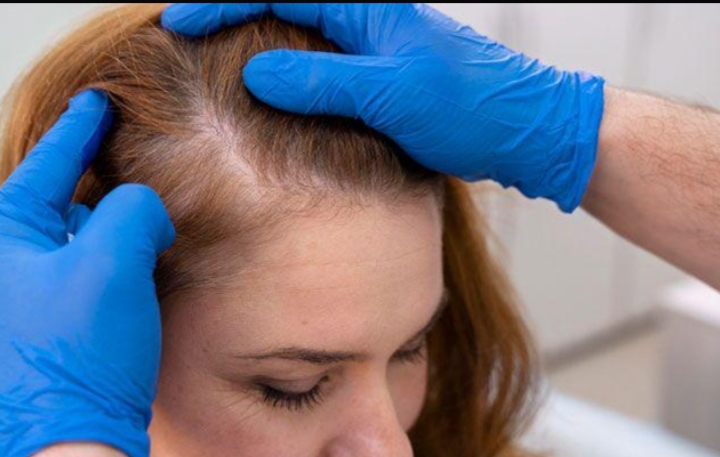
Hair thinning among women is a widespread concern that can affect appearance and confidence. It may develop slowly over time or occur more suddenly, and its duration can be temporary or long-lasting depending on the underlying cause. Identifying the reason behind it is key to finding effective treatment.
Main Causes of Hair Thinning in Women
1. Hormonal fluctuations
Changes in hormone levels are a major trigger for hair thinning. This is common during pregnancy, after childbirth, menopause, or in conditions such as polycystic ovary syndrome (PCOS), where hormonal imbalance affects hair growth cycles.
2. Lack of essential nutrients
Deficiencies in nutrients like iron, vitamin D, zinc, and protein can weaken hair structure and slow down growth. Poor dietary habits or restrictive eating patterns often contribute to this problem.
3. Stress-related shedding
Physical or emotional stress can disrupt the normal hair growth cycle, pushing more strands into the shedding phase. This type of hair loss is often reversible once stress levels improve.
4. Genetic predisposition
Female pattern hair loss, also known as androgenetic alopecia, is inherited and leads to gradual thinning, especially around the crown and part line of the scalp.
5. Underlying medical conditions
Health issues such as thyroid disorders, autoimmune diseases, and scalp infections can interfere with normal hair growth if not properly managed.
6. Damage from styling habits
Frequent use of heat styling tools, tight hairstyles, bleaching, and chemical treatments can weaken hair shafts and damage follicles over time.
7. Side effects of medication
Certain drugs, including those used for blood pressure, depression, or hormonal treatments, may contribute to hair thinning in some individuals.
Approaches to Managing Hair Thinning
1. Improve diet quality
Eating a balanced diet rich in proteins, vitamins, fruits, and vegetables supports healthier hair growth. Supplements may be recommended when deficiencies are confirmed.
2. Reduce stress
Practices such as regular exercise, adequate rest, meditation, and relaxation techniques can help minimize stress-induced hair shedding.
3. Medical treatments
Topical solutions like minoxidil are commonly prescribed to stimulate hair growth and slow down thinning, especially in genetic hair loss cases.
4. Address health issues
Treating underlying conditions such as hormonal imbalances or thyroid problems is essential for restoring normal hair growth.
5. Adopt gentle hair care routines
- Avoid tight hairstyles that pull on the scalp
- Reduce heat styling and chemical exposure
- Use mild hair care products
- Handle hair gently when combing or washing
6. Professional treatment options
Dermatologists may recommend treatments such as:
- Platelet-rich plasma (PRP) therapy
- Low-level laser therapy
- Prescription medications tailored to individual diagnosis
When Medical Help is Needed
It is advisable to seek professional care if:
- Hair loss appears suddenly or becomes severe
- Bald patches develop on the scalp
- Thinning is accompanied by pain, itching, or irritation
- No improvement is seen with basic treatments
Early intervention often improves treatment outcomes.
Conclusion
Hair thinning in women can be linked to hormonal changes, genetics, stress, nutritional gaps, medical conditions, and styling damage. Although it can be worrying, many cases can be improved with proper care, lifestyle adjustments, and medical treatment when necessary.