


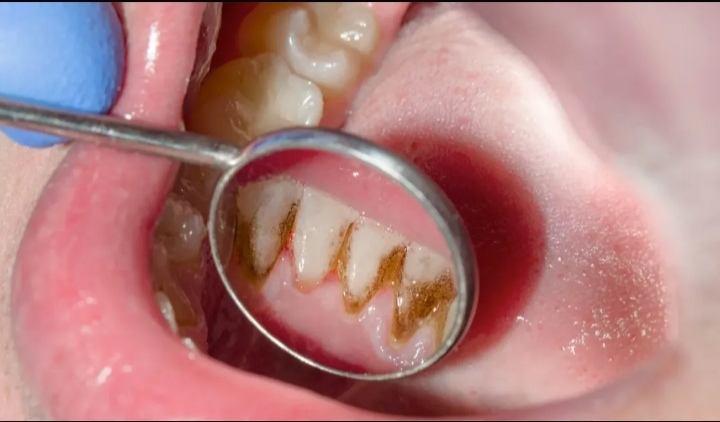
Gum disease, medically referred to as periodontal disease, is a widespread dental condition that affects the gums and supporting structures of the teeth. It typically starts as mild gum inflammation and can worsen over time if not properly managed. Early recognition and timely treatment are key to preventing serious complications, including tooth loss.
Understanding Gum Disease
Gum disease is an infection and inflammation of the tissues that hold teeth in place. It is primarily caused by plaque buildup, a sticky layer of bacteria that forms on the teeth. When plaque is not removed through regular brushing and flossing, it hardens into tartar, which can lead to gum irritation and infection.
There are two main stages of the condition:
- Gingivitis – the initial stage, where the gums become red, swollen, and may bleed, but no permanent damage has yet occurred
- Periodontitis – the advanced stage, where infection spreads deeper, leading to gum recession and possible bone loss
Common Symptoms
The signs of gum disease may differ depending on how severe it is. Typical symptoms include:
- Swollen, red, or sensitive gums
- Bleeding during brushing or flossing
- Persistent bad breath or unpleasant taste
- Gums pulling away from teeth
- Loose or shifting teeth in advanced cases
- Discomfort while chewing
In early stages, symptoms are often mild, making routine dental visits important for early detection.
Causes and Risk Factors
Although poor oral hygiene is the main cause, several factors can increase the likelihood of developing gum disease:
- Tobacco use, including smoking
- Hormonal changes, such as during pregnancy
- Diabetes and other systemic conditions
- Certain medications that reduce saliva production
- Genetic susceptibility
- Poor dietary habits
Bacteria in plaque produce toxins that irritate gum tissue and trigger inflammation.
Treatment Methods
Treatment depends on the severity of the condition.
1. Routine Dental Cleaning
For mild cases, dentists remove plaque and tartar buildup to help restore gum health.
2. Deep Cleaning Procedures
More advanced cases require scaling and root planing, which cleans below the gumline and smooths root surfaces to promote healing.
3. Medication Use
Antibiotics in the form of mouth rinses, gels, or tablets may be prescribed to control infection and reduce bacterial growth.
4. Surgical Intervention
Severe cases may require surgery to reduce deep gum pockets or repair damaged bone and tissue.
Preventive Care and Home Management
Maintaining good oral hygiene is essential for preventing and controlling gum disease:
- Brush teeth twice daily using fluoride toothpaste
- Floss regularly to clean between teeth
- Use antibacterial mouthwash when recommended
- Avoid smoking and tobacco use
- Eat a balanced, nutrient-rich diet
- Schedule regular dental checkups
Possible Complications
If left untreated, gum disease can lead to:
- Loss of teeth
- Damage to jawbone structure
- Increased risk of systemic health conditions, including heart disease
- Chronic oral infections
Conclusion
Gum disease is a preventable condition that can progress from mild gum inflammation to severe damage if ignored. Identifying symptoms early and receiving appropriate treatment can stop its progression. With consistent oral hygiene practices and regular dental care, it is possible to prevent gum disease and maintain long-term oral health.