


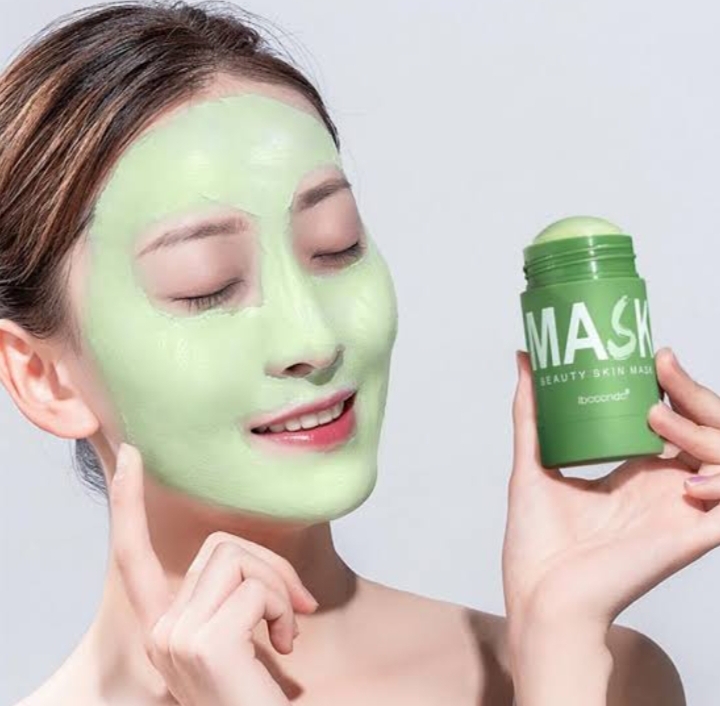
Green clay masks are widely appreciated in skincare for their strong cleansing and balancing properties. Known for removing impurities and controlling excess oil, this natural treatment helps improve skin clarity and overall appearance. People dealing with oily skin, clogged pores, or a dull complexion often find green clay masks beneficial as part of their skincare routine.
Green clay, often called French green clay or illite clay, is a natural mineral formed from decomposed plant matter and volcanic ash. Its green color comes from minerals such as iron oxides, magnesium, calcium, potassium, and silica. These minerals give the clay its powerful purifying and oil-absorbing abilities, making it effective for skincare use.
One of the main benefits of green clay masks is deep cleansing. The clay works by drawing out dirt, toxins, and impurities trapped inside the pores. As the mask dries, it binds to unwanted buildup on the skin and removes it when rinsed off, leaving the skin feeling clean and refreshed.
Green clay also helps control excess oil by absorbing surplus sebum without completely stripping the skin of moisture when used correctly. This makes it especially suitable for oily, combination, and acne-prone skin types. Regular use can help maintain a more balanced and less shiny complexion.
Another advantage is its role in preventing breakouts. By clearing pores of oil, bacteria, and debris, green clay masks reduce conditions that contribute to acne formation. Cleaner pores often lead to fewer blackheads and blemishes over time, while the clay’s mild antibacterial properties support healthier skin.
After using a green clay mask, pores may appear smaller because accumulated dirt and oil have been removed. Although pore size cannot permanently change, keeping pores clean improves their appearance and gives the skin a smoother look.
Green clay masks also provide gentle exfoliation. During rinsing, the clay helps remove dead skin cells that cause dullness and uneven texture. This process promotes smoother skin and allows skincare products to absorb more effectively.
The minerals present in green clay may stimulate circulation near the skin’s surface, which can temporarily enhance radiance and give the complexion a natural glow. Many users notice their skin looks fresher and more even after regular use.
When mixed with soothing ingredients such as aloe vera or honey, green clay masks can also help calm mild irritation and reduce redness, especially after breakouts.
Green clay masks are most suitable for oily, combination, acne-prone, or congested skin. Individuals with dry or sensitive skin can still use them occasionally, preferably combined with hydrating ingredients to prevent dryness.
To use a green clay mask, begin with a clean face. Mix the clay powder with water, rose water, or aloe vera gel to form a smooth paste. Apply a thin, even layer and leave it on for about eight to twelve minutes, avoiding letting it dry completely or crack. Rinse with lukewarm water and apply a moisturizer afterward. Oily skin types can use the mask two to three times weekly, combination skin once or twice weekly, and dry or sensitive skin once weekly or less.
Common mistakes include leaving the mask on for too long, using metal bowls for mixing, skipping moisturizer after application, or using the mask too frequently.
Green clay masks are generally safe, but overuse may cause dryness, tightness, or temporary redness. Performing a patch test before first use is recommended, especially for sensitive skin.
Overall, green clay masks offer a natural and effective way to purify, balance, and refresh the skin. Their ability to absorb oil, cleanse pores, and improve skin clarity makes them a valuable addition to a consistent skincare routine for achieving healthier-looking skin.