


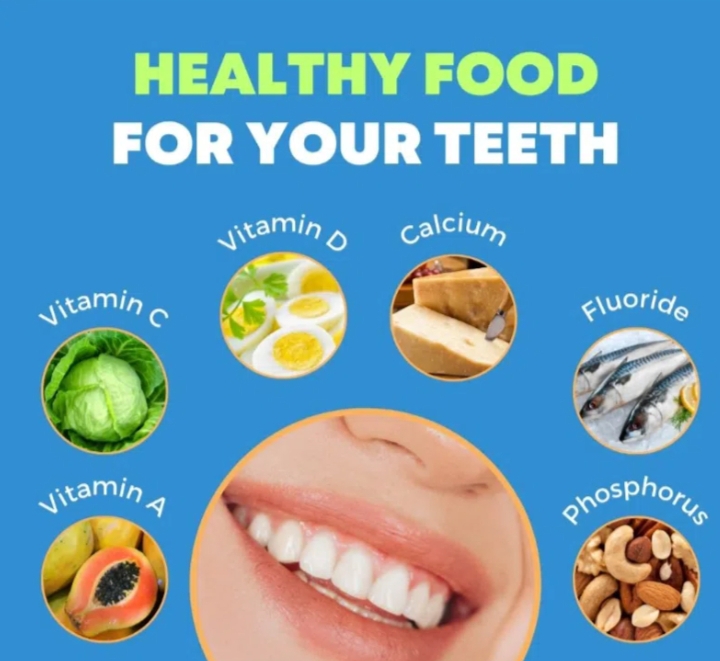
Maintaining good oral health depends not only on brushing and flossing but also on the foods you eat. A nutritious diet helps strengthen teeth, support gum tissue, prevent decay, and reduce the risk of gum disease. Choosing the right foods can naturally protect your mouth and promote long-term dental health.
How Diet Affects Oral Health
What you eat has a direct impact on your teeth and gums. Nutrient-rich foods help repair and strengthen oral tissues, while certain foods can encourage bacterial growth and tooth decay. A balanced diet also supports saliva production, which plays a key role in cleaning the mouth and protecting enamel.
Dairy Products
Dairy foods are excellent sources of calcium, phosphorus, and vitamin D, all of which are important for strong teeth and bones.
Helpful options include:
- Milk
- Cheese
- Yogurt
Cheese is particularly beneficial because it helps balance acids in the mouth, lowering the risk of cavities.
Crunchy Fruits and Vegetables
Crisp fruits and vegetables help clean the teeth naturally while encouraging saliva flow, which helps remove food particles and bacteria.
Examples include:
- Apples
- Carrots
- Celery
- Cucumbers
They also gently massage the gums, improving circulation and gum strength.
Leafy Green Vegetables
Leafy greens are rich in essential vitamins and minerals that support gum health and help prevent inflammation.
Examples include:
- Spinach
- Kale
- Lettuce
These vegetables provide calcium, folate, and antioxidants that strengthen teeth and protect gum tissues.
Nuts and Seeds
Nuts and seeds contain important minerals like calcium and phosphorus, which help reinforce tooth enamel.
Good choices include:
- Almonds
- Walnuts
- Sesame seeds
- Chia seeds
They are low in sugar and support overall oral health.
Fatty Fish
Fatty fish are high in vitamin D, which helps the body absorb calcium effectively, strengthening teeth and supporting bone health.
Examples include:
- Salmon
- Mackerel
- Sardines
They also help reduce inflammation in the gums.
Tea (Green and Black)
Tea contains natural plant compounds called polyphenols that help reduce bacteria in the mouth and limit plaque buildup. Unsweetened tea can also support fresher breath and healthier gums.
Water
Water is essential for oral hygiene. It helps rinse away food debris, keeps the mouth moist, and supports saliva production, which protects against tooth decay and bacterial growth.
Foods Rich in Vitamin C
Vitamin C is important for maintaining strong, healthy gums and preventing bleeding or swelling.
Good sources include:
- Oranges
- Strawberries
- Kiwi
- Bell peppers
These foods support collagen production, which strengthens gum tissue.
Foods to Avoid or Limit
To maintain good oral health, it is important to reduce intake of certain foods that harm teeth:
- Sugary sweets and candies
- Soft drinks and sweetened beverages
- Sticky snacks that cling to teeth
- Highly acidic foods and drinks
These can weaken enamel and increase the risk of cavities.
Conclusion
A healthy diet is essential for maintaining strong teeth and healthy gums. Foods rich in vitamins, minerals, and antioxidants help protect enamel, strengthen gum tissue, and reduce oral disease risk. By choosing nutritious foods and limiting sugar intake, you can support better oral health and maintain a confident smile over time.