


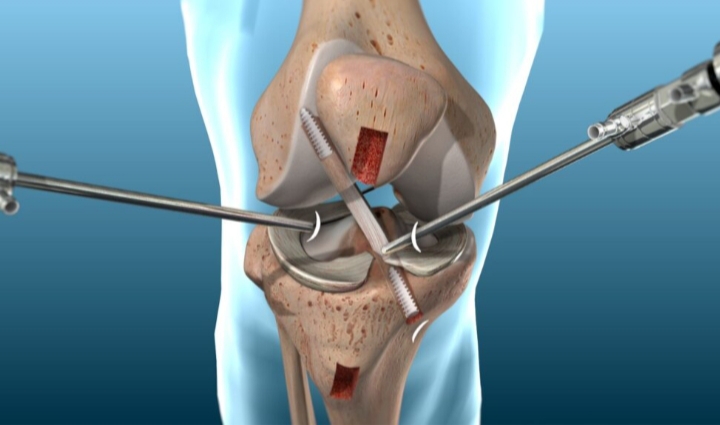
A tear of the Anterior Cruciate Ligament (ACL) is a common knee injury, especially in sports involving sudden stops, jumps, or direction changes. After diagnosis, the main decision is whether to undergo surgery or manage the injury through rehabilitation.
The right choice depends largely on activity level, knee stability, and personal goals.
Understanding the Injury
The ACL helps stabilize the knee during twisting and pivoting movements. When it ruptures, people often notice a popping sound at the time of injury, followed by swelling and a sensation that the knee may give way. While pain varies, instability is usually the main concern.
Surgical Treatment (Reconstruction)
Surgery involves replacing the torn ligament with a graft taken from another tendon or a donor.
It is typically recommended for athletes in high-demand sports, individuals with frequent knee instability, or those aiming to return to intense physical activity.
The main advantages include improved knee stability for dynamic movements, a better chance of returning to competitive sports, and reduced risk of further structural damage in some cases. However, it also comes with a long recovery period (often 6–12 months), potential surgical risks, and the need for intensive rehabilitation afterward.
Non-Surgical Treatment (Rehabilitation)
Rehabilitation focuses on strengthening the muscles around the knee to compensate for the missing ligament.
This approach is usually best for less active individuals, those willing to avoid high-risk sports, or people whose knees remain stable during daily activities.
Its advantages include avoiding surgical risks, lower cost, and a quicker initial recovery. On the downside, it may not fully restore stability during pivoting movements, and active individuals may still experience instability or risk further injury.
What Evidence Suggests
Research shows mixed outcomes. Some individuals function well with rehabilitation alone, while others continue to experience instability and later opt for surgery. Long-term risks such as Osteoarthritis appear to be broadly similar whether surgery is performed or not.
Functional Categories: Copers vs Non-Copers
Patients are often grouped into two categories: “copers,” who manage well without surgery, and “non-copers,” who continue to experience instability and may require reconstruction. This distinction often becomes clearer after a period of rehabilitation.
Timing of Decision
Surgery does not always need to happen immediately. A common approach is to begin rehabilitation first, monitor knee stability and function, and then decide on surgery if instability persists. Delaying surgery is generally safe as long as further injury is avoided.
Choosing Between the Two
Surgery is often preferred for individuals involved in pivot-heavy sports, those with recurring knee instability, or those prioritizing high-level athletic performance. Rehabilitation may be more suitable for individuals with lower activity demands, stable knees after strengthening, or those wishing to avoid surgery.
Final Summary
Deciding between surgery and rehabilitation for an ACL tear is highly individual. Surgery offers strong mechanical stability but requires long recovery, while rehabilitation avoids surgical risks but may require activity modification.
In many cases, starting with structured rehabilitation and reassessing progress over time provides a practical and balanced approach.