


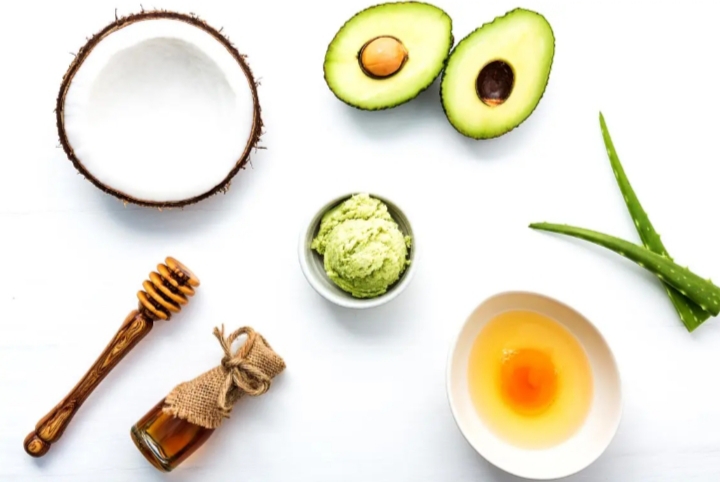
Healthy, glowing skin is influenced by more than skincare products alone. What you eat, how active you are, your hydration levels, and daily habits all play a role in skin appearance. A common discussion in skincare is whether sweating is beneficial or harmful. While sweat can support skin health in certain ways, it may also contribute to breakouts if hygiene is neglected. Understanding how diet and sweating interact can help you maintain clearer and healthier skin.
The Role of Diet in Skin Appearance
Skin health is closely linked to nutrition. A well-balanced diet rich in essential nutrients supports skin repair, hydration, and overall radiance.
Foods that support healthy skin include:
- Fruits and vegetables rich in vitamins and antioxidants
- Fatty fish containing omega-3 fatty acids
- Nuts, seeds, and healthy oils
- Whole grains and fiber-rich foods
- Sufficient water intake
In contrast, diets high in sugar, processed foods, and unhealthy fats may contribute to inflammation, which can sometimes worsen skin conditions.
Positive Effects of Sweating on Skin
Sweating is a natural bodily function that helps regulate temperature during exercise and heat exposure. Although it is often misunderstood, it can offer indirect benefits for the skin.
Better Blood Flow
Physical activity that causes sweating improves circulation. Increased blood flow helps deliver oxygen and nutrients to skin cells, supporting a healthier complexion.
Reduced Stress Levels
Exercise-induced sweating is linked to stress relief. Since stress can trigger skin issues in some people, managing it may help improve skin clarity.
Overall Health Support
Regular physical activity improves sleep quality, hormonal balance, and cardiovascular health—all of which can reflect positively on the skin.
Does Sweat Lead to Acne?
Sweat itself is not a direct cause of acne. However, it can contribute to breakouts when it mixes with oil, bacteria, and dead skin cells on the skin’s surface.
Blocked Pores
If sweat remains on the skin for too long, especially under tight clothing or gear, it can mix with impurities and lead to clogged pores.
Bacterial Build-Up
Warm and moist conditions created by sweat can encourage bacterial growth, which may increase the risk of pimples.
Friction and Irritation
When sweat combines with friction from clothing or sports equipment, it may trigger irritation or acne-like breakouts.
How to Avoid Sweat-Related Breakouts
To enjoy exercise benefits while minimizing skin issues, the following habits are helpful:
- Clean your face before and after workouts
- Change out of sweaty clothing quickly
- Shower soon after exercising
- Use skincare products that do not clog pores
- Avoid touching your face with unwashed hands
- Stay well hydrated throughout the day
These steps help keep the skin clean and reduce the likelihood of irritation.
Foods That Promote a Healthy Glow
Certain nutrients are especially helpful for maintaining bright and healthy-looking skin:
Vitamin-Rich Foods
Citrus fruits, berries, and vegetables support collagen production and protect against damage.
Healthy Fats
Foods like avocados, fish, and nuts help maintain skin moisture and elasticity.
Antioxidant Sources
Colorful fruits and vegetables help fight oxidative stress that can age the skin.
Hydrating Foods
Foods with high water content, such as cucumbers and melons, support skin hydration.
Achieving a Healthy Balance
Glowing skin is best achieved through a combination of good nutrition, regular exercise, proper hydration, and consistent skincare habits. Sweating is a natural and beneficial part of an active lifestyle, but proper cleansing afterward is essential to avoid clogged pores and breakouts.
Conclusion
Both diet and physical activity influence skin health in important ways. While sweating supports circulation, stress reduction, and overall wellness, it can also contribute to breakouts if hygiene is poor. A balanced diet, proper hydration, and good post-exercise skincare practices work together to promote clear, glowing skin.