


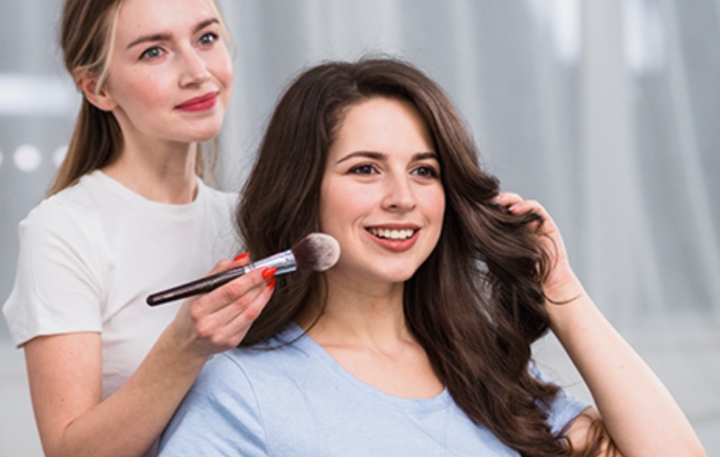
Beauty is often linked to skincare routines, makeup, and cosmetic enhancements, but genuine confidence plays an equally important role in how someone looks and feels. While beauty products can enhance appearance, lasting attractiveness is deeply connected to mindset, habits, and overall self-perception. True confidence is not about becoming someone else it is about becoming comfortable and secure in your own identity.
Beauty Beyond Physical Appearance
Today’s understanding of beauty is shifting away from purely physical standards. Traits like confidence, self-respect, and kindness strongly influence how attractive a person appears. Individuals who feel comfortable with themselves often project a natural charm that cannot be achieved through external products alone.
Real beauty comes from a blend of appearance, attitude, and self-awareness.
The Power of Body Language
How a person carries themselves can significantly influence their confidence. Simple actions such as maintaining good posture, making eye contact, and moving with intention can instantly improve presence.
Even small habits like smiling more often or relaxing tense shoulders can make someone appear more self-assured.
The Role of Self-Talk
Inner dialogue shapes confidence over time. Constant self-criticism can weaken self-esteem, while balanced and encouraging thoughts help build it.
Focusing on growth rather than perfection and replacing negative thoughts with constructive ones can gradually strengthen self-confidence.
Self-Care and Personal Grooming
Although confidence is internal, taking care of oneself still matters. Maintaining cleanliness, grooming well, and dressing in a way that feels comfortable can enhance self-respect.
This is less about external validation and more about feeling good in your own skin.
Building Skills and Personal Growth
Confidence often grows when individuals feel capable and accomplished. Learning new skills, improving talents, or achieving goals can strengthen belief in oneself.
Personal development in any area—academic, professional, or creative—builds long-term self-assurance.
Communication and Social Confidence
Confidence also shows in how people interact with others. Speaking clearly, listening attentively, and expressing thoughts respectfully can improve social comfort.
Like any skill, social confidence develops gradually through practice and experience.
Accepting Yourself Emotionally
A key part of real confidence is self-acceptance. Understanding that no one is perfect helps reduce pressure and promotes emotional balance.
When individuals stop constant comparison and focus on their own journey, confidence becomes more stable and genuine.
Lifestyle and Well-Being
Healthy habits such as regular exercise, good sleep, and balanced nutrition contribute to both physical energy and mental well-being. Feeling healthy often translates into greater confidence in everyday life.
Positive Influences and Environment
The people and environment around you can shape how you see yourself. Supportive relationships encourage growth, while negative surroundings may reduce confidence.
Being around encouraging influences helps strengthen a positive self-image.
Conclusion
True confidence is a deeper form of beauty that cannot be created through products alone. It develops through mindset, habits, self-care, and personal growth. When someone builds inner confidence, it naturally enhances their presence and how they are perceived. Ultimately, real beauty comes from how a person thinks, behaves, and values themselves.