


Maintaining good oral health during childhood is crucial for a child’s overall growth and well-being. Healthy teeth allow children to chew food properly, speak clearly, and smile confidently. Developing positive dental habits early in life can help prevent cavities, gum disease, and other oral health problems that may continue into adulthood. Since parents have the greatest influence on their children’s daily routines, they play a key role in establishing lifelong oral hygiene practices.
Why Children’s Dental Health Matters
Primary (baby) teeth are more important than many people realize. They help children eat comfortably, pronounce words correctly, and preserve the space needed for permanent teeth to emerge in the proper position. Healthy teeth also contribute to normal facial development and boost a child’s confidence. Poor oral health, on the other hand, can cause pain, infections, difficulty eating, and even affect school attendance and academic performance.
Begin Oral Care Early
Dental care should start before a baby’s first tooth appears. Parents can gently wipe the baby’s gums with a clean, damp cloth after feeding. Once the first tooth erupts, brushing should begin using a soft infant toothbrush and a tiny smear of fluoride toothpaste, about the size of a grain of rice.
Encourage Daily Brushing
Children should brush their teeth twice every day—once in the morning and again before bedtime. Parents should supervise and assist with brushing until children develop the skills to clean their teeth effectively, usually around the age of seven or eight. Brushing should last for about two minutes using gentle circular movements and fluoride toothpaste suitable for the child’s age.
Introduce Flossing
Flossing becomes necessary when neighboring teeth begin to touch. Cleaning between the teeth each day helps remove plaque and trapped food particles that brushing alone cannot eliminate, reducing the risk of cavities and gum disease.
Support Healthy Eating Habits
A nutritious diet plays an important role in maintaining strong teeth. Foods rich in calcium, vitamins, and minerals—such as dairy products, fresh fruits, vegetables, whole grains, and lean proteins—help strengthen teeth and gums. Parents should limit sugary snacks, sweets, soft drinks, and sweetened beverages, as frequent sugar intake encourages bacteria that produce acids capable of damaging tooth enamel.
Encourage Water Instead of Sugary Drinks
Water is the healthiest beverage for children because it helps wash away food particles and supports healthy teeth. Drinking fluoridated water also strengthens enamel and lowers the risk of tooth decay. Babies should never be put to sleep with bottles containing milk, juice, or sweetened liquids, as prolonged exposure to sugars can lead to early childhood cavities.
Schedule Routine Dental Visits
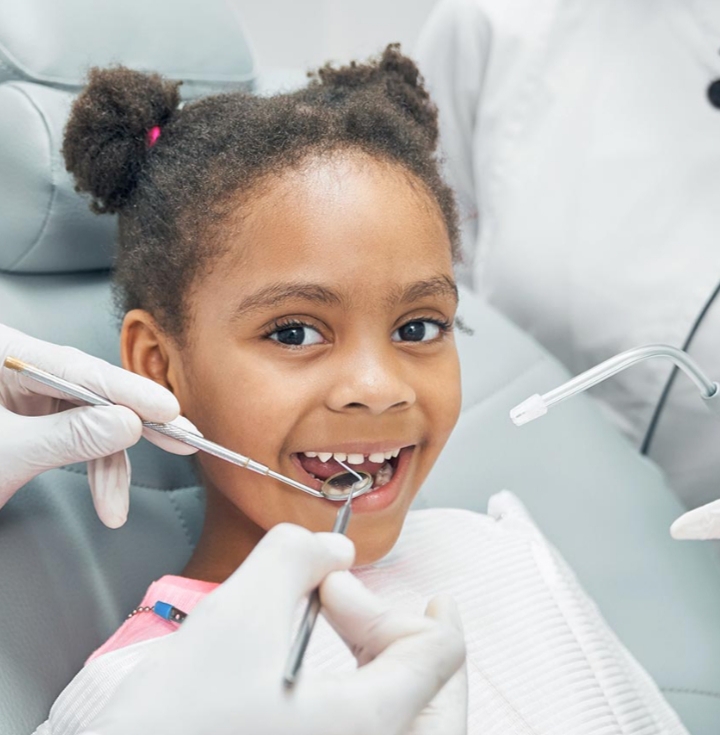
Regular dental checkups are essential for preventing oral health problems. A child’s first dental appointment should take place by the first birthday or within six months after the first tooth appears. Routine examinations allow dentists to identify potential issues early and provide preventive treatments such as professional cleanings, fluoride applications, and dental sealants. Most children benefit from dental visits every six months, although the schedule may vary depending on individual needs.
Protect Teeth from Injury
Children who participate in sports or other physical activities are at greater risk of dental injuries. Wearing properly fitted mouthguards during contact sports and helmets while cycling or skating can help protect their teeth and jaws. Parents should also seek immediate dental attention if a child chips, fractures, or loses a tooth due to an accident.
Discourage Harmful Habits
Some childhood habits can interfere with normal dental development. Thumb sucking, prolonged pacifier use, nail biting, and chewing hard objects such as pencils or ice may affect tooth alignment and jaw growth if they continue for an extended period. Parents should work with their dentist to address these habits when necessary.
Watch for Signs of Dental Problems
Parents should regularly examine their children’s mouths and be alert for warning signs such as tooth pain, swollen or bleeding gums, bad breath, tooth discoloration, sensitivity, or difficulty chewing. Early treatment can prevent more serious complications and preserve oral health.
Make Dental Care Enjoyable
Creating a positive brushing routine encourages children to maintain good oral hygiene. Allowing children to choose colorful toothbrushes, using child-friendly fluoride toothpaste, playing music during brushing, and rewarding consistent brushing habits can make oral care more enjoyable. Brushing together as a family also helps reinforce healthy behaviors.
Be a Positive Role Model
Children often learn by observing their parents. When parents brush and floss regularly, make healthy food choices, and attend routine dental appointments, they set an example that encourages children to adopt similar habits.
Conclusion
Healthy teeth are essential for a child’s physical health, confidence, and overall development. Parents can greatly reduce the risk of dental disease by establishing good oral hygiene habits early, encouraging balanced nutrition, limiting sugary foods and drinks, and ensuring regular dental checkups. With consistent care and guidance, children can develop strong, healthy teeth and maintain excellent oral health throughout their lives.