


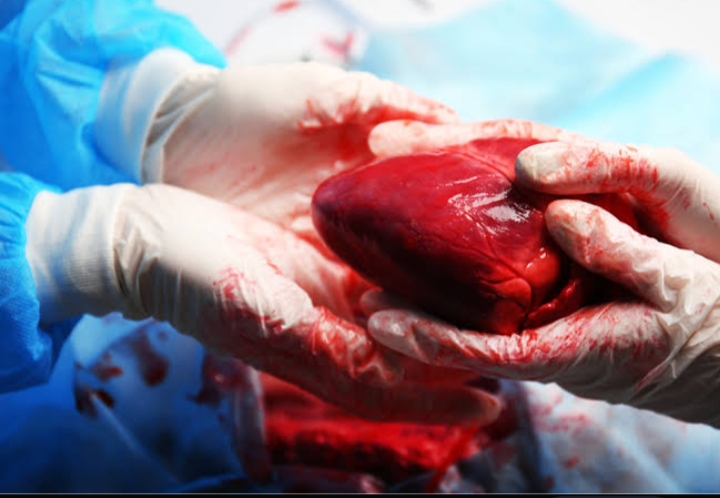
Cardiomyopathy and heart transplantation are closely linked because cardiomyopathy is one of the leading causes of advanced heart failure that may eventually require a heart transplant. While many people with cardiomyopathy can manage their condition with medications, lifestyle changes, and medical devices, some develop severe heart failure despite optimal treatment. In such cases, heart transplantation offers a life-saving option. This article explores the relationship between cardiomyopathy and heart transplantation, including causes, diagnosis, treatment, and outcomes.
Understanding Cardiomyopathy
Cardiomyopathy refers to a group of diseases that affect the heart muscle (myocardium), making it difficult for the heart to pump blood effectively. The condition may weaken the heart muscle, cause it to become abnormally thick or stiff, or alter its electrical activity, increasing the risk of heart failure and life-threatening arrhythmias.
Types of Cardiomyopathy
The major types of cardiomyopathy include:
- Dilated Cardiomyopathy (DCM)
This is the most common type. The heart chambers enlarge and weaken, reducing the heart’s pumping efficiency. Causes include genetic mutations, viral infections, alcohol abuse, certain medications, and metabolic disorders. - Hypertrophic Cardiomyopathy (HCM)
This inherited condition causes abnormal thickening of the heart muscle, particularly the left ventricle. The thickened muscle may obstruct blood flow and increase the risk of sudden cardiac death. - Restrictive Cardiomyopathy
In this less common form, the heart muscle becomes stiff, limiting its ability to fill properly during relaxation while maintaining relatively normal pumping function. - Arrhythmogenic Cardiomyopathy
This inherited disease involves replacement of healthy heart muscle with fibrous and fatty tissue, particularly in the right ventricle, leading to dangerous arrhythmias.
Causes and Risk Factors
Cardiomyopathy may result from:
Genetic inheritance
Viral infections
High blood pressure
Coronary artery disease
Diabetes mellitus
Alcohol or illicit drug abuse
Chemotherapy drugs
Autoimmune diseases
Nutritional deficiencies
Pregnancy (peripartum cardiomyopathy)
Symptoms
Symptoms vary depending on disease severity and may include:
Shortness of breath
Fatigue
Swelling of the legs, ankles, or abdomen
Chest pain
Palpitations
Dizziness or fainting
Reduced exercise tolerance
As the disease progresses, symptoms often become more severe due to worsening heart failure.
Diagnosis
Early diagnosis is important to prevent complications. Common diagnostic tests include:
Medical history and physical examination
Electrocardiogram (ECG)
Echocardiography
Chest X-ray
Cardiac magnetic resonance imaging (MRI)
Blood tests
Exercise stress testing
Coronary angiography when indicated
Genetic testing for inherited forms
Treatment of Cardiomyopathy
Treatment depends on the type and severity of the disease.
Medications
Common medications include:
ACE inhibitors or angiotensin receptor blockers (ARBs)
Angiotensin receptor-neprilysin inhibitors (ARNIs)
Beta-blockers
Mineralocorticoid receptor antagonists
Sodium-glucose cotransporter-2 (SGLT2) inhibitors
Diuretics
Antiarrhythmic medications
Anticoagulants when indicated
Lifestyle Modifications
Patients are encouraged to:
Follow a heart-healthy diet
Reduce sodium intake
Exercise under medical supervision
Maintain a healthy weight
Avoid smoking
Limit alcohol consumption
Control diabetes and hypertension
Device Therapy
Some patients benefit from:
Implantable cardioverter-defibrillators (ICDs)
Cardiac resynchronization therapy (CRT)
Mechanical circulatory support such as left ventricular assist devices (LVADs)
When Is a Heart Transplant Needed?
A heart transplant is considered for patients with end-stage heart failure whose symptoms persist despite maximal medical and device therapy.
Common indications include:
Severe dilated cardiomyopathy
Advanced hypertrophic cardiomyopathy
Restrictive cardiomyopathy with severe symptoms
Refractory heart failure
Poor quality of life despite treatment
Recurrent hospitalizations for heart failure
Dependence on intravenous medications or mechanical circulatory support
Before transplantation, patients undergo extensive evaluation to determine whether they are suitable candidates.
Heart Transplant Evaluation
Evaluation includes assessment of:
Severity of heart disease
Kidney and liver function
Lung health
Presence of infections
Cancer screening
Psychological readiness
Nutritional status
Social support
Ability to adhere to lifelong treatment
Patients with active infections, advanced cancer, severe irreversible organ dysfunction, or ongoing substance abuse may not be eligible until these issues are addressed.
The Heart Transplant Procedure
Heart transplantation involves removing the diseased heart and replacing it with a healthy donor heart.
The surgery generally includes:
Administration of general anesthesia.
Connection to a heart-lung bypass machine.
Removal of the failing heart while preserving portions of the atria.
Implantation of the donor heart.
Restoration of blood circulation and heart function.
The operation usually lasts between four and six hours, although this varies depending on individual circumstances.
Recovery After Heart Transplant
Patients initially recover in the intensive care unit before moving to a specialized cardiac ward.
Recovery focuses on:
Monitoring heart function
Preventing infection
Managing pain
Early mobilization
Cardiac rehabilitation
Nutritional counseling
Patient education
Most recipients require several weeks to months before returning to normal daily activities.
Immunosuppressive Therapy
Because the immune system recognizes the transplanted heart as foreign, lifelong immunosuppressive medications are necessary.
Common drug classes include:
Calcineurin inhibitors
Antimetabolites
Corticosteroids
mTOR inhibitors in selected patients
Strict adherence to these medications is essential to prevent rejection.
Potential Complications
Although transplantation can dramatically improve survival and quality of life, complications may occur.
These include:
Acute rejection
Chronic rejection (cardiac allograft vasculopathy)
Infections
Kidney dysfunction
Hypertension
Diabetes
Osteoporosis
Increased risk of certain cancers due to long-term immunosuppression
Regular follow-up helps detect and manage these complications early.
Long-Term Outcomes
Advances in surgical techniques, immunosuppressive therapy, and post-transplant care have significantly improved outcomes.
Many heart transplant recipients:
Experience major improvements in quality of life.
Return to work or school.
Resume moderate physical activity.
Live for many years after transplantation.
Long-term success depends on medication adherence, regular medical follow-up, healthy lifestyle choices, and early recognition of complications.
Future Directions
Research continues to improve treatment options for cardiomyopathy and transplantation through:
Gene-targeted therapies
Regenerative medicine using stem cells
Artificial hearts and next-generation ventricular assist devices
Improved organ preservation techniques
Precision immunosuppressive therapies
Xenotransplantation using genetically modified animal organs
These advances may expand treatment options and improve survival for patients with advanced heart disease.
Conclusion
Cardiomyopathy is a significant cause of heart failure and remains one of the leading reasons for heart transplantation worldwide. Early diagnosis, evidence-based medical therapy, lifestyle modifications, and device-based treatments can successfully manage many patients and delay disease progression. However, for individuals with end-stage heart failure who no longer respond to conventional therapies, heart transplantation offers the possibility of prolonged survival, improved physical function, and a substantially better quality of life. Ongoing advances in cardiovascular medicine, transplantation science, and regenerative therapies continue to improve outcomes and provide hope for patients living with advanced cardiomyopathy.