


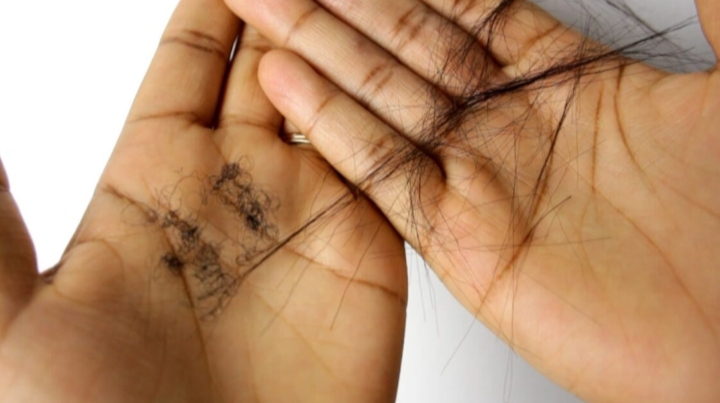
Seeing hair fall out can be alarming, but it’s important to know whether you’re dealing with normal shedding or hair breakage. Although they may look similar at first glance, they have different causes and require different approaches to treatment.
What Is Hair Shedding?
Hair shedding is a natural process that occurs as part of the hair growth cycle. It’s normal to lose dozens of hairs each day as older strands make way for new growth.
Signs of Hair Shedding
- Hair falls out from the root.
- A small white bulb is visible at one end of the strand.
- The hair is typically full length.
- Increased hair may be noticed in the shower, on pillows, or in hairbrushes.
Common Causes
- Physical or emotional stress
- Hormonal fluctuations
- Illness or recovery from illness
- Pregnancy and postpartum changes
- Poor nutrition or nutrient deficiencies
- Certain medications
What Is Hair Breakage?
Hair breakage happens when strands become weak and snap before completing their natural growth cycle.
Signs of Hair Breakage
- Hair pieces are shorter than your normal length.
- No white bulb is attached to the strand.
- Hair may appear dry, frizzy, or brittle.
- Split ends and uneven lengths are common.
Common Causes
- Frequent heat styling
- Chemical treatments such as coloring or relaxing
- Tight hairstyles that create tension
- Over-manipulation or rough handling
- Lack of moisture and protein balance
How to Identify the Difference
| Hair Shedding | Hair Breakage |
|---|---|
| Falls out from the root | Breaks along the hair shaft |
| White bulb at the end | No bulb present |
| Usually full-length strands | Short, uneven strands |
| Part of the normal hair cycle | Often caused by damage |
| Affects overall hair density | Affects hair strength and length retention |
What Can You Do?
For shedding, focus on maintaining a healthy lifestyle, managing stress, and ensuring you’re getting essential nutrients. If hair loss becomes excessive or persistent, seeking medical advice may be helpful.
For breakage, adopt a gentler hair care routine, minimize heat and chemical exposure, keep hair moisturized, and avoid styles that place excessive tension on the strands.
Final Thoughts
A simple way to distinguish between shedding and breakage is to inspect the strand itself. If it has a small white bulb at the end, it likely shed naturally from the root. If the strand is shorter and lacks a bulb, it is more likely the result of breakage. Recognizing the difference can help you choose the most effective strategy for healthier, stronger hair.