


Introduction
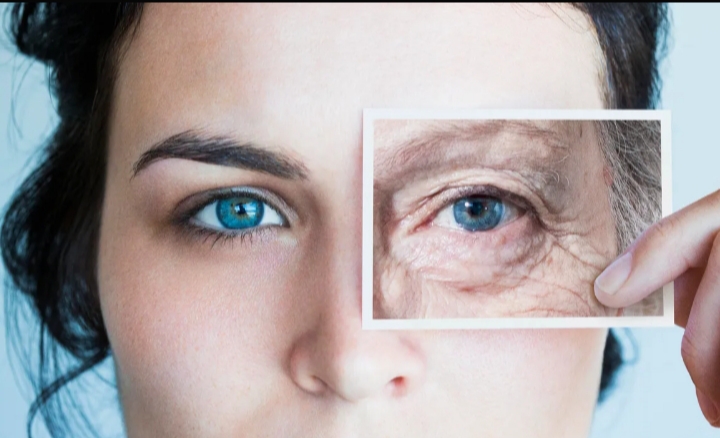
With the increasing use of smartphones, laptops, tablets, and other digital devices, many people have become concerned about the possible effects of blue light on skin health. A common question is whether long hours in front of screens can accelerate the aging process. Although research suggests that blue light may affect the skin in certain ways, the evidence indicates that the amount emitted by electronic devices is relatively low compared with natural sunlight. Understanding the facts can help separate genuine concerns from common misconceptions.
Understanding Blue Light
Blue light is a form of visible light with a short wavelength and high energy. It occurs naturally in sunlight and is also produced by LED lighting, televisions, smartphones, tablets, and computer screens. Since people spend a considerable amount of time using digital devices, researchers have investigated whether repeated exposure could have long-term effects on skin health.
How Blue Light May Affect the Skin
Studies have shown that blue light can contribute to oxidative stress, a process in which unstable molecules damage skin cells. This may reduce the strength of collagen and elastin, two proteins that help maintain the skin’s firmness and elasticity. Some research also suggests that blue light can increase skin pigmentation, particularly in individuals with darker complexions. However, the intensity of blue light from electronic devices is much lower than that from the sun, making everyday screen exposure a less significant source of concern.
Other Major Causes of Skin Aging
Although blue light has attracted attention, several other factors are known to have a much greater impact on skin aging. These include:
Excessive exposure to ultraviolet (UV) radiation from the sun.
Cigarette smoking and frequent alcohol consumption.
Poor nutrition and inadequate hydration.
Insufficient sleep.
Ongoing stress.
Exposure to environmental pollutants.
Addressing these well-established causes is generally more effective for maintaining healthy skin than focusing solely on blue light from screens.
Ways to Protect Your Skin
There are several practical steps you can take to keep your skin healthy and reduce the effects of environmental damage:
Apply a broad-spectrum sunscreen every day to protect against UV rays.
Use skincare products containing antioxidants, such as vitamins C and E, to help combat oxidative stress.
Moisturize regularly to support the skin’s natural protective barrier.
Reduce unnecessary screen time and take regular breaks during prolonged device use.
Follow a nutritious diet rich in fruits, vegetables, and healthy fats.
Drink enough water to keep the skin properly hydrated.
Is Blue Light a Serious Risk?
Based on current scientific evidence, blue light from smartphones, computers, and other digital screens is unlikely to be a major cause of premature skin aging for most people. Natural sunlight remains the largest source of blue light exposure, and ultraviolet radiation continues to be the leading environmental factor responsible for skin damage and visible signs of aging. While research on blue light is ongoing, experts generally agree that sun protection and healthy skincare habits should remain the top priorities.
Conclusion
Blue light can affect the skin under certain circumstances, but the amount emitted by everyday electronic devices is relatively small compared with sunlight. As a result, most people do not need to be overly concerned about screen-related blue light causing significant skin aging. Instead, protecting the skin from UV radiation, maintaining a healthy lifestyle, and following a consistent skincare routine are the most effective ways to preserve youthful and healthy-looking skin over time.