


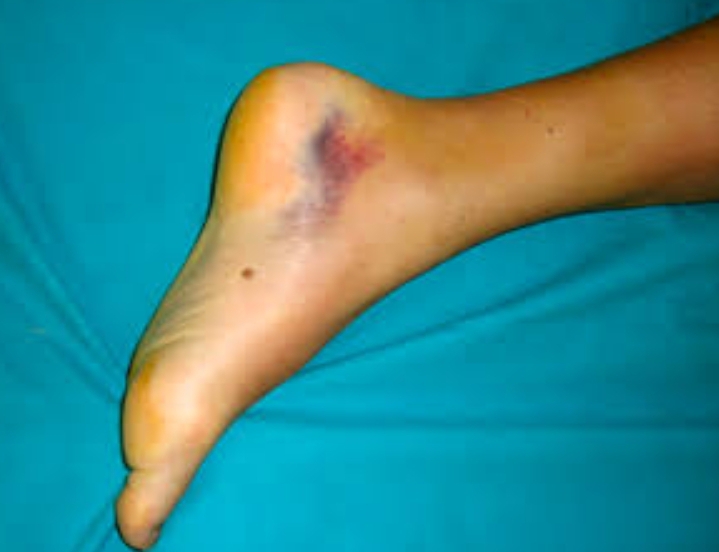
An Achilles tendon rupture is a significant injury in which the tendon connecting the calf muscles to the heel tears. This tendon is essential for movements like walking, running, and jumping, so damage to it can greatly limit mobility.
This injury usually occurs during activities that involve sudden bursts of movement, such as sprinting, jumping, or quickly changing direction. It is more common in people who are physically active but not consistently trained, or those who suddenly increase the intensity of their workouts.
Typical symptoms include a sudden sharp pain in the back of the ankle or calf, sometimes accompanied by a popping or snapping sound. Many people describe the sensation as feeling like they were struck in the back of the leg. Swelling, bruising, difficulty walking, and an inability to stand on tiptoe are also common signs.
Doctors typically diagnose the injury through a physical examination, sometimes supported by imaging tests like ultrasound or MRI. Early diagnosis is important for effective treatment.
Treatment can be either non-surgical or surgical, depending on the individual. Non-surgical treatment involves immobilizing the foot in a cast or boot and gradually restoring movement through physical therapy. Surgical treatment involves stitching the torn tendon back together and is often recommended for younger or more active individuals.
Recovery takes several months and usually includes physical therapy to restore strength, flexibility, and balance. Most people can return to normal activities within four to twelve months, depending on the severity of the injury and the treatment approach.
Pain can be managed with medications such as , under proper medical guidance.
Although not all cases can be prevented, the risk can be reduced by warming up before exercise, increasing activity levels gradually, strengthening the calf muscles, and wearing appropriate footwear.
Anyone who experiences sudden pain in the back of the ankle along with difficulty walking should seek medical attention promptly, as early treatment improves recovery outcomes.