


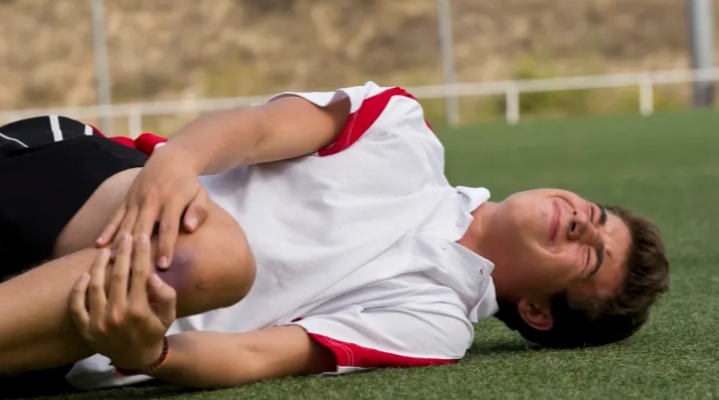
Cartilage injuries are becoming more common among young athletes as more children and teenagers engage in organized sports at an early age. Since cartilage is essential for smooth joint movement, any damage to it can affect performance, cause discomfort, and, if not properly treated, lead to long-term joint issues.
Understanding Cartilage and Its Importance
Cartilage is a soft, elastic tissue that covers the ends of bones within joints. It helps reduce friction and absorbs shock during movement. In joints like the knees, hips, and ankles, cartilage plays a key role in allowing smooth and stable motion.
One major concern with cartilage is its limited ability to repair itself because it does not have a strong blood supply.
Types of Cartilage Injuries
Young athletes can experience several forms of cartilage damage, such as:
- Injuries to the articular cartilage that lines joint surfaces
- Meniscus tears in the knee, which affect the cushioning cartilage
- Developmental conditions like , where a fragment of bone and cartilage may separate within the joint
These injuries may occur on their own or alongside ligament damage.
Causes and Risk Factors
Cartilage injuries often result from:
- Repeated stress due to intense or frequent training
- Sudden movements like twisting or heavy impact
- Improper training methods or lack of warm-up
- Early specialization in one sport without enough rest
- Growth spurts, when bones develop faster than surrounding tissues
High-impact sports such as football, basketball, and gymnastics tend to increase the risk.
Signs and Symptoms
Symptoms may develop gradually and can include:
- Pain in the joint during or after activity
- Swelling or stiffness
- Sensations of clicking, locking, or catching
- Limited joint movement
- Difficulty putting weight on the affected area
Because these symptoms can be mild initially, young athletes may ignore them, which can worsen the injury.
Diagnosis
Timely diagnosis is important to prevent further damage. Doctors usually rely on physical examinations and imaging tests like MRI scans to evaluate the condition. In some cases, arthroscopy may be used to examine the joint more closely.
Treatment Approaches
The choice of treatment depends on how severe the injury is.
Non-surgical options include rest, physiotherapy, and modifying activities to allow healing and restore function. Medications may also help reduce pain and inflammation.
More serious cases may require surgery to repair or replace damaged cartilage. Modern procedures, including cartilage restoration techniques, have improved recovery outcomes for young athletes.
Prevention
Reducing the risk of cartilage injuries involves:
- Avoiding overtraining and allowing adequate rest
- Performing proper warm-up and stretching routines
- Wearing suitable sports gear
- Balancing training intensity with growth and development
- Encouraging participation in multiple sports instead of early specialization
Parents, coaches, and athletes all have a role in promoting safe practices.
Long-Term Effects
If not treated properly, cartilage injuries can result in chronic joint problems, including early development of . This highlights the importance of early care and proper rehabilitation.
Conclusion
Cartilage injuries in young athletes are an important health concern but can be effectively managed with early detection and appropriate treatment. By understanding the risks, recognizing symptoms, and taking preventive steps, young athletes can maintain healthy joints and continue to participate safely in sports.