


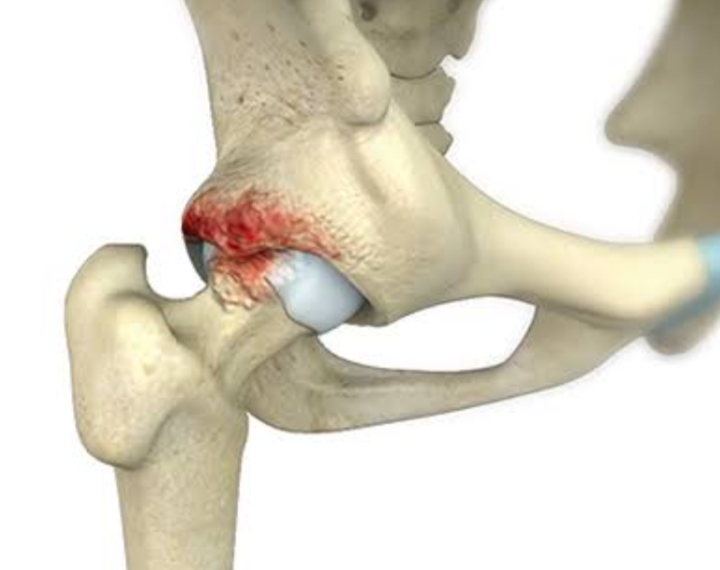
Hip impingement, medically called femoroacetabular impingement, is a condition where the bones of the hip joint do not fit together smoothly. This mismatch causes abnormal contact between the ball of the thigh bone and the hip socket, which can lead to pain, irritation, and gradual joint damage over time.
It is commonly seen in young athletes because many sports involve repeated hip movements such as bending, twisting, and rapid direction changes. Activities like football, basketball, gymnastics, and dance place extra stress on the hip joint and may increase the likelihood of developing the condition.
The symptoms often develop slowly. Athletes usually notice pain in the groin or front of the hip, especially during exercise or after intense activity. Movements such as squatting, running, or sitting for long periods may make the discomfort worse. Some people may also feel stiffness, reduced flexibility, or a catching or clicking sensation in the hip joint.
To diagnose the condition, healthcare professionals perform a physical examination and may request imaging tests like X-rays or MRI scans. These help to detect bone shape abnormalities and check for any soft tissue damage inside the joint.
Treatment often begins without surgery. This includes reducing activities that trigger pain, undergoing physiotherapy, and doing exercises that improve hip strength and movement. Pain relief medications such as may also be used when necessary.
If symptoms do not improve, surgical treatment may be recommended. A minimally invasive procedure called hip arthroscopy can reshape the bone and repair damaged tissue, helping the joint move more normally.
Recovery depends on the severity of the condition and the type of treatment used. Rehabilitation is very important and usually involves a gradual return to sports under supervision to avoid further injury.
While hip impingement cannot always be prevented, especially when bone structure plays a role, athletes can lower their risk by maintaining flexibility, strengthening hip muscles, and avoiding overuse. Early diagnosis and proper management are essential for protecting long-term hip health and athletic performance.