


Hair is closely tied to personal confidence, so noticing excessive shedding can be concerning. While losing some hair daily is completely normal, significant hair loss may point to factors like stress, inadequate nutrition, hormonal changes, or poor hair care habits. Fortunately, with the right lifestyle and care routine, you can minimize hair loss and support stronger, healthier growth.
A key foundation for healthy hair is proper nutrition. Hair depends on essential nutrients to grow and remain strong. Eating a well-balanced diet that includes protein-rich foods, vitamins, and minerals can make a noticeable difference. Items such as eggs, fish, vegetables, nuts, and fruits supply important nutrients like biotin, iron, zinc, and vitamins A, C, and E. Drinking enough water also helps keep hair hydrated and less prone to damage.
Taking care of your scalp is just as important as caring for your hair. A clean, healthy scalp provides the right conditions for growth. Washing regularly with mild products removes buildup and excess oils that may block hair follicles. Gentle scalp massages can also boost blood flow, helping nutrients reach the roots more effectively.
Managing stress is another crucial factor. High stress levels can interfere with the natural hair growth cycle, leading to increased shedding. Activities such as exercise, meditation, or simple relaxation techniques can help reduce stress and support overall hair health.
It’s also important to avoid damaging hair practices. Excessive heat styling, tight hairstyles, and chemical treatments can weaken hair strands and cause breakage or thinning. Choosing protective styles, reducing heat use, and applying nourishing products can help maintain stronger hair.
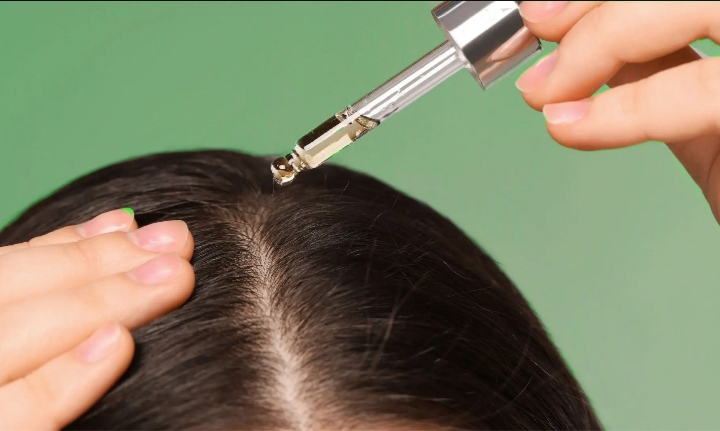
Natural treatments may further support hair care. Oils like coconut, castor, and argan oil are often used to moisturize and strengthen hair. When applied with gentle massage, they may improve circulation and contribute to healthier growth over time.
Sometimes, hair loss may be associated with medical conditions such as Alopecia or Thyroid Disorders. If the problem continues or worsens, consulting a medical professional is advisable to determine the underlying cause and appropriate treatment.
Consistency is essential in any hair care routine. Although results may take time, maintaining good habits will gradually lead to improvement. By focusing on proper nutrition, scalp care, and gentle handling of your hair, you can reduce hair loss and promote steady, natural growth.
In the end, achieving healthy hair involves a holistic approach. Caring for your body, managing stress, and adopting healthy routines all contribute to stronger, more resilient hair and overall well-being.