


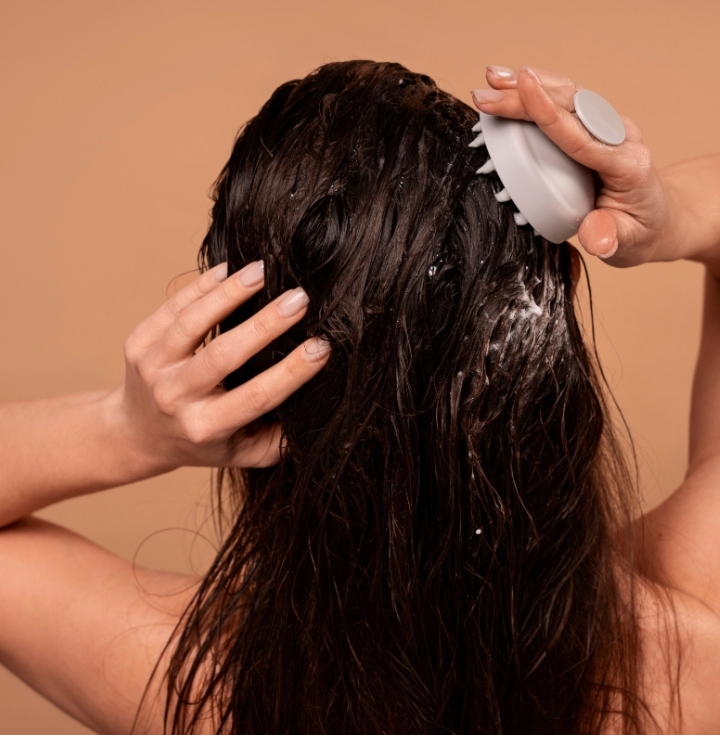
When it comes to hair care, much attention is often given to shampoos, conditioners, and styling products, while the health of the scalp is sometimes overlooked. However, the scalp plays a crucial role in hair growth and overall hair quality. One essential but often neglected practice is scalp exfoliation. Just as exfoliating the skin on your face and body helps remove dead cells and promote renewal, exfoliating the scalp is key to maintaining a healthy foundation for strong, vibrant hair.
What is Scalp Exfoliation?
Scalp exfoliation is the process of removing dead skin cells, excess oil, product buildup, and impurities from the scalp. This can be done using physical exfoliants, such as scrubs, or chemical exfoliants that contain ingredients like alpha hydroxy acids (AHAs) or beta hydroxy acids (BHAs). The goal is to deeply cleanse the scalp and create an optimal environment for hair follicles to function properly.
Why Scalp Health Matters
The scalp is essentially an extension of the skin, and its condition directly affects hair growth. When the scalp is clogged with oil, dirt, and product residue, hair follicles can become blocked, potentially leading to issues such as dandruff, itchiness, and even hair thinning. Maintaining a clean and balanced scalp supports healthy hair growth and improves the overall appearance of the hair.
Benefits of Scalp Exfoliation
One of the primary benefits of scalp exfoliation is the removal of buildup. Hair products such as gels, oils, and sprays can accumulate over time, making the scalp feel heavy and congested. Exfoliation clears this buildup, allowing the scalp to breathe and function more effectively.
Another important benefit is improved blood circulation. The act of massaging the scalp during exfoliation stimulates blood flow, which helps deliver essential nutrients to the hair follicles. This can encourage stronger and healthier hair growth.
Scalp exfoliation also helps reduce dandruff and flakiness by removing dead skin cells that contribute to these conditions. Additionally, it can help balance oil production, making it beneficial for both oily and dry scalp types.
Types of Scalp Exfoliation
There are two main types of scalp exfoliation:
- Physical Exfoliation: This involves using scrubs with small granules to manually remove buildup. It provides immediate results but should be done gently to avoid irritation.
- Chemical Exfoliation: This method uses acids or enzymes to dissolve dead skin cells and excess oil. It is often gentler and more suitable for sensitive scalps when used correctly.
Choosing the right method depends on your scalp type and personal preference.
How Often Should You Exfoliate Your Scalp?
Scalp exfoliation should be done in moderation. For most people, once a week or every two weeks is sufficient. Over-exfoliating can lead to irritation, dryness, and damage to the scalp barrier. It is important to listen to your scalp and adjust the frequency as needed.
Tips for Effective Scalp Exfoliation
- Choose products that suit your scalp type
- Be gentle to avoid damaging the scalp
- Follow up with a hydrating shampoo and conditioner
- Avoid exfoliating if your scalp is irritated or has open wounds
- Maintain a consistent but balanced routine
Common Mistakes to Avoid
One common mistake is exfoliating too frequently, which can strip the scalp of its natural oils. Another is using harsh scrubs that cause micro tears in the skin. It is also important not to neglect moisturizing the scalp after exfoliation, as hydration is essential for maintaining balance.
Scalp exfoliation is an important step in achieving healthy hair and a well maintained scalp. By removing buildup, improving circulation, and supporting a balanced environment, it helps create the ideal conditions for hair growth. When done correctly and in moderation, scalp exfoliation can significantly enhance both scalp health and hair quality, making it a valuable addition to any hair care routine.