


Introduction
Spinal cord injury (SCI) refers to damage to the spinal cord that disrupts movement, sensation, or both. Since the spinal cord serves as the main communication pathway between the brain and the rest of the body, even minor damage can lead to serious effects.
Structure and Function of the Spinal Cord
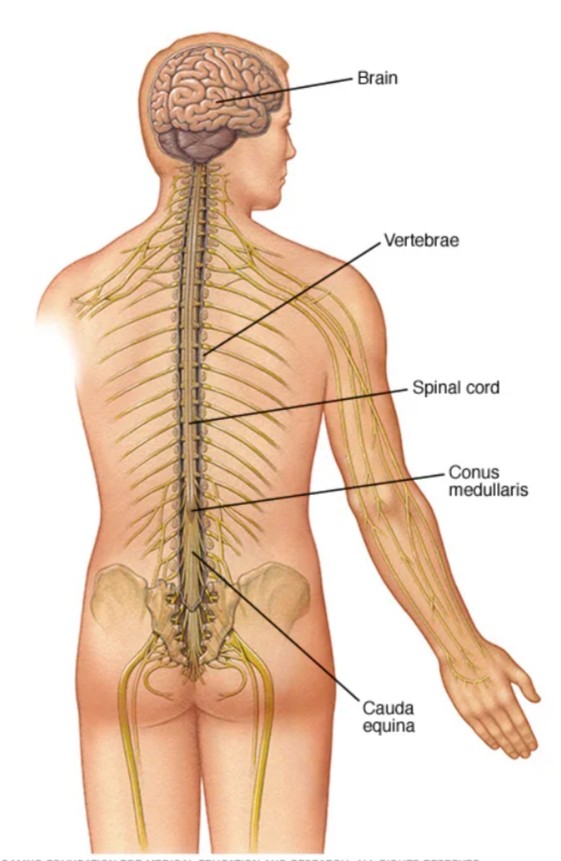
The spinal cord is a long structure made of nerve tissue that extends from the base of the brain down through the spine. It is protected by the vertebrae and is responsible for transmitting signals related to movement, sensation, and automatic body functions like breathing, heart rate, and bladder control.
Causes of Spinal Cord Injury
Spinal cord injuries can occur due to traumatic or non-traumatic causes. Traumatic causes include events such as road accidents, falls, sports-related injuries, and acts of violence. Non-traumatic causes are linked to medical conditions like tumors, infections, degenerative disorders, or reduced blood supply to the spinal cord.
Types of Spinal Cord Injury
There are two main types of spinal cord injuries. A complete injury results in a total loss of movement and sensation below the affected area, while an incomplete injury allows for some remaining function or sensation.
Levels of Injury
The impact of the injury depends on its location along the spinal cord. Injuries in the cervical region (neck) can affect both the arms and legs and may interfere with breathing. Thoracic injuries mainly affect the chest and legs, while lumbar injuries impact the lower body. Injuries in the sacral region typically influence pelvic functions and parts of the lower limbs.
Symptoms
Symptoms of spinal cord injury vary but often include loss of movement, reduced or absent sensation, breathing difficulties, lack of bladder or bowel control, muscle spasms, and pain or pressure in the back or neck.
Diagnosis
Diagnosis usually involves physical and neurological examinations along with imaging techniques such as X-rays, CT scans, or MRI scans to determine the severity and location of the injury.
Treatment and Management
Although there is no complete cure for spinal cord injury, treatment aims to prevent further damage and support recovery. Immediate care may involve stabilizing the spine, emergency medical intervention, and possibly surgery. Long-term management focuses on therapies, medications, and the use of assistive devices to improve daily functioning.
Rehabilitation
Rehabilitation plays an essential role in helping individuals regain independence. It may include physical training, learning daily living skills, emotional support, and assistance with returning to normal social life.
Complications
Complications can arise over time, including pressure sores, infections, blood clots, breathing issues, and mental health challenges such as depression.
Prevention
Preventive measures include practicing safe driving, using seat belts, wearing protective gear during sports, and reducing the risk of falls.
Conclusion
Spinal cord injury is a serious condition that can significantly affect a person’s life. However, with early treatment, proper rehabilitation, and strong support systems, many individuals are able to adapt and maintain a good quality of life.