


Introduction
Peroneal tendon tears are injuries that affect the tendons on the outer side of the ankle. These tendons are important for foot stability and smooth movement during activities like walking and running. When they are damaged, it can result in pain, weakness, and difficulty moving the ankle properly.
Anatomy of the Peroneal Tendons
The peroneal tendons consist of the peroneus longus and peroneus brevis muscles. They run behind the outer ankle bone and help move the foot outward while also supporting the arch. Their function is especially important for maintaining balance and ankle stability during physical activities.
Causes of Peroneal Tendon Tears
These injuries may occur suddenly or develop gradually over time. Common causes include ankle sprains, particularly when the ankle twists inward, repeated stress from activities such as running or jumping, and long-term ankle instability. Certain foot structures or unsuitable footwear can also increase the risk.
Types of Peroneal Tendon Tears
Peroneal tendon tears are usually divided into two categories. Acute tears happen suddenly due to injury, while chronic tears develop slowly as a result of ongoing stress and wear on the tendons.
Symptoms
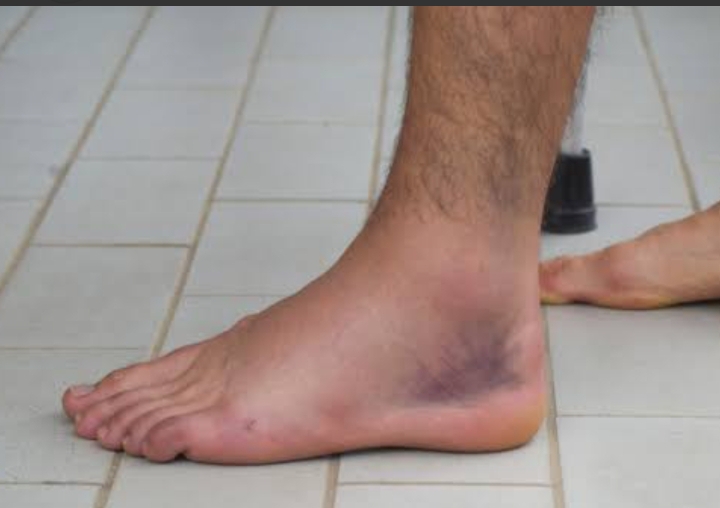
People with this condition may experience pain on the outer side of the ankle, swelling, tenderness, and a sense of instability. Some may feel a snapping sensation or notice weakness when moving the foot. In long-standing cases, symptoms may begin mildly and worsen over time.
Diagnosis
Diagnosis involves a physical examination and assessment of medical history. Imaging tests such as ultrasound or MRI scans are commonly used to confirm the injury and determine its severity.
Treatment and Management
The approach to treatment depends on how severe the tear is. Mild cases can often be treated with rest, ice, compression, and elevation, along with medications to reduce inflammation and physical therapy. In some cases, the ankle may need to be immobilized with a brace or cast. Severe injuries or those that do not improve may require surgery.
Rehabilitation
Recovery involves rehabilitation to restore strength, flexibility, and stability in the ankle. Physical therapy plays a key role in helping individuals regain normal function and prevent future injuries. The length of recovery varies based on the severity of the condition and the treatment method used.
Complications
If not properly treated, this condition can lead to ongoing pain, repeated ankle instability, and reduced ability to perform physical activities. Long-term damage may also occur in some cases.
Prevention
To reduce the risk, it is important to strengthen the ankle, wear appropriate footwear, warm up before exercise, and treat ankle injuries promptly. Those with previous ankle problems should be especially cautious.
Conclusion
Peroneal tendon tears can significantly affect ankle function and cause discomfort, particularly in active individuals. Early recognition and proper treatment are important for recovery. With adequate care and rehabilitation, most people can return to their usual activities and lower the chance of reinjury.