


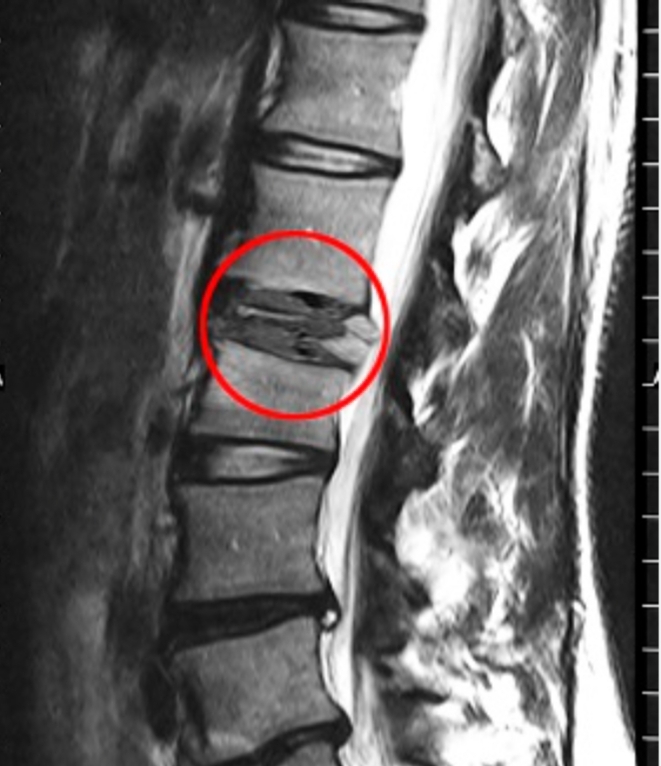
Pathologic fractures are bone breaks that happen with little or no trauma because the bone has already been weakened by disease. Unlike normal fractures caused by strong forces such as falls or accidents, these can occur during simple daily activities like walking, bending, or even coughing. Understanding the causes and effects of weakened bones is important for proper prevention and treatment.
A fracture is considered pathologic when it occurs in a bone that has been damaged by an underlying condition. Healthy bones are strong, but certain diseases reduce their strength, making them fragile and more likely to break.
Several conditions can lead to weakened bones. is the most common, causing bones to become thin and brittle. can destroy bone tissue, whether it starts in the bone or spreads from another part of the body. weakens bone through infection, while leads to abnormal bone formation. causes excessive loss of calcium from bones. Poor nutrition, especially lack of calcium and vitamin D, can also contribute.
Bones are constantly being broken down and rebuilt. When disease disrupts this process, bone density decreases or the structure becomes abnormal. As a result, even minor stress can cause a fracture. These fractures often occur in the spine, hips, ribs, and long bones such as the femur.
Some people may experience warning signs before a fracture occurs, including persistent bone pain, swelling, tenderness, or reduced movement. In some cases, especially with osteoporosis, a fracture may be the first sign of a problem.
Diagnosis usually involves imaging tests such as X-rays, CT scans, or MRIs to confirm the fracture. Bone density tests help detect osteoporosis, while blood tests can reveal infections or hormonal imbalances. A biopsy may be needed if cancer is suspected.
Treatment focuses on both repairing the fracture and managing the underlying cause. Fractures may be treated with casts, braces, or surgery using metal supports. Pain relief is also important. The underlying condition may require medications, antibiotics, cancer treatment, or hormone therapy depending on the cause.
Prevention involves maintaining strong bones through adequate calcium and vitamin D intake, regular exercise, and avoiding harmful habits like smoking and excessive alcohol use. Early screening and treatment of bone diseases also help reduce the risk.
Pathologic fractures are serious because they often indicate an existing medical condition. Early detection and proper management are essential to prevent complications and maintain quality of life.