


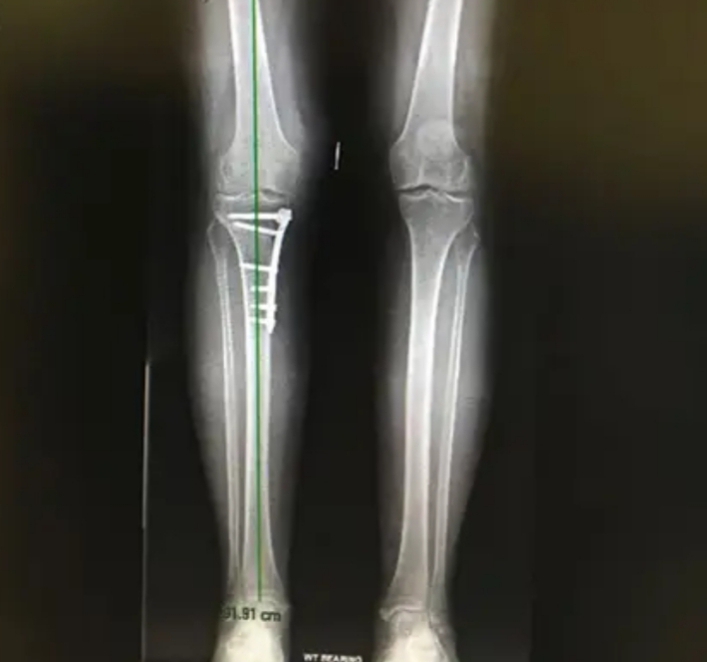
For individuals with knee pain due to uneven joint wear, especially younger and more active patients, total knee replacement may not always be the best first option. Knee osteotomy provides an alternative by preserving the natural joint. Instead of replacing the knee, this procedure adjusts bone alignment to shift weight away from the damaged area, helping to reduce pain and extend joint function.
In , knee osteotomy is recognized as a joint-preserving technique aimed at improving mobility and postponing knee replacement.
Knee problems often arise from conditions like , where damage is usually concentrated in one part of the joint, often the inner side. This uneven wear increases pressure on the affected area, leading to discomfort, stiffness, and reduced movement. Over time, the imbalance worsens joint degeneration.
Knee osteotomy involves cutting and reshaping either the tibia or femur to correct alignment. By redistributing body weight toward the healthier side of the knee, the procedure reduces stress on the damaged portion. This realignment can relieve pain, slow further damage, and improve overall function.
There are two main forms of the procedure. High tibial osteotomy is performed on the upper shinbone, while distal femoral osteotomy targets the lower thighbone. The choice depends on where the damage is located and how the knee is misaligned.
The goal of the surgery is to correct inward or outward angling of the leg, which concentrates force on one side of the joint. By adjusting this alignment, pressure is more evenly distributed, allowing the healthier cartilage to bear more load.
This procedure is most suitable for younger patients with damage limited to one area of the knee, good joint movement, and relatively early-stage arthritis. It is less effective in cases where the entire joint is affected.
During surgery, the bone is either opened to create a gap or reshaped by removing a wedge. The new position is stabilized using metal plates and screws. Recovery includes a period of reduced weight-bearing, followed by physiotherapy to restore strength and mobility. Most patients gradually return to normal activities over time.
Knee osteotomy offers several benefits. It preserves the natural joint, allows continued physical activity, and can significantly delay the need for knee replacement. However, it does not permanently stop joint degeneration, and some patients may eventually require further surgery.
Overall, knee osteotomy is a valuable option for managing knee pain caused by uneven wear. By correcting alignment and reducing stress on damaged areas, it can improve quality of life and extend the functional lifespan of the knee joint.