


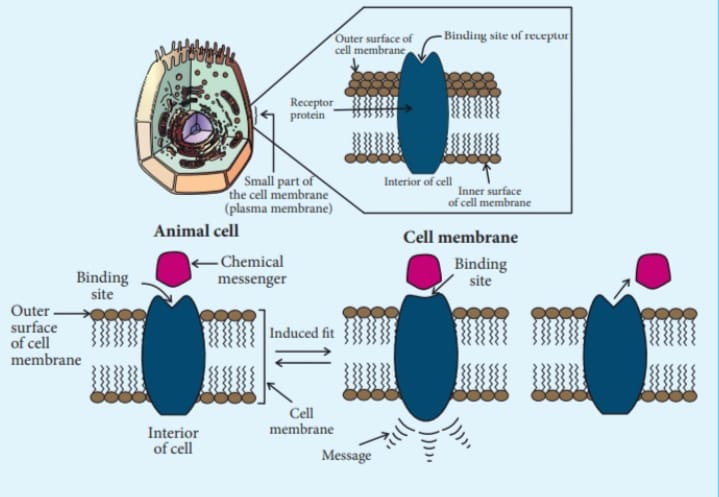
Whenever you take a medication—whether it’s for pain relief, infection, or managing blood pressure—it doesn’t act randomly. Instead, it works through a highly specific system where drugs interact with particular biological targets known as drug receptors. These interactions determine how a medicine produces its effect in the body.
What Are Drug Receptors?
Drug receptors are specialized protein structures found on cell surfaces or inside cells. They serve as binding sites for chemical signals produced by the body or introduced through medication.
When a drug attaches to a receptor, it triggers a specific response, either activating a biological process or blocking one, depending on the drug’s purpose.
The Lock-and-Key Concept
The relationship between drugs and receptors is often described using the lock-and-key theory.
- The receptor acts as the lock
- The drug functions as the key
Only a drug with the correct molecular shape and chemical properties can successfully bind to a specific receptor. This is why even slight changes in a drug’s structure can significantly affect its effectiveness.
How Drugs Reach Their Targets
After administration, drugs are absorbed and carried through the bloodstream. They do not actively search for receptors; instead, they bind when they randomly come into contact with their matching target.
Several factors influence this process, including:
- Blood flow throughout the body
- Chemical characteristics of the drug
- Ability of the drug to dissolve in tissues
- Presence and accessibility of receptors
Binding occurs only when the drug and receptor are compatible.
Major Types of Drug Receptors
There are different classes of receptors involved in drug action:
1. Cell Membrane Receptors
These are located on the outer surface of cells and interact with drugs that cannot enter the cell directly. Many medications for allergies and pain act on these receptors.
2. Internal (Intracellular) Receptors
Found inside cells, these receptors are activated by drugs that can pass through cell membranes, such as steroid-based medicines. They often influence gene expression.
3. Ion Channel Receptors
These regulate the movement of ions like calcium, sodium, or potassium in and out of cells. Certain anesthetics and neurological drugs act by modifying these channels.
4. Enzyme-Associated Receptors
When activated, these receptors trigger enzyme activity inside the cell, playing key roles in processes like growth and immune responses.
Agonists vs. Antagonists
Drugs interacting with receptors can behave differently:
- Agonists stimulate receptors and produce a biological effect.
- Antagonists bind to receptors but block them, preventing activation by natural substances or other drugs.
For instance, some medicines reduce pain by activating pathways, while others relieve allergies by blocking histamine receptors.
Why Specificity Is Important
The ability of drugs to target specific receptors is crucial for effective treatment. However, if a drug binds to unintended receptors, it may lead to unwanted side effects.
This is why modern drug design focuses on improving selectivity and precision.
Role in Modern Healthcare
Knowledge of drug-receptor interactions has greatly advanced medicine by enabling:
- More precise therapies
- Reduced side effects
- Targeted treatment approaches, including in cancer care
- Development of personalized medical treatments
Conclusion
Drug receptors are central to how medications work within the body. Through precise molecular interactions, drugs can influence biological processes and restore normal function. This understanding is a cornerstone of pharmacology and continues to shape the development of modern, effective medicines.