


Introduction
Medicines are identified by different naming systems, which can sometimes lead to confusion among patients and healthcare workers. A single drug may have a chemical name, a generic name, and one or more brand names. Although they refer to the same active substance, each name serves a different purpose in science, prescribing, and marketing.
Knowing these differences helps improve safe drug use, communication in healthcare, and awareness of treatment costs.
Chemical Name
The chemical name describes the exact molecular composition and structure of a drug. It follows scientific conventions and shows how the atoms in the compound are arranged.
For example, paracetamol has the chemical name N-acetyl-para-aminophenol.
These names are mainly used in laboratory research and drug development because they are usually long and complex for everyday use.
Generic Name
The generic name is the official, non-proprietary name assigned to a drug. It is internationally recognized and used in prescriptions, hospitals, and medical literature.
This name is simpler and remains the same regardless of the manufacturer.
For instance, paracetamol is the generic name for N-acetyl-para-aminophenol, and ibuprofen is the generic name for 2-(4-isobutylphenyl) propionic acid.
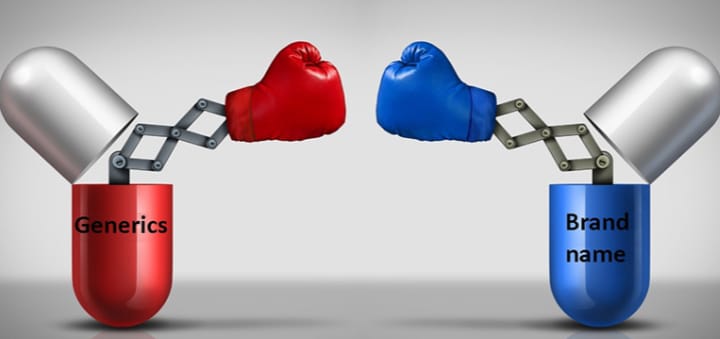
Generic medicines are generally cheaper and are considered equivalent in effect to brand-name versions.
Brand Name
The brand name is the commercial name given to a drug by a pharmaceutical company for marketing purposes. The same generic drug can be sold under different brand names depending on the producer.
For example, paracetamol may be sold as Panadol, Tylenol, or Calpol, while ibuprofen may be known as Advil or Brufen.
Brand-name medicines are often more expensive due to the costs of research, development, and marketing, even though they contain the same active ingredient as generic versions.
Differences Between the Three Names
Chemical names are detailed scientific descriptions mainly used in research settings. Generic names are standardized and used in medical practice worldwide. Brand names are created for commercial identification and can differ between companies and countries.
Unlike chemical and generic names, brand names vary widely even when the active ingredient is the same.
Importance of Understanding Drug Names
Understanding these naming systems helps prevent medication errors and ensures proper identification of drugs. It also helps patients make informed choices, especially when deciding between cheaper generic options and more expensive brand-name drugs.
Conclusion
Drugs are known by chemical, generic, and brand names, each serving a distinct purpose. Chemical names describe structure, generic names provide a standard medical identity, and brand names are used for marketing. Recognizing these differences supports safer, clearer, and more cost-effective use of medications.