


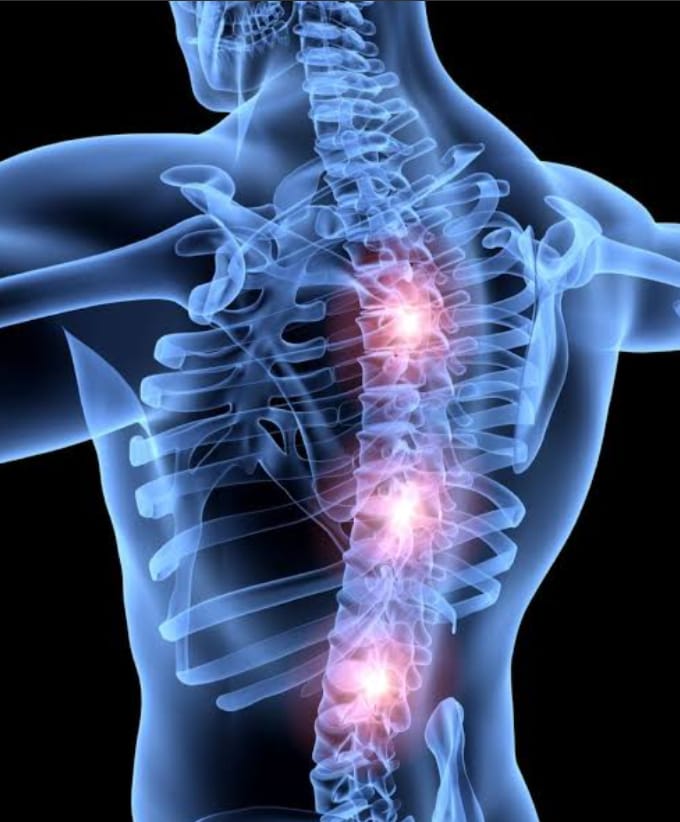
A DEXA scan (Dual-Energy X-ray Absorptiometry) is a simple, highly accurate test used to measure bone strength. It helps identify bone loss early and assess the risk of fractures, particularly conditions like osteoporosis.
Knowing how to interpret your bone density score can give you a clearer picture of your skeletal health and future fracture risk.
What Is a DEXA Scan?
A DEXA scan uses very low-dose X-rays to measure the amount of mineral—mainly calcium—present in your bones. Higher mineral content generally means stronger bones.
The scan usually focuses on:
- The spine
- The hip
- Sometimes the forearm
These areas are commonly checked because they are more vulnerable to fractures.
Why Bone Density Is Important
Bones are constantly being broken down and rebuilt. As people age, bone loss can begin to exceed bone formation, leading to weaker bones over time.
Low bone density increases the likelihood of fractures, especially in key areas like the spine, hips, and wrists. When bone loss becomes severe, it can lead to osteoporosis.
How to Interpret DEXA Scores
Results from a DEXA scan are typically given in two main forms:
1. T-Score
The T-score compares your bone density with that of a healthy young adult.
- +1 to -1 → Normal bone strength
- -1 to -2.5 → Low bone mass (osteopenia)
- -2.5 or below → Osteoporosis
Lower scores indicate weaker bones and a higher risk of fractures.
2. Z-Score
The Z-score compares your bone density with others of the same age, gender, and body size.
- A score around 0 is considered average
- A score below -2.0 may suggest an underlying issue affecting bone health
Z-scores are especially useful for younger individuals and those outside the typical screening age range.
What Leads to Low Bone Density?
Several factors can contribute to weaker bones, such as:
- Advancing age
- Hormonal changes (lower estrogen or testosterone levels)
- Inadequate calcium and vitamin D intake
- Lack of physical activity
- Smoking and heavy alcohol use
- Certain diseases or long-term medications
What If Your Results Are Low?
If your scan shows reduced bone density, doctors may recommend:
- Improving diet with more calcium and vitamin D
- Regular weight-bearing exercises like walking or resistance training
- Lifestyle adjustments such as quitting smoking
- Medications in more serious cases
Early intervention can help slow bone loss and reduce fracture risk.
Who Needs a DEXA Scan?
A scan is commonly advised for:
- Women aged 65 and older
- Men aged 70 and above
- Postmenopausal women with risk factors
- People who have experienced fractures
- Individuals on long-term steroid therapy
How Often Should It Be Repeated?
The frequency of testing depends on your results:
- Normal bone density: every 5–10 years
- Mild bone loss: every 2–5 years
- Osteoporosis: more frequent follow-up as recommended by a doctor
Conclusion
A DEXA scan is a valuable tool for assessing bone strength and detecting early signs of bone loss. By understanding your T-score and Z-score, you can better evaluate your fracture risk and overall bone health.
More importantly, it allows early action—helping prevent serious complications before they occur.