


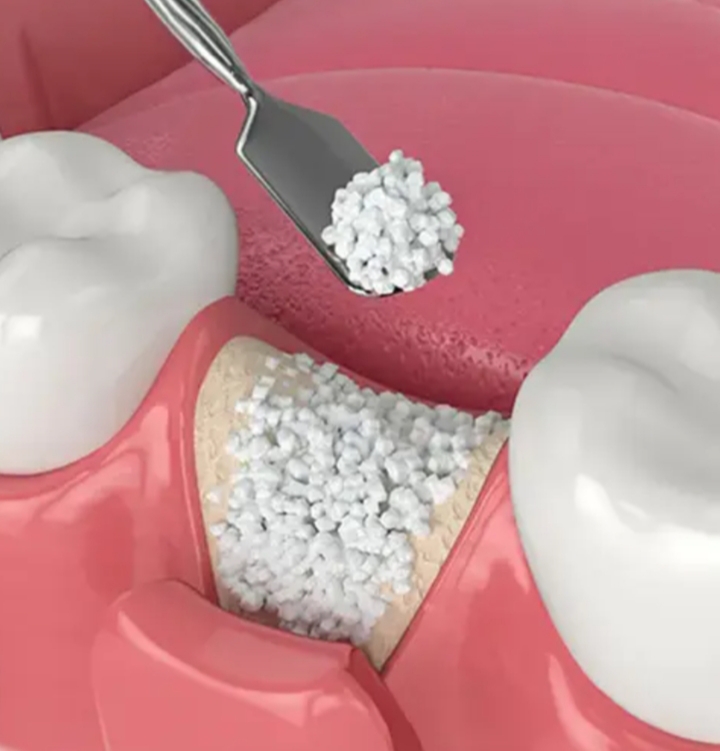
A bone graft is a surgical technique used to replace or rebuild damaged, missing, or weakened bone. It becomes necessary when the body cannot adequately repair bone tissue on its own.
Situations Where Bone Grafts Are Used
Bone grafting is commonly applied in the following cases:
1. Complex fractures or bone defects
When a bone is severely damaged or has a gap that will not heal naturally, a graft helps restore continuity and support healing.
2. Dental treatment
In dentistry, bone grafts are often required for:
- Supporting dental implants
- Rebuilding the jaw after tooth loss, injury, or infection
3. Spinal surgery
They are used in spinal fusion procedures to join vertebrae together and improve stability.
4. Bone disease or infection
When bone is weakened or destroyed by disease, grafts may be used after treatment to restore structure.
5. Surgical or traumatic bone loss
Accidents or removal of bone due to tumors can create defects that require reconstruction.
Purpose of Bone Grafts
Bone grafts are used for several important reasons:
1. Encourage new bone formation
They provide a framework that supports the growth of fresh bone tissue.
2. Strengthen weakened areas
Grafts help stabilize bone while it heals and rebuilds.
3. Enhance healing
They improve the speed and reliability of bone repair in difficult cases.
4. Support surgical procedures
In operations like implants or spinal fusion, grafts increase the likelihood of successful long-term results.
Common Types of Bone Grafts
- Autograft: Bone taken from the patient’s own body
- Allograft: Donor bone from another human source
- Synthetic graft: Artificial materials designed to promote bone growth
Conclusion
Bone grafts are used when natural bone healing is insufficient. They help restore structure, support recovery, and improve outcomes in medical and dental procedures involving bone loss or damage.