


Introduction
Scalp itching, dryness and flaking can be uncomfortable and frustrating, particularly when you have natural, relaxed, braided, loc’d or tightly coiled hair. Two conditions that can produce these symptoms are scalp psoriasis and eczema.
Although they can look alike, they are different skin conditions and may require different approaches to treatment. Understanding their typical characteristics can help you know when it may be time to seek professional advice.
For people with darker skin, identifying scalp psoriasis can sometimes be more difficult because inflammation may not appear bright red. It can instead look darker, purple, grayish or brown.
Understanding Scalp Psoriasis
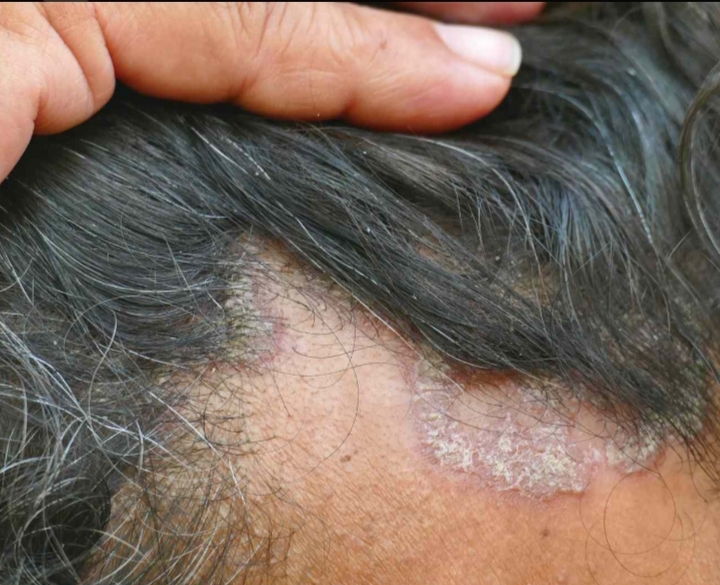
Psoriasis is a chronic inflammatory skin condition associated with an overactive immune response. When it affects the scalp, it can cause areas of thickened skin covered by noticeable scales.
Possible symptoms include:
Persistent itching
Thick, dry patches
Heavy scaling
White, gray or silvery-looking flakes
Irritation around the hairline
Scaling behind the ears
Symptoms extending onto the forehead or neck
On darker skin, psoriasis may have a purple, brown, gray or darker appearance rather than the bright-red appearance often shown in photographs of lighter skin.
Understanding Scalp Eczema
Eczema describes several inflammatory skin conditions. Atopic dermatitis is one form that can affect the scalp.
People with scalp eczema may experience:
Intense itching
Dryness
Flaking
Burning
Sensitive or irritated skin
Changes in skin color
Cracking or discomfort
Eczema can sometimes look very similar to psoriasis, so appearance alone may not be enough to determine which condition is present.
Key Differences Between Psoriasis and Eczema
Although there can be overlap, several characteristics may provide clues.
Characteristic Scalp Psoriasis Scalp Eczema
Scaling Often thick and prominent Usually finer and flaky
Itching Can be mild or intense Often particularly strong
Appearance on darker skin May look purple, gray, brown or darker May appear darker, lighter or inflamed
Patch borders Often clearly defined Frequently less distinct
Hairline involvement Can extend beyond the hairline May remain closer to the affected scalp
Burning Can occur May be more noticeable
Other affected areas Can involve nails, elbows, knees and other areas Often associated with generally dry or sensitive skin
These are general patterns rather than diagnostic rules. A healthcare professional is best placed to determine the actual cause.
Why Darker Skin Can Make Diagnosis More Challenging
Skin inflammation does not always look the same across different skin tones.
On Black or other darker skin, psoriasis may appear purple, gray, brown or darker than the surrounding skin rather than clearly red. This can make it easier to mistake the condition for dandruff or another scalp problem.
If you have persistent symptoms and are unsure what is causing them, consider consulting a dermatologist familiar with diagnosing conditions across a range of skin tones.
How Hair Care Can Influence Scalp Symptoms
Hair styling does not cause psoriasis or eczema, but some styling practices can make an already irritated scalp feel worse.
Very tight braids, cornrows, extensions and other hairstyles that place significant tension on the scalp can cause discomfort and contribute to hair damage. Excessive heat, scratching and harsh chemical treatments may also aggravate an irritated scalp.
A useful rule is simple: if a hairstyle causes significant pain or tightness, it should not be ignored.
Washing and Caring for Black Hair During a Flare
People with textured hair may not wash their hair as frequently as people with other hair types, particularly when wearing protective styles.
However, maintaining appropriate scalp hygiene remains important.
How often you wash should depend on your hair type, hairstyle, scalp condition and treatment plan. If you have been given a medicated shampoo, concentrate it on the scalp and follow the instructions provided.
Because tightly curled hair can be susceptible to dryness and breakage, gentle handling, conditioning and reduced manipulation can help protect the hair while the scalp is being managed.
Managing Scalp Psoriasis
Treatment for scalp psoriasis varies according to severity.
A healthcare professional may recommend medicated shampoos, products that loosen scales, topical medicines or other therapies.
Some nonprescription products can help control symptoms, but stronger or persistent cases may require prescription treatment.
It is important to avoid aggressively scraping or picking away thick scales because doing so can further irritate the scalp.
Managing Scalp Eczema
Treatment for scalp eczema depends on the specific type and severity.
Management may involve reducing inflammation and itching while identifying products or environmental factors that may be triggering symptoms.
Hair products can sometimes cause contact dermatitis. Shampoo, conditioner, fragrance, hair dye and other ingredients may irritate sensitive skin or cause an allergic reaction.
If symptoms consistently appear after using a particular product, discussing the reaction with a healthcare professional can help identify the cause.
Hair Styling During a Flare-Up
When your scalp is irritated, reducing additional stress on it can be helpful.
Consider:
Choosing looser hairstyles
Avoiding excessive pulling
Limiting high heat
Avoiding scratching and picking
Being cautious with chemical treatments
Keeping irritating products away from inflamed areas
Giving the scalp time to recover before applying demanding styles
Protective styles should protect the hair without placing excessive tension on the scalp.
What About Hair Loss?
Scalp inflammation does not always result in permanent hair loss, but severe irritation, repeated scratching and tight hairstyles can contribute to temporary shedding or breakage.
People with Black hair should also be aware of traction alopecia, a form of hair loss associated with repeated tension from hairstyles.
If you notice persistent thinning, broken hairs, receding edges or bald patches, professional evaluation can help determine the cause.
When Should You See a Dermatologist?
Professional advice is especially important when:
Itching becomes severe or persistent
Thick scales repeatedly return
Your scalp becomes painful
You experience burning or significant inflammation
You develop bald patches
Hair becomes noticeably thinner
Symptoms spread beyond the scalp
Products available without a prescription are not helping
Hair treatments repeatedly trigger irritation
You cannot determine whether the problem is psoriasis, eczema, dandruff or something else
A dermatologist can examine the scalp and hair and consider other affected areas of the body when making a diagnosis.
Conclusion
Scalp psoriasis and eczema can both produce itching, dryness, flaking and irritation, making them easy to confuse. For people with Black hair and darker skin, recognizing these conditions can sometimes be even more challenging because inflammation may appear differently.
Do not automatically assume that persistent scalp flakes are simply dandruff. Thick patches, recurring irritation, unusual changes in skin color, burning and hair loss can all be reasons to seek professional evaluation.
At the same time, caring for the hair gently can help prevent additional irritation. Avoid excessive tension, harsh chemicals and aggressive scratching, particularly when the scalp is already inflamed.
If scalp symptoms continue or you experience significant discomfort or hair loss, getting an accurate diagnosis is the best way to determine whether you are dealing with psoriasis, eczema or another condition.