


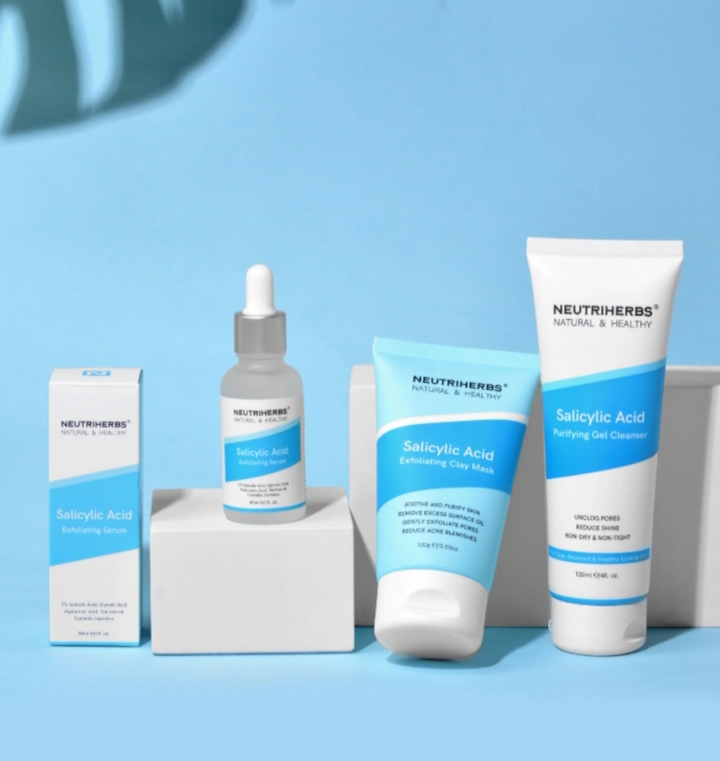
Acne is a widespread skin problem that affects people of different ages. It develops when excess oil, dead skin cells, and other substances block the pores of the skin. This can result in blackheads, whiteheads, pimples, and, in more serious cases, painful spots. Salicylic acid is one of the ingredients commonly used in skincare products to help manage acne and maintain clearer skin.
What Is Salicylic Acid?
Salicylic acid is a type of exfoliating ingredient used in many skincare and acne products. It helps remove dead skin cells and clear substances that accumulate inside pores. It can be found in products such as facial cleansers, creams, gels, lotions, pads, and spot treatments.
Because it helps keep pores open, salicylic acid is particularly useful for people whose acne is associated with clogged pores.
Benefits of Salicylic Acid for Acne
1. Clears Blocked Pores
A key benefit of salicylic acid is that it helps remove oil and dead skin cells that can accumulate inside pores. Keeping pores clear can reduce one of the major factors involved in the development of acne.
2. Helps Reduce Blackheads and Whiteheads
Salicylic acid is especially useful for treating comedonal acne, which includes blackheads and whiteheads. Its exfoliating action helps remove the buildup responsible for these types of blemishes and can help keep pores from becoming blocked.
3. Helps Reduce Future Breakouts
Using salicylic acid consistently and appropriately may help prevent dead skin cells and oil from building up in the pores. This can reduce the likelihood of developing new blemishes.
4. Removes Dead Skin Cells
Salicylic acid acts as a chemical exfoliant. Instead of relying on rough physical scrubbing, it helps loosen dead skin cells so they can be removed more easily. This may leave the skin feeling smoother and help prevent pore blockage.
5. Supports Clearer-Looking Skin
By helping to remove buildup and reduce clogged pores, salicylic acid can contribute to a smoother and clearer appearance. However, results vary from person to person, and it may take several weeks of consistent use to notice significant improvement.
How to Use Salicylic Acid
Salicylic acid is available in different concentrations and forms. Many over-the-counter acne products contain relatively low concentrations, commonly around 0.5% to 2%.
When starting a new salicylic acid product, follow the directions provided by the manufacturer. It is often sensible to begin gradually, especially if you have sensitive skin. Applying too much or using the product too frequently can lead to unnecessary irritation.
A simple skincare routine can include a gentle cleanser, salicylic acid treatment, moisturizer, and sunscreen during the day.
Possible Side Effects
Although salicylic acid can be beneficial, it may cause unwanted reactions in some people. Common problems include:
- Dryness
- Peeling
- Redness
- Mild burning or stinging
- Skin irritation
These effects are more likely if the product is used too frequently or combined with several other strong skincare ingredients.
If severe irritation develops, discontinue use and seek professional medical advice. Avoid getting salicylic acid products into the eyes, mouth, or other sensitive areas.
The Role of Moisturizer
Regular use of acne treatments can sometimes make the skin dry. Applying a suitable moisturizer can help maintain the skin’s protective barrier and improve comfort.
People with acne-prone skin should consider lightweight, non-comedogenic moisturizers that are less likely to contribute to clogged pores.
Who Can Benefit From Salicylic Acid?
Salicylic acid may be particularly helpful for people experiencing mild acne, blackheads, whiteheads, and clogged pores. However, not every type of acne responds equally well to it.
People experiencing severe, deep, or painful acne may need other treatments. Persistent acne can also lead to scarring, so professional medical advice may be necessary.
When Should You See a Dermatologist?
If acne continues despite consistent use of appropriate over-the-counter products, becomes painful or severe, or begins leaving scars, it is advisable to consult a dermatologist or other qualified healthcare professional.
A specialist can determine the type and severity of acne and recommend treatments that are more appropriate for the individual’s skin.
Be Consistent With Treatment
Acne treatments usually require patience. Applying a product once or twice may not produce an immediate change. Consistent use according to the product’s instructions is generally more important than using large amounts.
It may take several weeks to determine whether a particular treatment is helping. Changing products too frequently can also irritate the skin and make it difficult to know which treatment is actually working.
Conclusion
Salicylic acid is a popular and useful ingredient for managing acne, especially blackheads, whiteheads, and clogged pores. Its ability to exfoliate the skin and help remove pore-blocking substances makes it a valuable part of many acne-care routines.
However, it should be used carefully because excessive application can cause dryness and irritation. Combining appropriate use with gentle cleansing, moisturizing, and sun protection can help support healthier skin. For severe, persistent, or scarring acne, professional medical advice is recommended.