


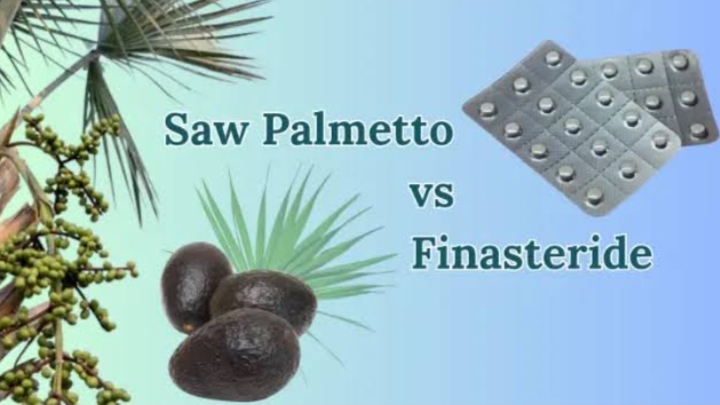
Hair loss affects millions of people worldwide, and one of the primary culprits is dihydrotestosterone (DHT). This hormone plays a key role in androgenetic alopecia, also known as male or female pattern hair loss. As a result, many people look for ways to reduce DHT levels or limit its effects on hair follicles.
Two common approaches are using natural DHT blockers and taking finasteride, a prescription medication. While both aim to address DHT-related hair loss, they differ significantly in effectiveness, evidence, and potential side effects.
What Is DHT?
DHT is a hormone produced when the enzyme 5-alpha reductase converts testosterone into dihydrotestosterone. In people with a genetic predisposition to pattern hair loss, DHT gradually shrinks hair follicles, causing hair to become thinner, shorter, and eventually stop growing.
Reducing the impact of DHT can help slow hair loss and, in some cases, encourage thicker hair growth.
What Is Finasteride?
Finasteride is a prescription medicine that works by blocking the type II 5-alpha reductase enzyme. This reduces the amount of DHT in the scalp and bloodstream, helping to protect hair follicles from further damage.
Clinical studies have shown that finasteride can:
Slow or stop hair loss in many men.
Increase hair density over time.
Promote regrowth in some users.
Produce the best results when taken consistently for several months.
Because it targets the underlying hormonal process, finasteride is considered one of the most effective treatments for male pattern baldness.
Natural DHT Blockers
Natural DHT blockers are foods, herbs, or supplements believed to reduce DHT production or lessen its effects on hair follicles. Although some have shown promising results in laboratory or small-scale studies, the evidence is generally less robust than that for prescription medications.
Popular natural options include:
Saw Palmetto
Saw palmetto is one of the most widely used natural DHT blockers. It may partially inhibit the 5-alpha reductase enzyme, although its effects are typically milder than those of finasteride.
Pumpkin Seed Oil
Pumpkin seed oil contains plant compounds that may support healthy hair growth. Some research suggests it could improve hair density, but larger studies are needed to confirm its effectiveness.
Green Tea
Green tea contains antioxidants and compounds that may influence hormone activity while supporting overall scalp health.
Stinging Nettle
Stinging nettle has traditionally been used toExtracts from pygeum bark are sometimes included in hair supplements because they may affect DHT metabolism, but research support prostate health and may have mild DHT-blocking properties, though high-quality evidence remains limited.
Pygeum Bark
Extracts from pygeum bark are sometimes included in hair supplements because they may affect DHT metabolism, but research on hair loss is still limited.
Comparing Natural DHT Blockers and Finasteride
Feature Natural DHT Blockers Finasteride
Prescription required No Yes
Scientific evidence Limited to moderate Strong
DHT reduction Mild Significant
Hair regrowth potential Modest Higher
Time to see results Several months Typically 3–6 months
Risk of side effects Usually lower, but varies Higher potential for medication-related side effects
Possible Side Effects
Finasteride is generally well tolerated, but some people experience side effects such as reduced libido, erectile dysfunction, changes in ejaculation, or breast tenderness. Although these effects are uncommon, they should be discussed with a healthcare professional before starting treatment.
Natural supplements are often perceived as safer, but they can still cause side effects or interact with medications. For example, some herbal supplements may affect blood clotting, blood pressure, or hormone levels. “Natural” does not always mean risk-free.
Which Option Is Right for You?
The best choice depends on your goals and individual circumstances.
Finasteride may be appropriate if:
You have confirmed male pattern hair loss.
You want a treatment supported by strong clinical evidence.
You’re comfortable using a prescription medication under medical supervision.
Natural DHT blockers may be worth considering if:
You prefer a non-prescription approach.
Your hair thinning is mild or in its early stages.
You understand that results may be less predictable and less pronounced.
Some people use natural supplements alongside other treatments, but you should consult a healthcare professional before combining therapies.
Can You Combine Treatments?
In some cases, healthcare providers may recommend combining treatments such as finasteride with topical minoxidil, or incorporating certain supplements as part of an overall hair-care plan. Any combination should be discussed with a qualified clinician to minimise the risk of interactions and ensure it is appropriate for your situation.
Final Thoughts
When it comes to reducing DHT-related hair loss, finasteride has the strongest scientific evidence and generally provides more consistent results than natural alternatives. However, it is a prescription medication with potential side effects that should be carefully considered.
Natural DHT blockers may appeal to those seeking a gentler approach, but current evidence suggests they are generally less effective than finasteride. Regardless of the treatment you choose, starting early and seeking advice from a healthcare professional can improve your chances of maintaining healthy hair over the long term.