


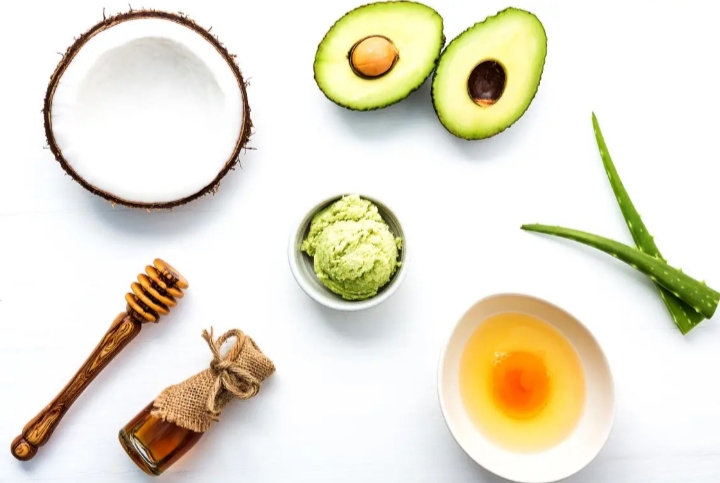
Healthy, glowing skin is influenced by more than just skincare products. Your diet, hydration, physical activity, and overall lifestyle all play important roles in maintaining a clear and radiant complexion. Exercise-induced sweating can benefit the skin in several ways, but if proper hygiene and nutrition are neglected, it may also contribute to breakouts. Understanding the relationship between diet, sweat, and skin health can help you achieve a balanced skincare routine from the inside out.
The Role of Diet in Skin Health
The skin reflects your overall health, and the nutrients you consume directly affect its appearance. A balanced diet supports collagen production, reduces inflammation, and protects the skin from environmental damage.
Key nutrients for glowing skin include:
Vitamin C: Supports collagen formation and helps repair damaged skin. Found in oranges, strawberries, bell peppers, and kiwi.
Vitamin E: Protects skin cells from oxidative stress. Found in almonds, sunflower seeds, spinach, and avocados.
Omega-3 Fatty Acids: Reduce inflammation and help maintain the skin’s natural moisture barrier. Found in salmon, sardines, walnuts, and flaxseeds.
Zinc: Aids wound healing and helps regulate oil production. Found in pumpkin seeds, beans, seafood, and lean meat.
Vitamin A: Promotes healthy skin cell turnover. Found in carrots, sweet potatoes, and leafy green vegetables.
Water: Proper hydration keeps the skin supple, supports elasticity, and helps maintain a healthy complexion.
Sweat: How It Benefits Your Skin
Sweating is the body’s natural cooling mechanism, especially during exercise. While sweat itself does not “detoxify” the skin, it offers several indirect benefits when paired with good hygiene.
- Improves Blood Circulation
Exercise increases blood flow, delivering oxygen and nutrients to skin cells while supporting the removal of metabolic waste. This improved circulation often gives the skin a healthy, natural glow.
- Helps Clear Pores
Sweating can help loosen dirt, oil, and dead skin cells trapped near the surface of the skin. Washing your face soon after exercising helps remove these impurities before they clog pores.
- Reduces Stress
Regular physical activity lowers stress levels, which may reduce stress-related skin conditions such as acne flare-ups or eczema in some individuals.
- Supports Overall Health
Exercise contributes to better sleep, hormone balance, and cardiovascular health, all of which positively influence skin appearance.
When Sweat Can Lead to Breakouts
Sweat itself does not cause acne. However, when it mixes with excess oil, bacteria, dead skin cells, or makeup and remains on the skin for long periods, it can contribute to clogged pores and breakouts.
Factors that increase the risk include:
Wearing sweaty clothing for extended periods.
Exercising with heavy makeup on.
Touching the face with unwashed hands.
Using dirty towels or workout equipment.
Failing to cleanse the skin after exercise.
People with oily or acne-prone skin may notice more breakouts if these habits are not addressed.
Foods That Promote Glowing Skin
Include these skin-friendly foods in your diet:
Fresh fruits rich in antioxidants.
Leafy green vegetables.
Fatty fish rich in omega-3 fatty acids.
Nuts and seeds.
Whole grains.
Legumes.
Yogurt and other probiotic-rich foods.
Green tea, which contains antioxidant compounds.
These foods help combat inflammation, support collagen production, and promote healthy skin.
Foods That May Trigger Breakouts
Some people find that certain foods worsen acne, although triggers vary from person to person. Potential contributors include:
Sugary snacks and beverages.
Highly processed foods.
Refined carbohydrates such as white bread and pastries.
Excessive consumption of dairy products in susceptible individuals.
Fried and greasy foods.
Maintaining a balanced diet is generally more beneficial than eliminating entire food groups without medical advice.
Tips for Healthy Skin After Exercise
To enjoy the benefits of sweating while minimizing breakouts:
Remove makeup before exercising.
Wash your face with a gentle cleanser after workouts.
Shower promptly after heavy sweating.
Wear clean, breathable workout clothing.
Stay hydrated before, during, and after exercise.
Avoid touching your face unnecessarily.
Moisturize after cleansing to maintain the skin barrier.
Conclusion
Glowing skin is the result of consistent healthy habits rather than a single product or treatment. A nutrient-rich diet, regular exercise, adequate hydration, and proper skincare work together to support a clear, healthy complexion. While sweating during exercise promotes circulation and overall well-being, good hygiene is essential to prevent clogged pores and breakouts. By balancing nutritious eating with proper post-workout skincare, you can enjoy the benefits of exercise while keeping your skin healthy and radiant.