


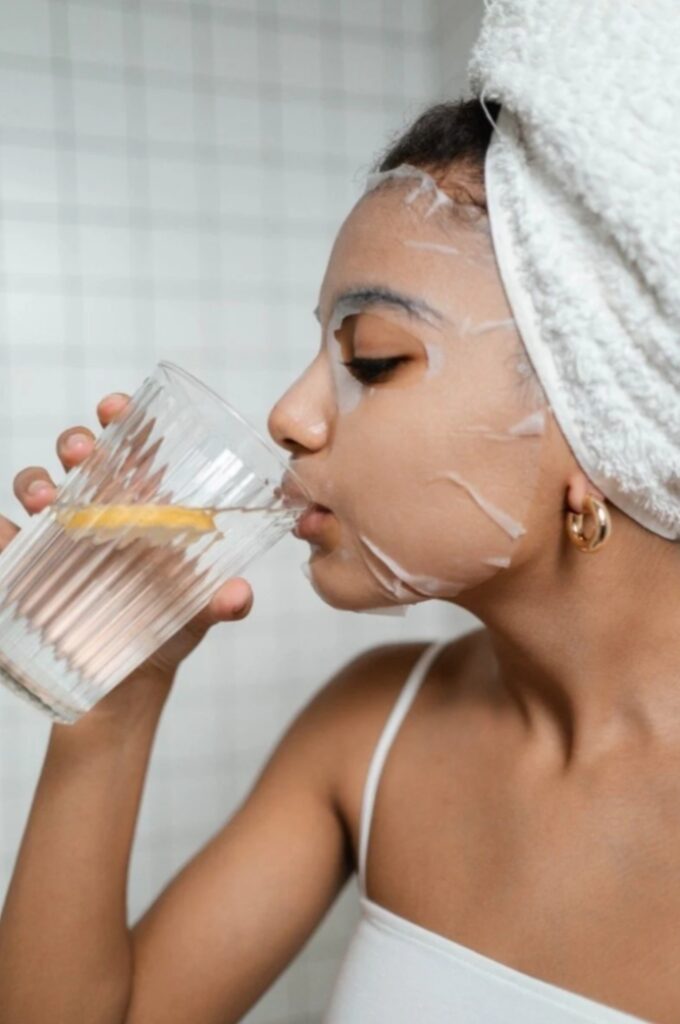
Water is vital for nearly every function in the body, including the maintenance of healthy skin. Although drinking water is not a guaranteed solution for all skin concerns, staying properly hydrated can contribute to a fresher, healthier complexion and support the skin’s natural functions.
Why Hydration Matters for the Skin
The skin relies on adequate moisture to remain soft, flexible, and effective as a protective barrier. When the body receives enough fluids, skin cells can function more efficiently, helping the skin maintain its natural appearance and resilience.
Dehydration, on the other hand, may affect the skin’s texture and overall appearance.
Healthier-Looking Skin
One of the primary benefits of proper hydration is improved skin appearance. Skin that is adequately hydrated often looks smoother and more refreshed.
When the body lacks sufficient fluids, the skin may appear:
Dry
Dull
Rough
Less vibrant
Maintaining good hydration can help support a healthier and more radiant complexion.
Supports Skin Elasticity
Hydration contributes to skin elasticity, which is the skin’s ability to stretch and return to its normal shape. Well-hydrated skin may appear firmer and more supple, while dehydration can make fine lines and dryness more noticeable.
Although water alone cannot prevent aging, it can help the skin maintain a healthier appearance.
Aids Natural Skin Processes
The skin continuously repairs and renews itself. Proper hydration helps support these processes by assisting with nutrient delivery and overall cellular function.
When the body is adequately hydrated, the skin is generally better equipped to maintain its protective and regenerative functions.
Helps Combat Dryness
Dry skin can result from a variety of factors, including environmental conditions, excessive sun exposure, and inadequate fluid intake. Drinking enough water can help the body maintain its moisture balance and reduce the likelihood of dehydration-related dryness.
However, external moisturizers may still be necessary to protect the skin’s outer layer.
Hydration and Common Skin Concerns
While staying hydrated is beneficial, it should not be viewed as a cure for skin disorders such as acne, eczema, or psoriasis. These conditions often require targeted treatments and professional guidance.
Nevertheless, proper hydration can support overall skin wellness and complement a healthy skincare routine.
Other Factors That Influence Skin Health
Skin condition is affected by many elements beyond water intake, including:
Nutrition
Genetics
Sleep quality
Stress levels
Sun exposure
Skincare habits
Environmental factors
For optimal skin health, hydration should be part of a broader healthy lifestyle.
Maintaining Adequate Hydration
Fluid requirements vary from person to person depending on factors such as age, activity level, and climate. Rather than following a strict rule, individuals can monitor signs of proper hydration, including:
Light-colored urine
Consistent energy levels
Reduced thirst
Regular fluid intake throughout the day
Foods with high water content, such as fruits and vegetables, can also contribute to hydration.
Practical Ways to Stay Hydrated
Simple habits can help maintain adequate hydration:
Keep water nearby throughout the day.
Drink fluids regularly instead of waiting until you’re thirsty.
Increase water intake during exercise or hot weather.
Eat water-rich foods.
Balance consumption of beverages that may contribute to dehydration.
Conclusion
Proper hydration plays an important role in supporting healthy skin. While water alone cannot eliminate all skin problems, it can help improve moisture levels, support elasticity, and contribute to a more vibrant appearance.
Combined with good nutrition, consistent skincare, sufficient sleep, and sun protection, staying hydrated is an effective and accessible way to promote long-term skin health.