


Introduction
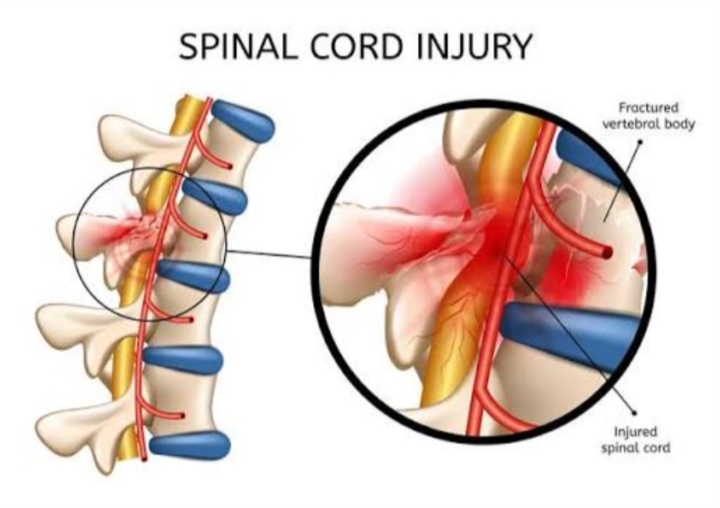
A spinal cord injury (SCI) is damage to the spinal cord that can affect movement, sensation, and bodily functions below the site of the injury. The severity of the condition depends on the location and extent of the damage. Spinal cord injuries can result from trauma, disease, or other medical conditions and often require immediate medical attention and long-term rehabilitation.
Understanding the basics of spinal cord injury is essential for recognizing its impact, treatment options, and recovery potential.
What Is the Spinal Cord?
The spinal cord is a bundle of nerves that extends from the brain down through the spine. It serves as the main communication pathway between the brain and the rest of the body, transmitting signals that control movement, sensation, and various bodily functions.
When the spinal cord is injured, these signals may be partially or completely disrupted.
Causes of Spinal Cord Injury
Spinal cord injuries can occur due to traumatic or non-traumatic causes.
Traumatic Causes
Common traumatic causes include:
- Road traffic accidents
- Falls
- Sports injuries
- Violence or physical assault
- Workplace accidents
Non-Traumatic Causes
Non-traumatic injuries may result from:
- Infections
- Tumors
- Degenerative spinal conditions
- Vascular disorders
- Certain inflammatory diseases
Types of Spinal Cord Injury
Complete Injury
A complete spinal cord injury results in a total loss of sensation and motor function below the level of injury.
Incomplete Injury
An incomplete injury allows some movement or sensation to remain below the injured area. Recovery potential is often greater in incomplete injuries.
Levels of Injury
The effects of a spinal cord injury depend largely on where the damage occurs.
Cervical Injuries
These occur in the neck region and may affect the arms, hands, trunk, and legs. Severe cervical injuries can impact breathing and require ventilatory support.
Thoracic Injuries
These affect the chest and upper back region, often impacting trunk control and leg function.
Lumbar Injuries
Lumbar injuries primarily affect the hips and legs while usually preserving arm and hand function.
Sacral Injuries
These injuries may affect the hips, thighs, bowel, bladder, and sexual function.
Common Symptoms
Symptoms vary according to the location and severity of the injury but may include:
- Loss of movement
- Reduced or absent sensation
- Muscle weakness
- Difficulty breathing
- Loss of bladder or bowel control
- Changes in sexual function
- Chronic pain
- Muscle spasms
Emergency Response
A suspected spinal cord injury should always be treated as a medical emergency.
Important steps include:
- Avoid moving the injured person unnecessarily
- Stabilize the head and neck if possible
- Call emergency medical services immediately
- Follow instructions from trained responders
Improper handling can worsen the injury.
Diagnosis
Healthcare providers may use several methods to evaluate a spinal cord injury, including:
- Physical examination
- Neurological assessment
- X-rays
- CT scans
- MRI scans
These tests help determine the location and extent of damage.
Treatment Options
Treatment depends on the nature of the injury and may involve:
Emergency Care
Immediate stabilization and management of breathing, circulation, and spinal alignment.
Surgery
Some patients may require surgery to relieve pressure on the spinal cord or stabilize the spine.
Rehabilitation
Rehabilitation often includes:
- Physical therapy
- Occupational therapy
- Mobility training
- Assistive devices
- Psychological support
Rehabilitation plays a critical role in maximizing independence and quality of life.
Living With a Spinal Cord Injury
Many individuals with spinal cord injuries lead active and fulfilling lives. Advances in medical care, rehabilitation, assistive technology, and community support have improved outcomes significantly.
Successful long-term management often involves:
- Ongoing medical follow-up
- Exercise and physical conditioning
- Prevention of complications
- Emotional and social support
- Adaptive equipment and accessibility solutions
Conclusion
A spinal cord injury can have life-changing effects, but early treatment, proper rehabilitation, and strong support systems can make a significant difference in recovery and quality of life. Understanding the causes, symptoms, and treatment options helps patients, families, and caregivers navigate the challenges associated with this condition and work toward the best possible outcomes.